
 en
en русский
 Español
 عربى
عربى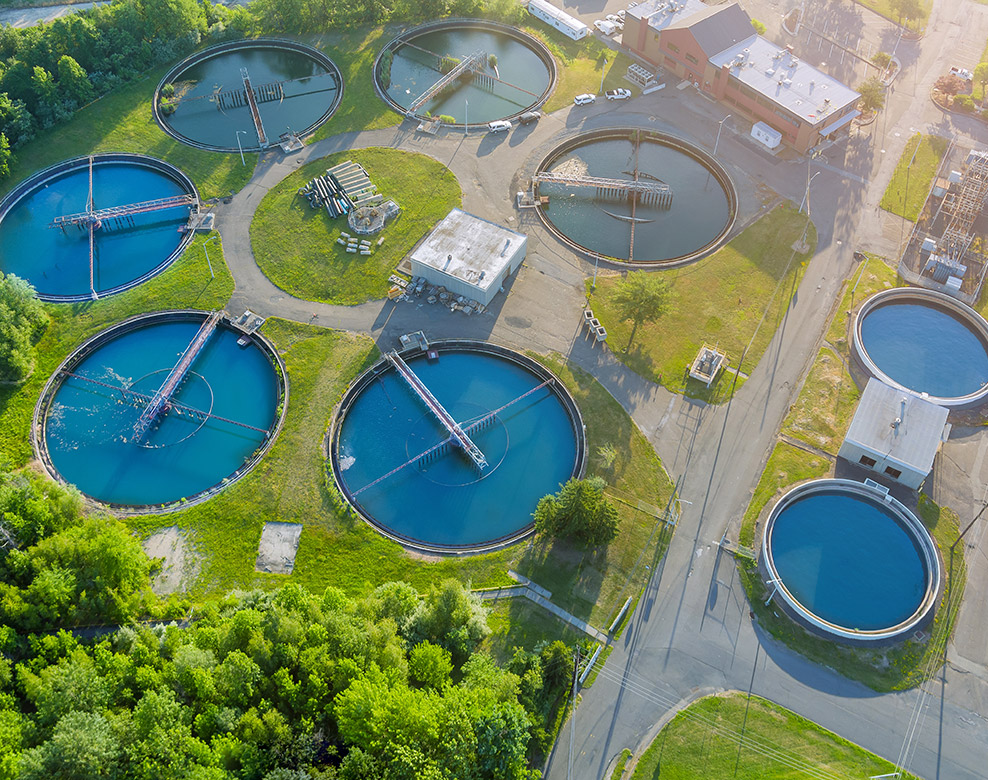
Oxygen and Nitrogen in Wastewater and Waste Gas Treatment: A Two-Duty Problem, Not One
Most treatment plants are actually running two separate gas duties in parallel — aerobic and anaerobic — and they fail differently when supply is unreliable.
A wastewater or waste gas treatment plant rarely has one uniform gas requirement. It typically runs aerobic and anaerobic processes side by side, each depending on the opposite condition — one needs oxygen, the other needs its absence — and each has its own failure mode when gas supply becomes unreliable. Treating them as a single "plant gas requirement" during procurement is where specification mistakes tend to start.
The Two Duties, Broken Down
- Aerobic Treatment — Needs Continuous Oxygen
- Biological aeration of aerobic tanks, aerobic sludge digestion, and oxidative treatment of waste gas all depend on microorganisms that require a steady, adequately dissolved oxygen supply to break down organic pollutants. When oxygen delivery is inconsistent, degradation slows and effluent quality becomes harder to hold within discharge limits.
- Anaerobic Treatment — Needs the Opposite: a Low-Oxygen Atmosphere
- Anaerobic tanks depend on excluding oxygen from the headspace to protect the anaerobic microbial process. Here, nitrogen is used not to feed a reaction but to displace air and maintain that low-oxygen condition — a subtle but important distinction from the oxygen side of the plant.
- Explosion-Proof Purging — A Safety Duty, Separate From Both
- Wastewater regulation tanks and sludge systems can accumulate combustible gases such as methane. Nitrogen purging before maintenance or hot work is a standard safety measure here, independent of whether the tank itself runs aerobic or anaerobic.
What Actually Goes Wrong Without Reliable Gas Supply
Before Specifying a System, It's Worth Asking
- Can oxygen output flex upward during peak organic loading, rather than being fixed at an average design flow?
- Is nitrogen available immediately when a tank needs explosion-proof purging before maintenance, rather than dependent on cylinder stock on site?
- Are the aerobic and anaerobic sides of the plant being sized as separate duties, or lumped into one generic "gas supply" line item?
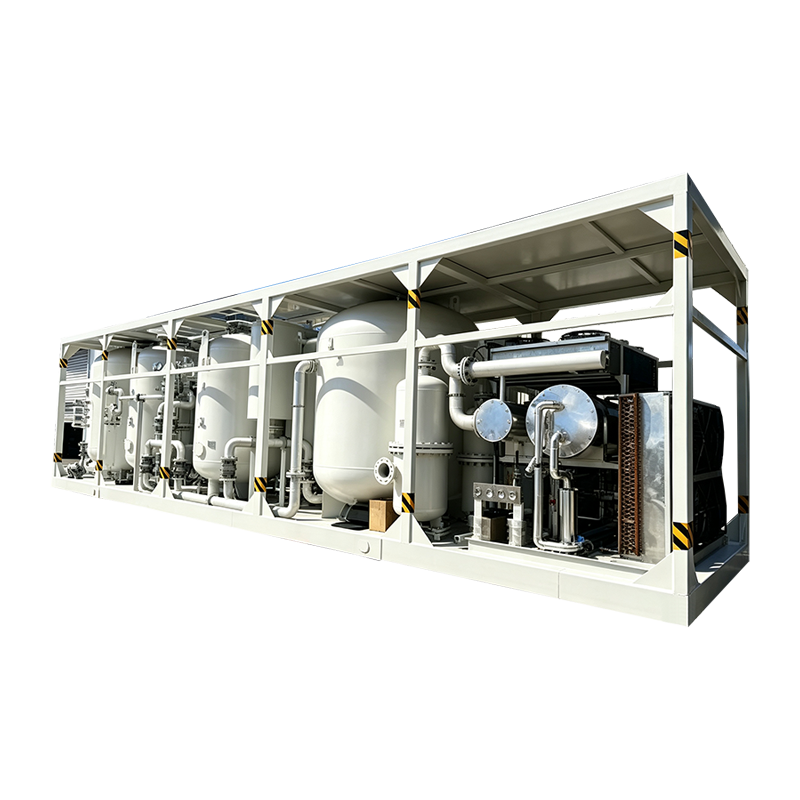
Because aerobic and anaerobic duties call for different equipment sizing logic, Zhejiang Baiao Gas Equipment Co., Ltd. configures on-site oxygen and nitrogen systems around each duty separately rather than a single shared output. For treatment plants that also need explosion-proof purging on a recurring maintenance schedule, our air separation units are sized with that intermittent, safety-critical demand in mind, in addition to continuous aeration duty.
FAQ
Why does an aerobic tank need more than just "enough" oxygen on average?
Organic loading fluctuates with inflow — for example after heavy rainfall — and a system sized only for average demand can fall short exactly when treatment performance matters most.
Is nitrogen only used for anaerobic tanks?
No — nitrogen also serves a separate, safety-driven purpose: explosion-proof purging of regulation and sludge tanks, independent of whether that tank's process is aerobic or anaerobic.
Should aerobic and anaerobic gas supply be quoted as one system or two?
Because each duty has a different purity, continuity and even opposite gas requirement, they are generally engineered as separate configurations rather than one shared output — worth confirming during specification.
What's the advantage of on-site generation specifically for treatment plants?
It ties gas availability to the plant's actual process demand rather than a delivery schedule, which matters most during load peaks when purchased gas logistics can't respond in time.
See the full application breakdown for this sector on our environmental protection application page.
