
 en
en русский
 Español
 عربى
عربى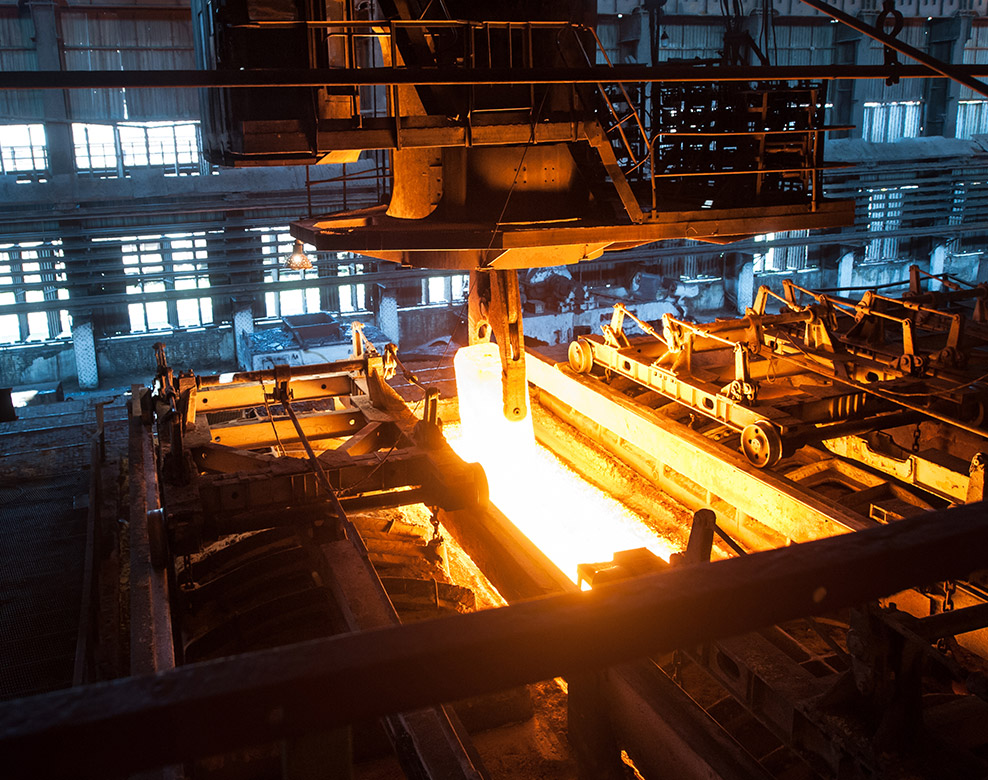
Oxygen Enrichment Across Iron, Steel and Non-Ferrous Metallurgy: A Route-by-Route View
The same principle — adding oxygen to intensify combustion — plays out differently depending on which furnace and which metal is involved.
Oxygen enrichment is one of the oldest and most consistently applied techniques in metallurgy, but it is not a single, uniform application. The furnace type, the metal being processed, and the stage of production all change what oxygen is actually doing in the process. Below is a route-by-route look at where it applies.
Where Oxygen Enrichment Applies, Furnace by Furnace
Blast Furnace Ironmaking
Enriching the blast air with additional oxygen is a long-established practice in blast furnace operation. It raises combustion intensity in the lower furnace, which is generally associated with improved smelting efficiency for a given burden composition.
Basic Oxygen Furnace (BOF) Steelmaking
BOF steelmaking depends directly on a high-purity oxygen blow to oxidize carbon and other impurities out of molten iron, converting it into steel — oxygen here is not a supporting input but the core process reagent.
Electric Arc Furnace (EAF) Steelmaking
EAF operations commonly use oxygen injection to support combustion of auxiliary fuel and accelerate scrap melting, complementing the electrical energy that otherwise drives the furnace.
Non-Ferrous Smelting & Converting
Copper, lead, zinc, nickel and other non-ferrous smelting and converting operations commonly use oxygen-enriched combustion to increase furnace throughput per unit of fuel and reduce the volume of flue gas generated per unit of metal produced.
Two Considerations That Often Get Overlooked
Flue Gas Volume, Not Just Output
Oxygen enrichment's benefit to non-ferrous smelting is usually framed around output, but the flue gas volume reduction it brings is equally relevant where downstream gas handling or environmental compliance capacity is a constraint on the plant.
Downstream Steel Processing Still Needs Gas Too
Beyond primary smelting, oxygen is used for flame cutting and welding of steel, while nitrogen commonly serves as a protective or purging gas in metal annealing, sintering and heat treatment to prevent surface oxidation — a gas requirement that is easy to underestimate when procurement focuses only on the furnace itself.
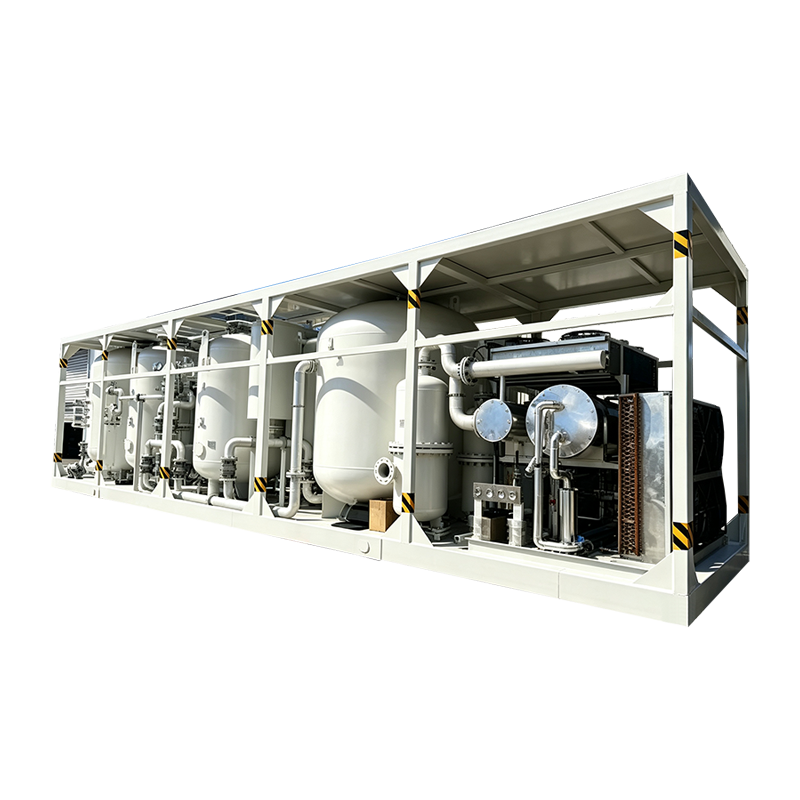
Because oxygen demand in a metallurgical plant spans primary smelting, converting and downstream processing at different purities and continuity requirements, Zhejiang Baiao Gas Equipment Co., Ltd.'s air separation units are engineered to cover this full range from a single facility, rather than requiring separate systems for the furnace and for downstream processing.
FAQ
Q: Does oxygen enrichment work the same way in a blast furnace and a non-ferrous smelter?
No — in a blast furnace, oxygen intensifies combustion within an existing ironmaking reaction; in non-ferrous smelting, oxygen enrichment more directly increases throughput and reduces flue gas volume per unit of metal. The underlying principle is similar, but the operational goal differs.
Q: Is oxygen used differently in BOF versus EAF steelmaking?
Yes — in BOF steelmaking, oxygen is the core reagent that converts molten iron into steel by removing carbon and impurities. In EAF steelmaking, oxygen mainly supports auxiliary fuel combustion and speeds up scrap melting alongside electrical heating.
Q: Is downstream steel processing a meaningful gas consumer compared to the furnace itself?
It is a smaller share of total demand than primary smelting, but flame cutting, welding, annealing, sintering and heat treatment are recurring, ongoing consumers that are worth including in an overall plant gas supply specification rather than treating as negligible.
Q: Can one gas system serve both the furnace and downstream processing needs?
Yes, provided the system is sized to deliver different purities and continuity levels to each duty — primary smelting and converting typically require higher continuous volumes, while downstream processing tends to be more intermittent.
For a closer look at where these applications fit into a working plant, see our metallurgy application page.
