 en
en русский
 Español
 عربى
عربى
Product Series
Portable Rotary Screw Air Compressor Supplier
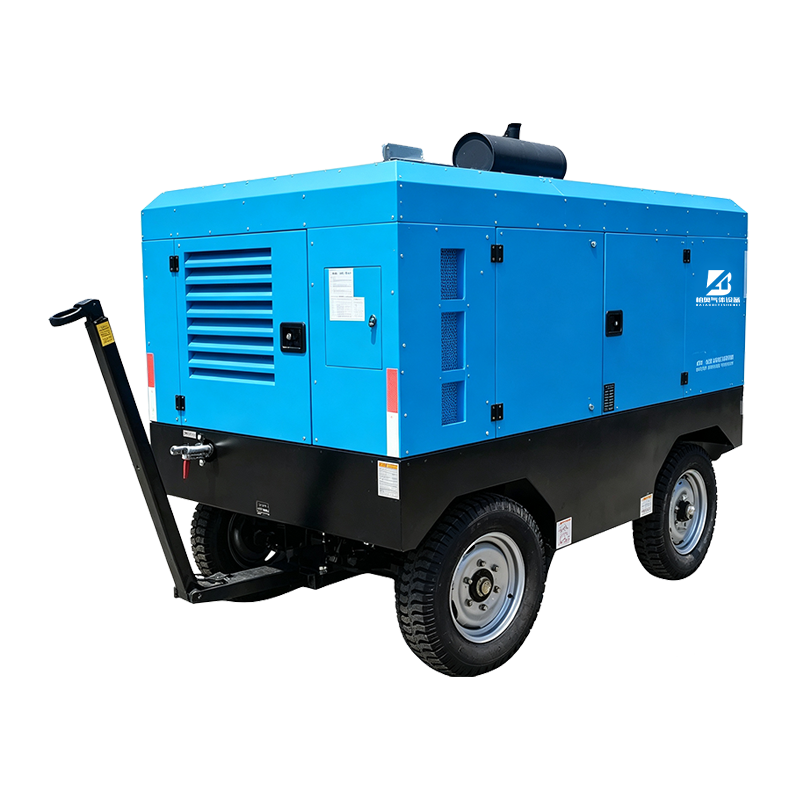
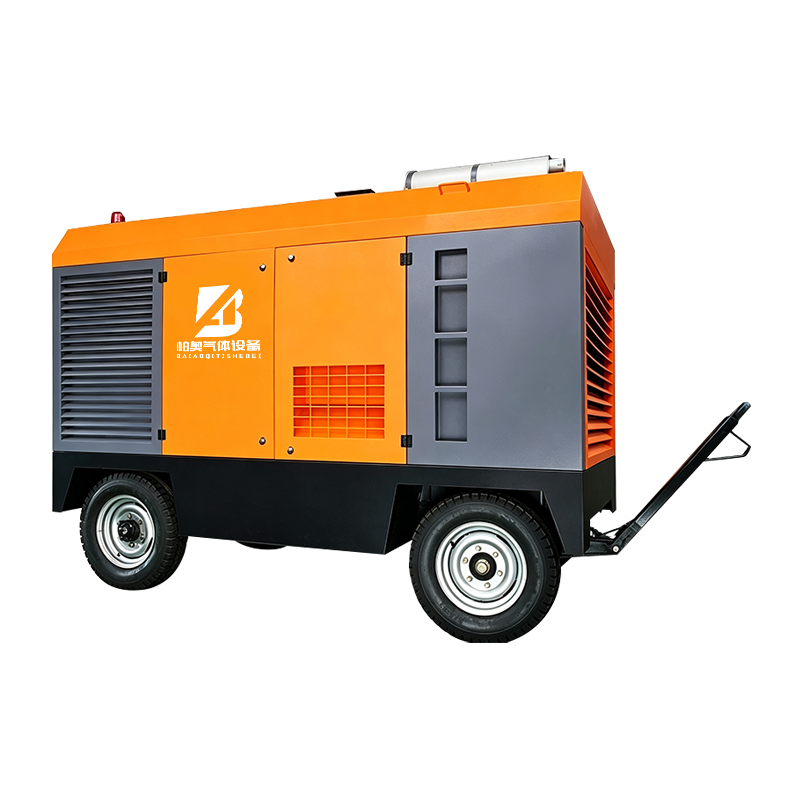
The flexible operating characteristics of portable rotary screw air compressors have earned them high praise from users. This series of models is equipped with a six-cylinder diesel engine manufactured by Dongfeng Cummins. Paired with Baiao's reverse air end, it greatly enhances reliability and economy, delivering outstanding comprehensive performance. It is widely applied in related fields such as hydropower, railways, road construction, mining, highways, shotcreting, oil and gas fields, water well drilling, municipal construction, and optical cable laying.
Zhejiang Baiao Gas Equipment Co., Ltd.
Zhejiang Baiao Gas Equipment Co., Ltd. is located in Fuyang District, Hangzhou, with convenient location and good transportation access. We are a gas equipment manufacturer integrating R&D, design, production, and installation. As Custom Portable Rotary Screw Air Compressors Supplier and China Portable Rotary Screw Air Compressor Factory, Our facility covers a 3,000 sqm standardized workshop, a 500 sqm office area, and a 500 sqm warehouse, along with employee living facilities. Our team is lean and professional, with dedicated R&D and after-sales service personnel to ensure stable production and reliable project execution.
Our main products include gas separation and purification equipment, such as PSA nitrogen generators, PSA oxygen generators, membrane separation nitrogen/oxygen generators, QH/QC series nitrogen purification units, and ammonia decomposition hydrogen purification units. Our products are developed based on overseas technologies and optimized for domestic industrial conditions, offering a relatively complete product range.
Our equipment is used in industries such as petrochemical, textile, food processing, automotive manufacturing, heat treatment, and SMT precision electronics. Our sales network covers more than 30 provinces and cities across China.
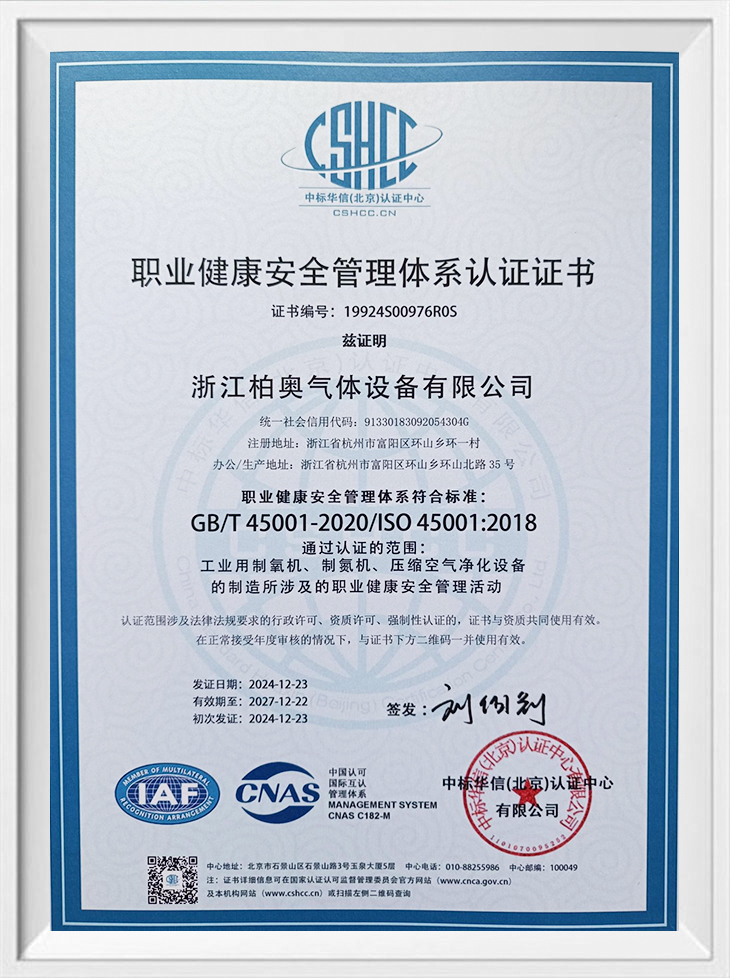
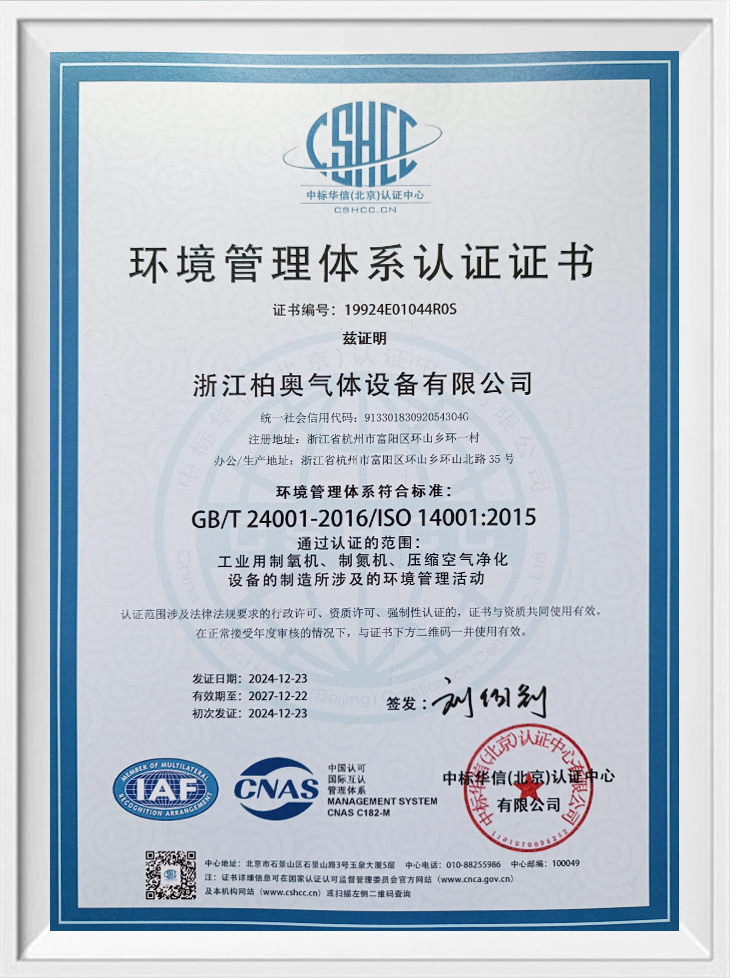
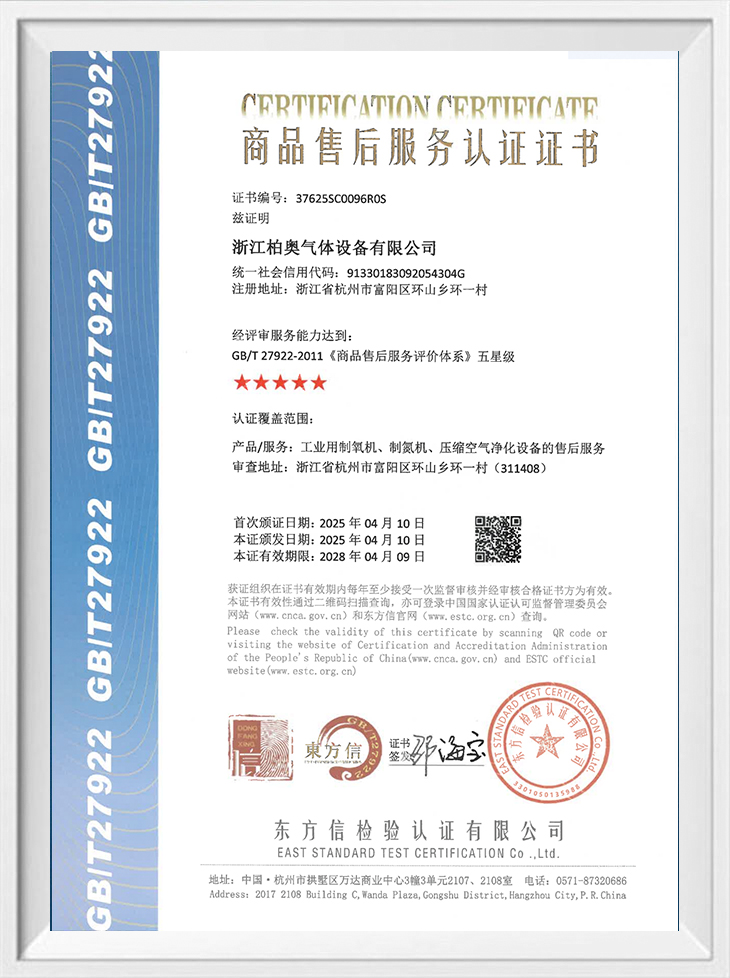
We focus on technical improvement, quality control, and integrity in business operations. Relying on our quality management system and sales service system, we provide stable gas equipment and supporting services to customers worldwide.
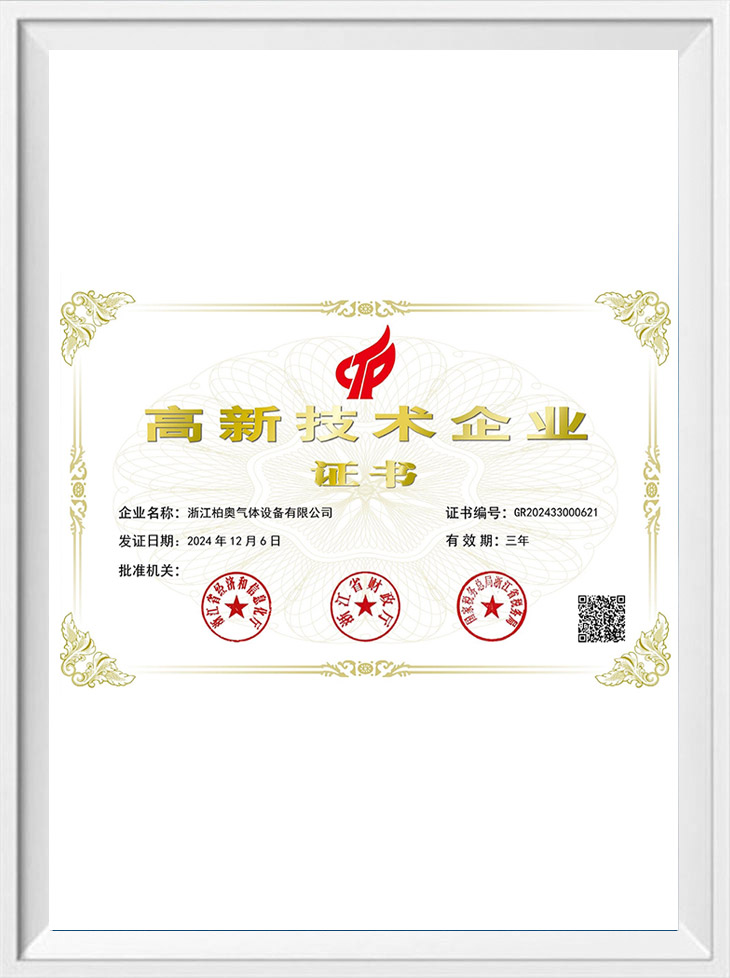
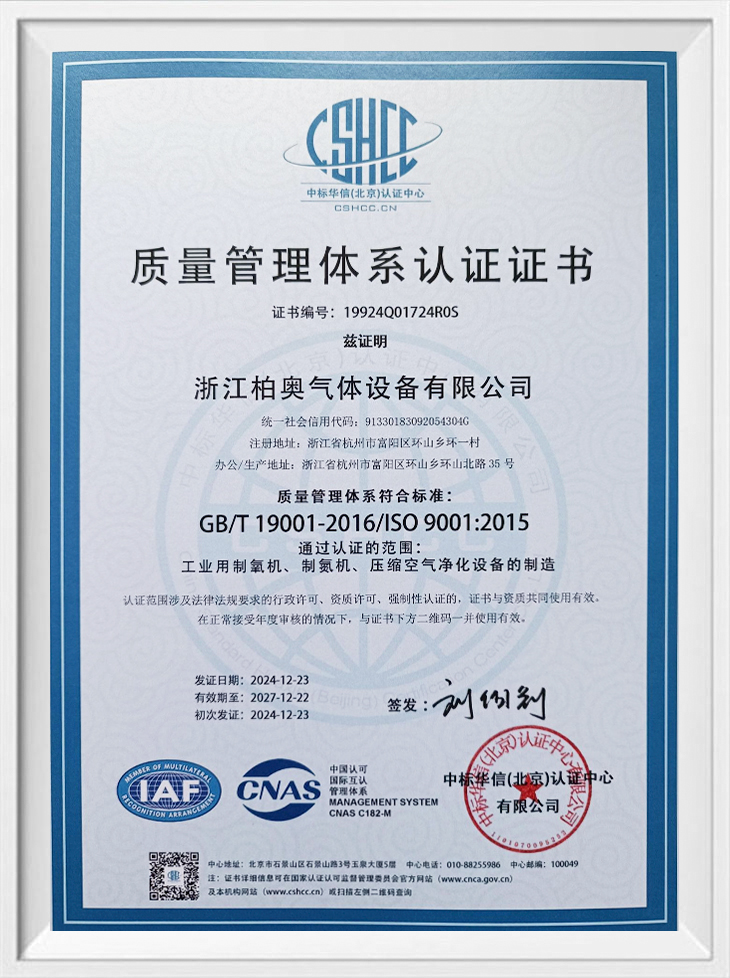
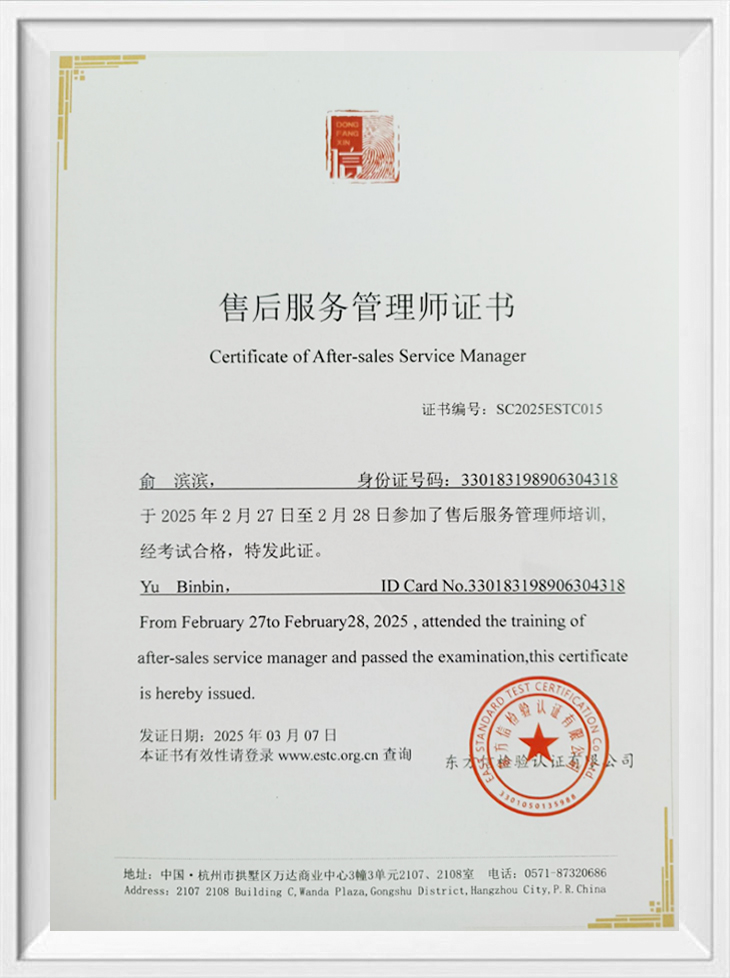
Certificate Of Honor
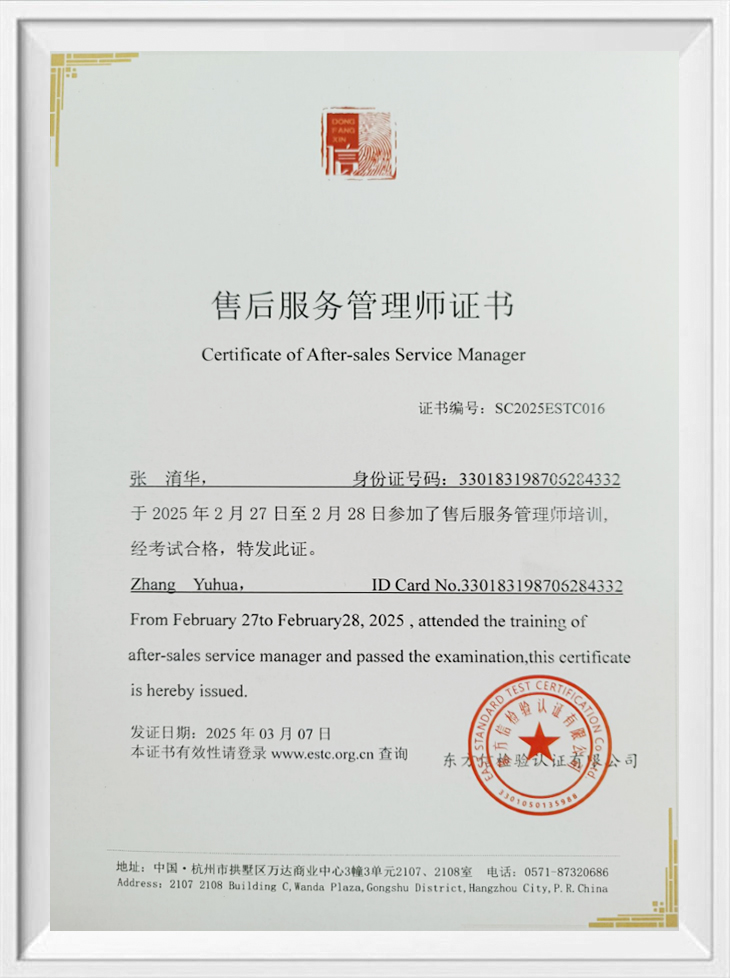
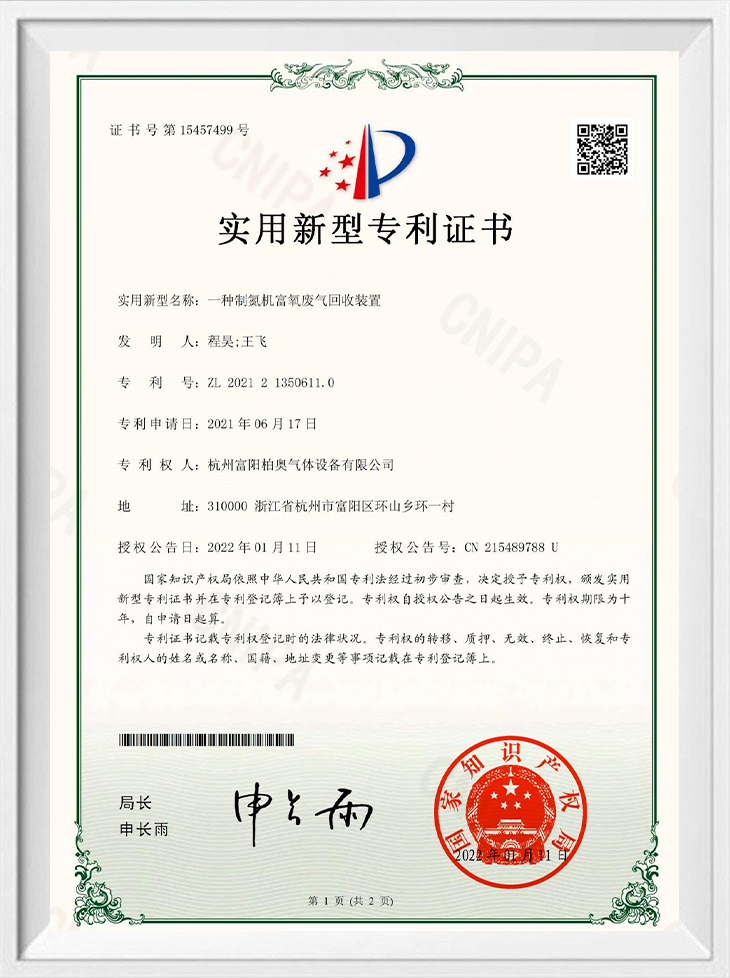
News & Insights
Stay updated with our latest developments and industry technology trends.
Message Feedback
Portable Air Compressor Industry knowledge
Specifying Portable Air Compressors for Industrial Sites
"Portable" here means diesel- or electric-driven rotary screw units built for construction, mining, and infrastructure job sites — not small garage-duty compressors. The sections below cover the decisions procurement and site engineering teams actually face when specifying this equipment.
Diesel or Electric: Matching the Power Source to the Job Site
A diesel portable compressor runs independently of any grid connection, which is why it is the default choice for the site types this range is actually used on — mining, road construction, pipeline and oil field work, water well drilling, and optical cable laying, where mains power is either unavailable or not yet installed. An electric portable unit is the better fit once a site has power access — municipal construction within city limits, or hydropower and railway projects with an on-site supply — since it avoids diesel fuel logistics and engine servicing where they aren't necessary.
For a procurement team specifying equipment across several sites, this is usually the first filter applied, before comparing flow rate or pressure: whether the site itself dictates diesel by default, or leaves both options genuinely open. It also affects total cost differently than the purchase price alone suggests — a diesel unit carries ongoing fuel consumption and engine maintenance intervals that an electric unit doesn't, while an electric unit carries a dependency on the site's power supply being reliable enough not to interrupt whatever the compressed air is feeding.
Why the Diesel Engine Brand Is a Procurement Question, Not Just a Spec
Zhejiang Baiao Gas Equipment Co., Ltd.'s diesel portable series is built around a six-cylinder Dongfeng Cummins engine. For fleet and site managers, the engine brand behind a portable compressor matters for a reason that rarely applies to fixed plant-room equipment: a portable unit is, by definition, working away from a home base, often at a remote mining or pipeline site with no local specialist for the compressor manufacturer's own components. A widely distributed engine brand means routine service parts and qualified diesel mechanics are more likely to already be available near the job site, rather than needing to be shipped in against the compressor brand alone.
This is worth confirming explicitly during procurement — asking not just "what's the flow rate and pressure" but "who services this engine locally, and how is that different from servicing the airend." A compressor brand can be excellent and still leave a fleet stranded on parts lead time if the engine behind it has no regional service presence at all.
Standard vs. High-Pressure (8–18 Bar) Portable Output
Most portable compressor demand on a construction or infrastructure site is for standard-pressure air driving pneumatic tools, breakers, and general site equipment. The 8–18 bar configuration exists for a narrower set of applications that need pressure well above that baseline directly from the portable unit itself — down-the-hole (DTH) drilling and some water well drilling methods are the clearest examples, where drilling performance depends on air pressure delivered at the drill bit, not just total flow.
Specifying the wrong pressure class for a drilling application is a common and costly mistake: a standard-pressure portable compressor simply cannot be boosted to DTH drilling pressures in the field, so this decision needs to be made against the drilling method itself, not assumed from whatever portable unit is already in a rental fleet.
Specifying Across a Fleet, Not Just One Unit
A contractor or equipment rental operator running several job sites is rarely buying one portable compressor in isolation. Standardizing on a single engine platform and a single airend design across a fleet reduces the spare-parts inventory a maintenance team has to carry, and lets one trained technician service units at multiple sites rather than needing model-specific expertise per unit. This is a different procurement question from choosing a single compressor for a single site, and it typically shifts the decision toward whichever configuration covers the widest range of the fleet's actual job types with the fewest distinct models.
It's also where diesel vs. electric mix matters at the fleet level: a fleet split between sites with and without grid power usually keeps both drive types on hand rather than standardizing on one, which is why Baiao's broader compressor range is worth reviewing alongside the portable series when specifying for mixed site conditions.
Frequently Asked Questions
Can Zhejiang Baiao Gas Equipment Co., Ltd. supply a custom portable compressor configuration, or only the two listed models?
Flow rate, pressure, and drive type are configured to the project rather than limited to the diesel and 8–18 bar electric models shown. Where a specific drilling method or a fixed fleet standard is involved, it's worth stating that requirement upfront so it can be matched during specification rather than after delivery.
Does Zhejiang Baiao Gas Equipment Co., Ltd. export portable compressors outside China?
Yes. Portable compressors are supplied alongside the company's other equipment lines to industrial and infrastructure customers outside China, in addition to its domestic sales network covering more than 30 provinces.
How does after-sales support work for a unit deployed at a remote job site?
Zhejiang Baiao Gas Equipment Co., Ltd. maintains dedicated R&D and after-sales personnel; for a remote or overseas deployment, it's worth confirming the specific regional service and parts arrangement at the enquiry stage, since practical coverage depends on the site's location rather than being uniform everywhere.
Zhejiang Baiao Gas Equipment Co., Ltd. builds its portable compressors around its own reverse air end paired with a Dongfeng Cummins diesel engine, and supplies both diesel and electric configurations to industrial and infrastructure customers across more than 30 provinces in China.
Get In Touch
Follow Us
Quick Links
Product Category
Contact Us
- Tel: +86-15057127179
+86-13588382771 - Email: huang.yifan0215@gmail.com
- Address: Huanshan Township, Fuyang District, Hangzhou City, Zhejiang Province
Copyright © Zhejiang Baiao Gas Equipment Co., Ltd. All Rights Reserved.
Privacy
Custom Portable Rotary Screw Air Compressors Supplier
China Portable Rotary Screw Air Compressor Factory
