 en
en русский
 Español
 عربى
عربى
Product Series
Gas Equipment Solutions
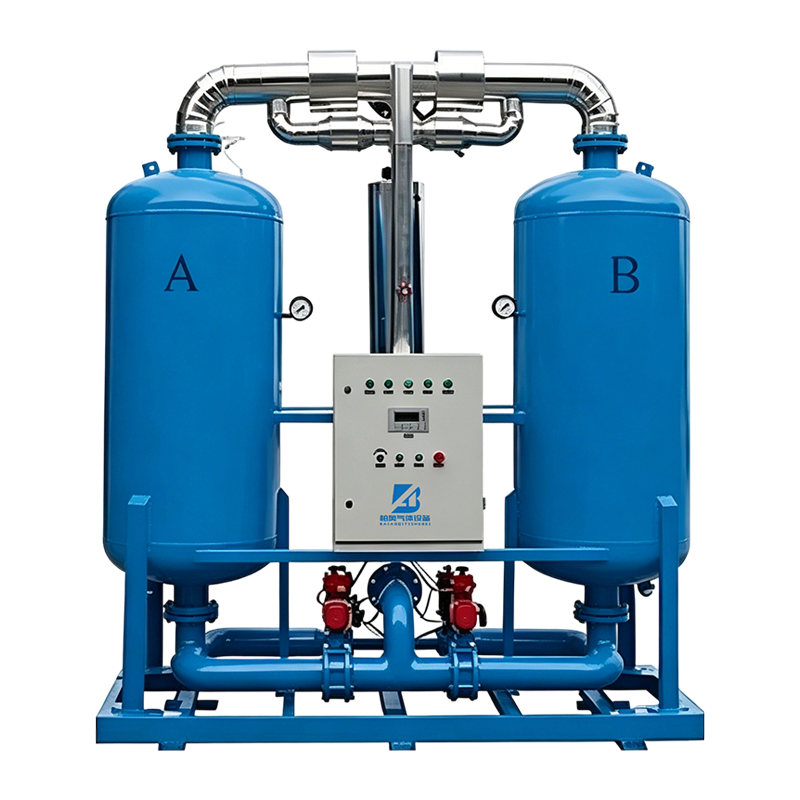
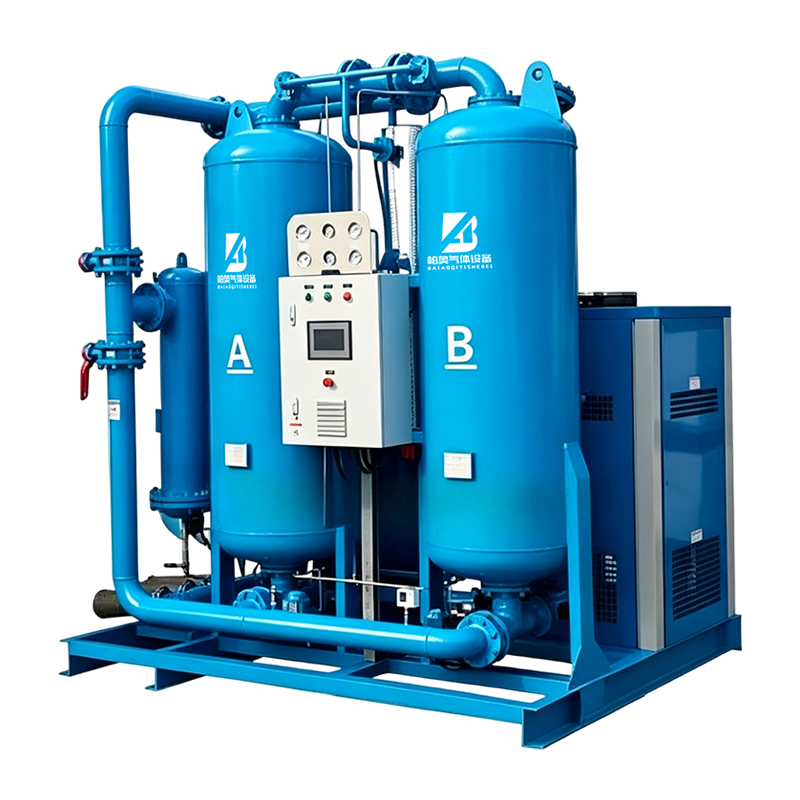
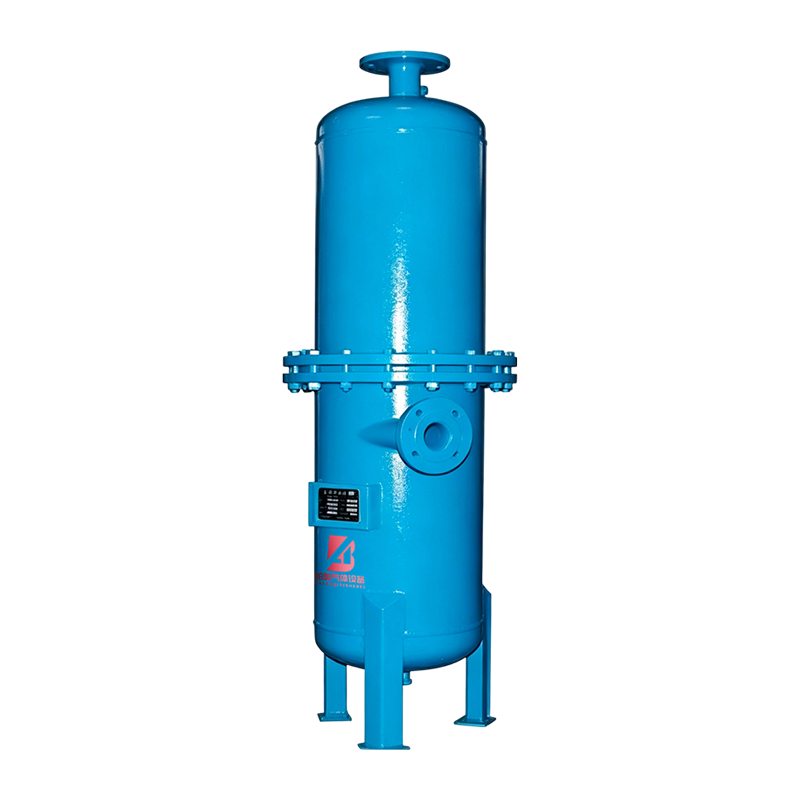
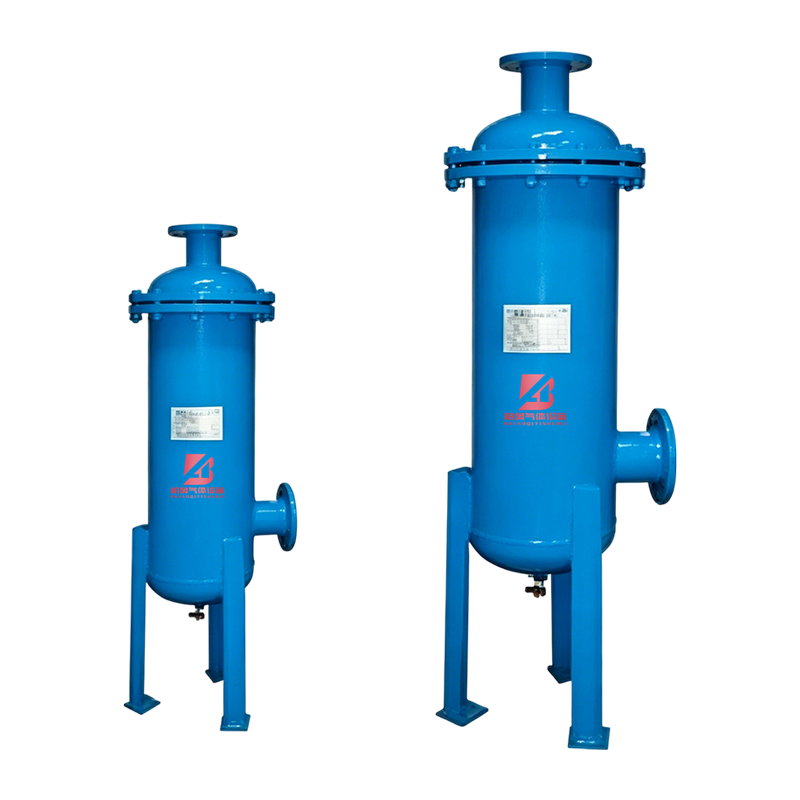
Zhejiang Baiao Gas Equipment Co., Ltd.
Zhejiang Baiao Gas Equipment Co., Ltd. is located in Fuyang District, Hangzhou, with convenient location and good transportation access. We are a gas equipment manufacturer integrating R&D, design, production, and installation. As Industrial Gas Generator Plant and China Gas Separation Equipment Supplier, Our facility covers a 3,000 sqm standardized workshop, a 500 sqm office area, and a 500 sqm warehouse, along with employee living facilities. Our team is lean and professional, with dedicated R&D and after-sales service personnel to ensure stable production and reliable project execution.
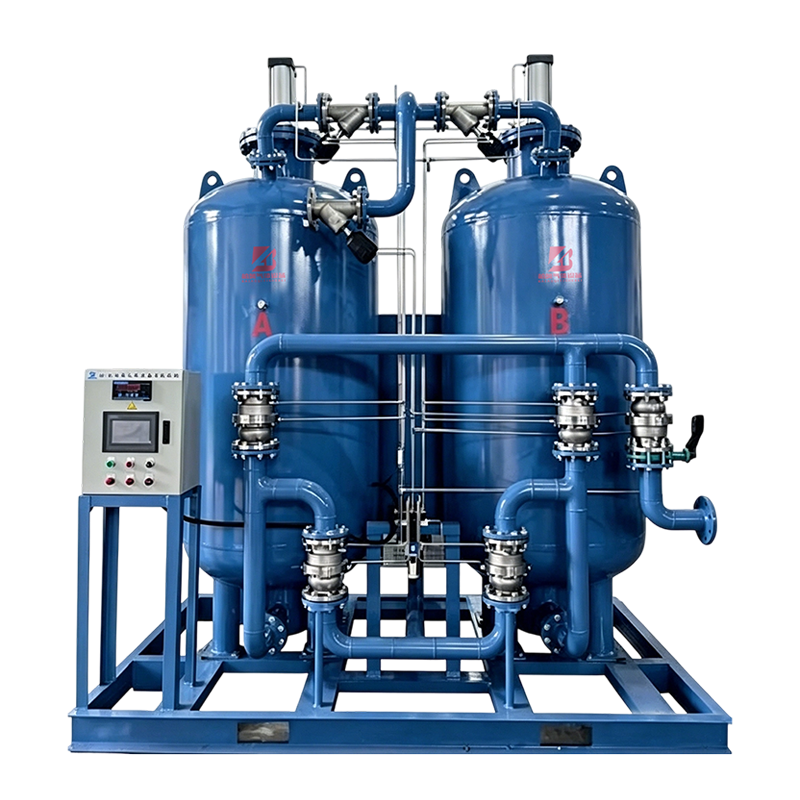
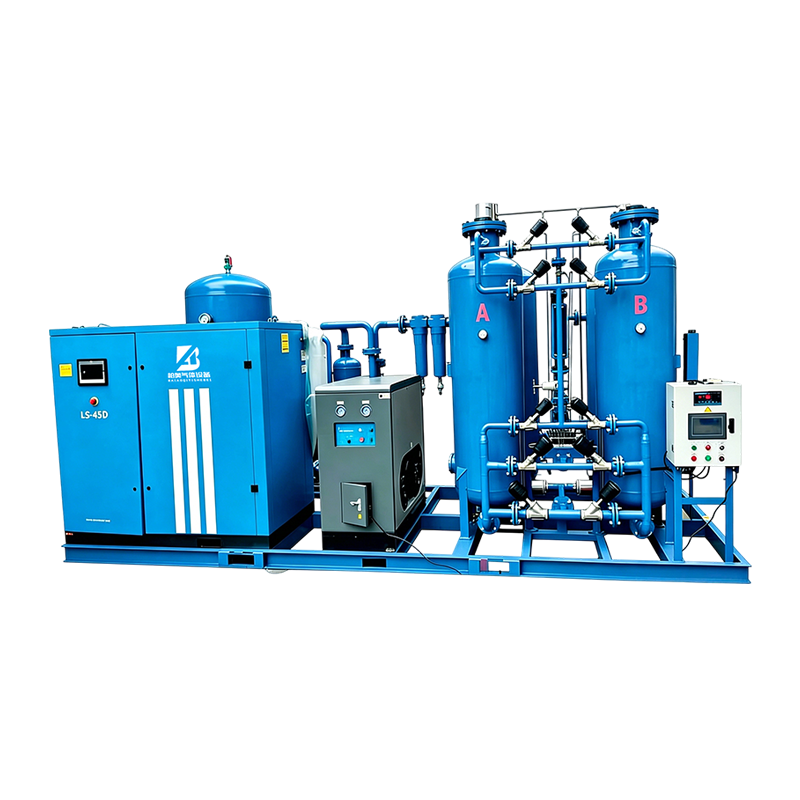
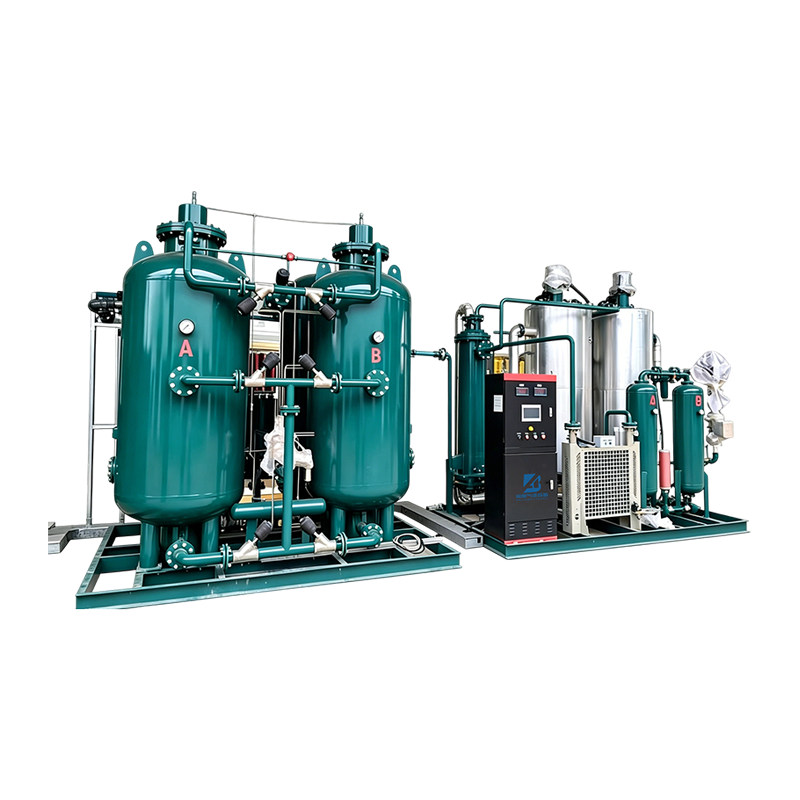
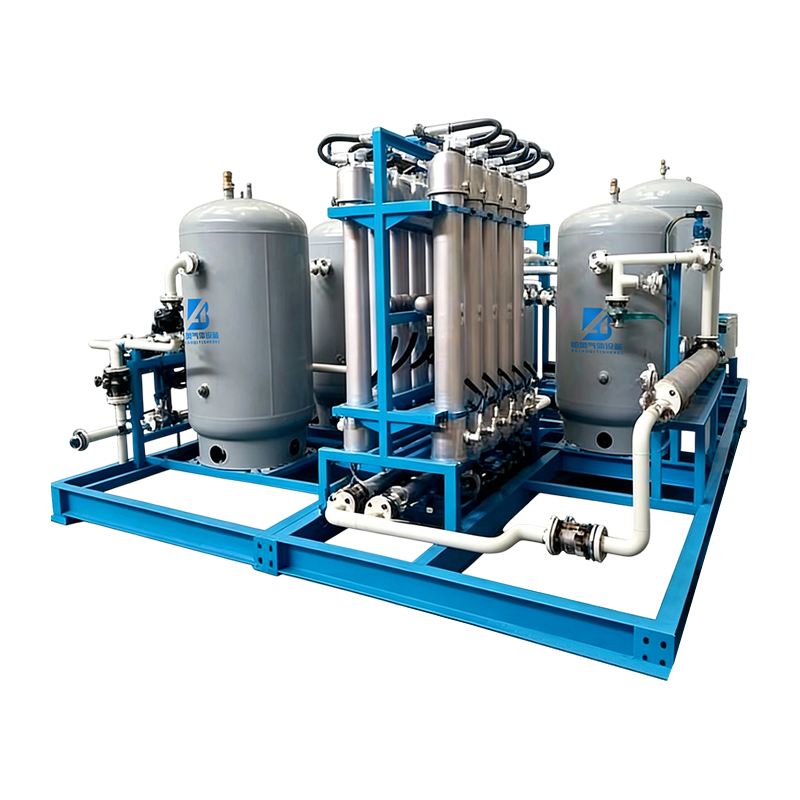
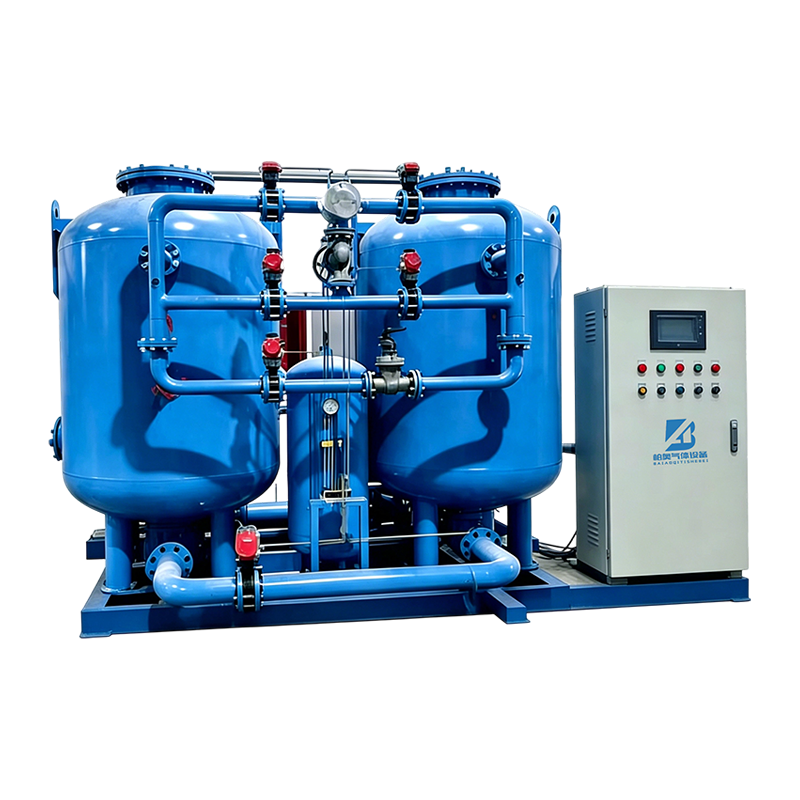
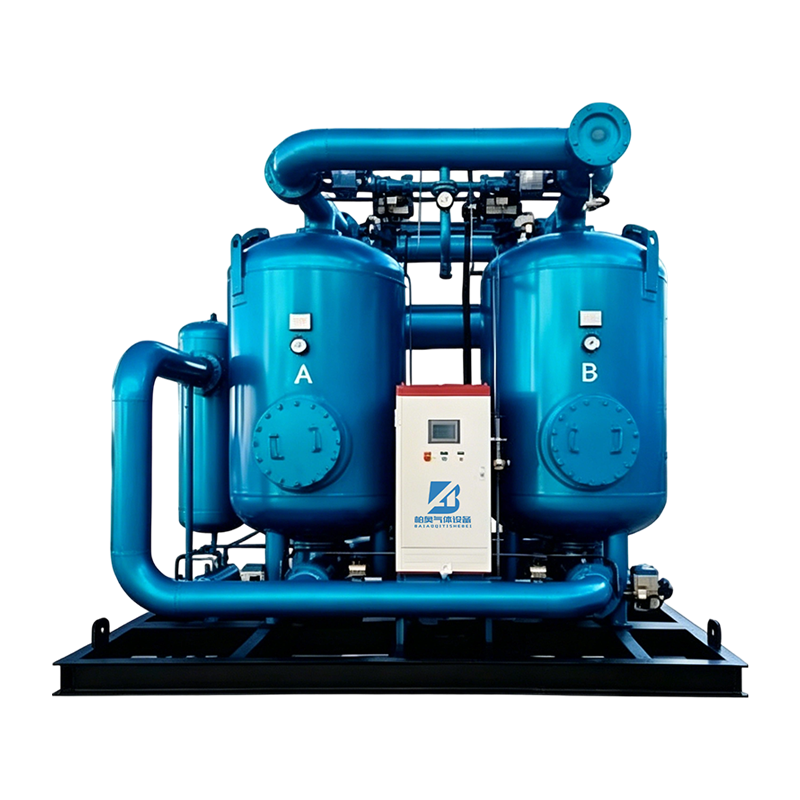
Our main products include gas separation and purification equipment, such as PSA nitrogen generators, PSA oxygen generators, membrane separation nitrogen/oxygen generators, QH/QC series nitrogen purification units, and ammonia decomposition hydrogen purification units. Our products are developed based on overseas technologies and optimized for domestic industrial conditions, offering a relatively complete product range.
Our equipment is used in industries such as petrochemical, textile, food processing, automotive manufacturing, heat treatment, and SMT precision electronics. Our sales network covers more than 30 provinces and cities across China.
We focus on technical improvement, quality control, and integrity in business operations. Relying on our quality management system and sales service system, we provide stable gas equipment and supporting services to customers worldwide.
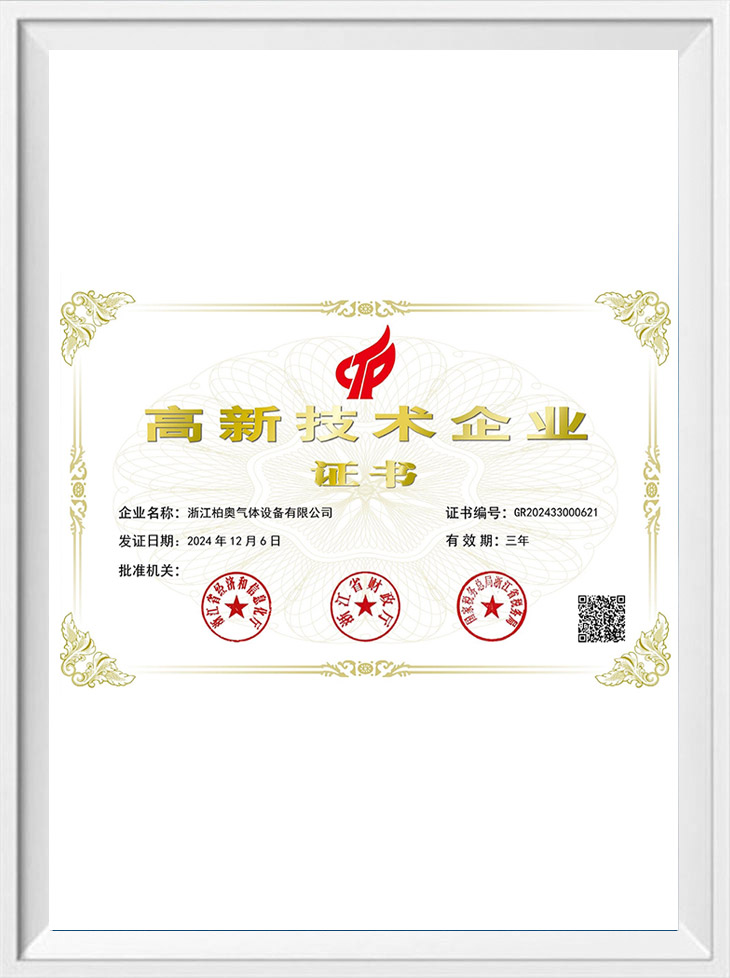
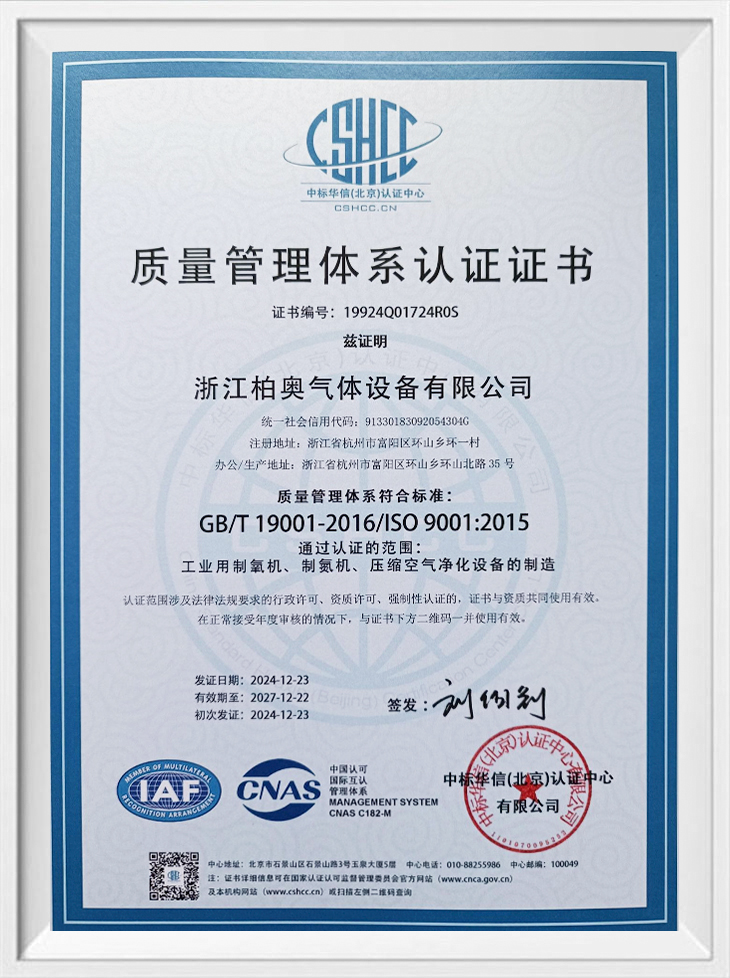
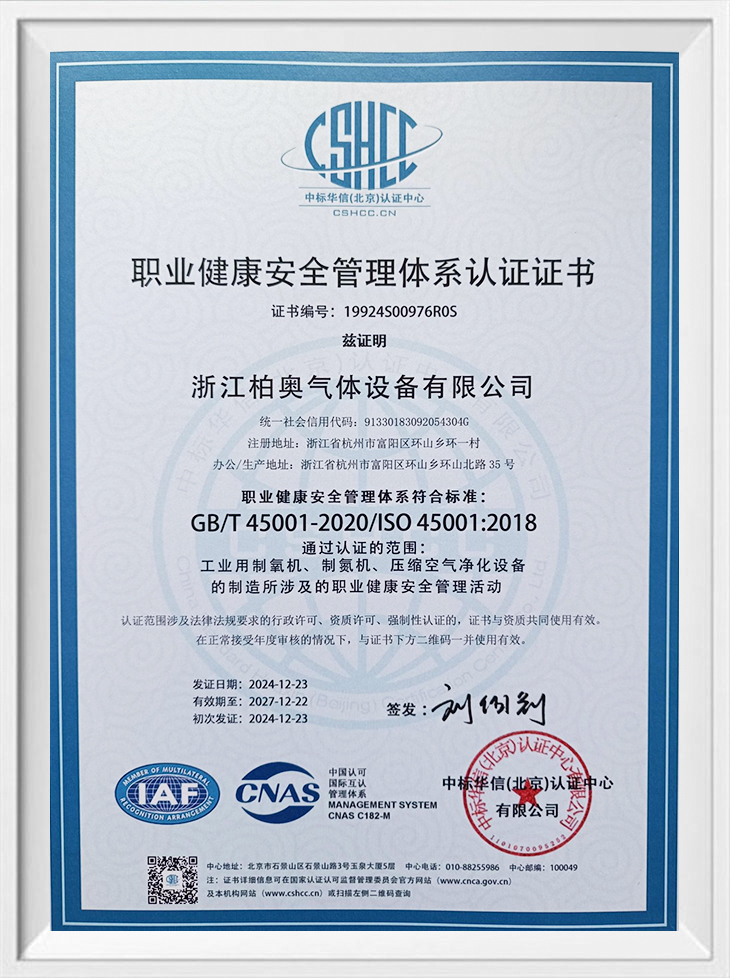
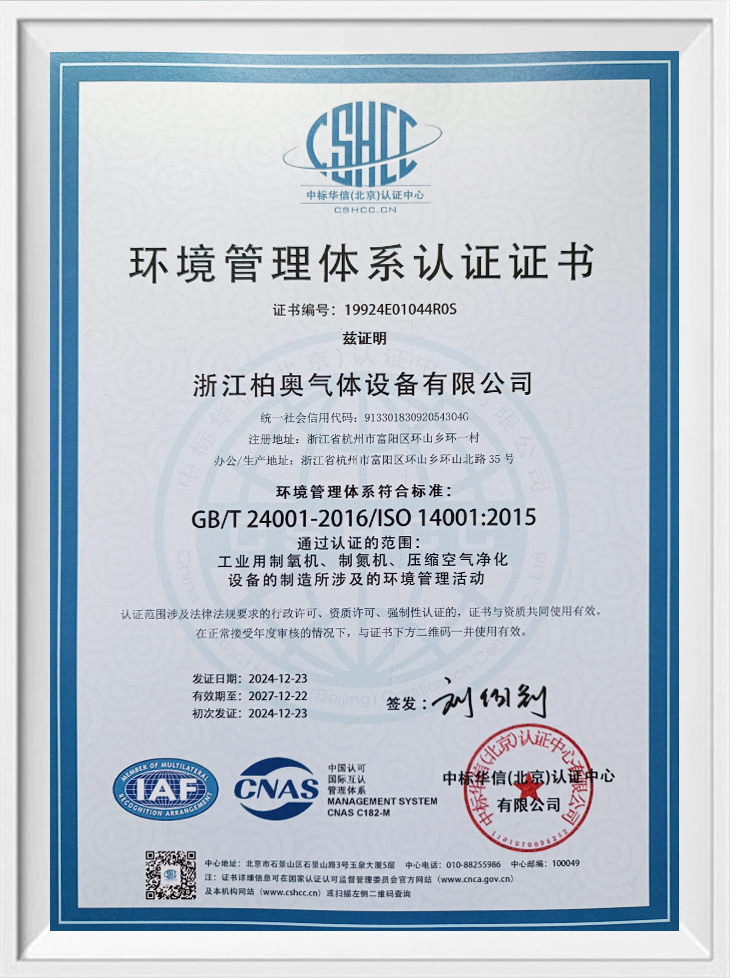
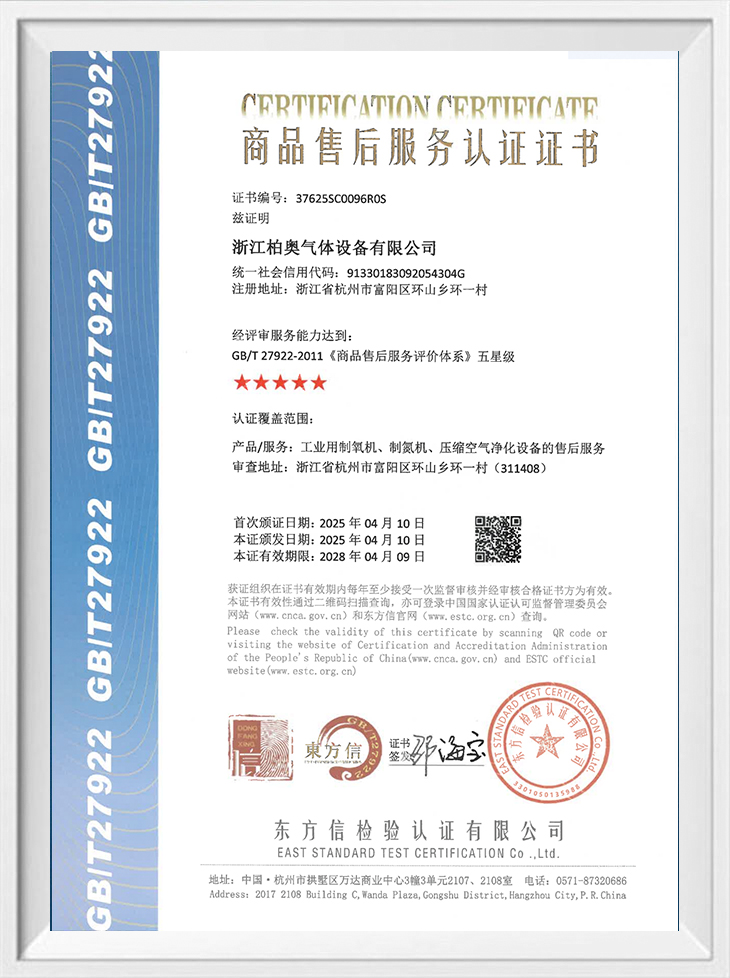
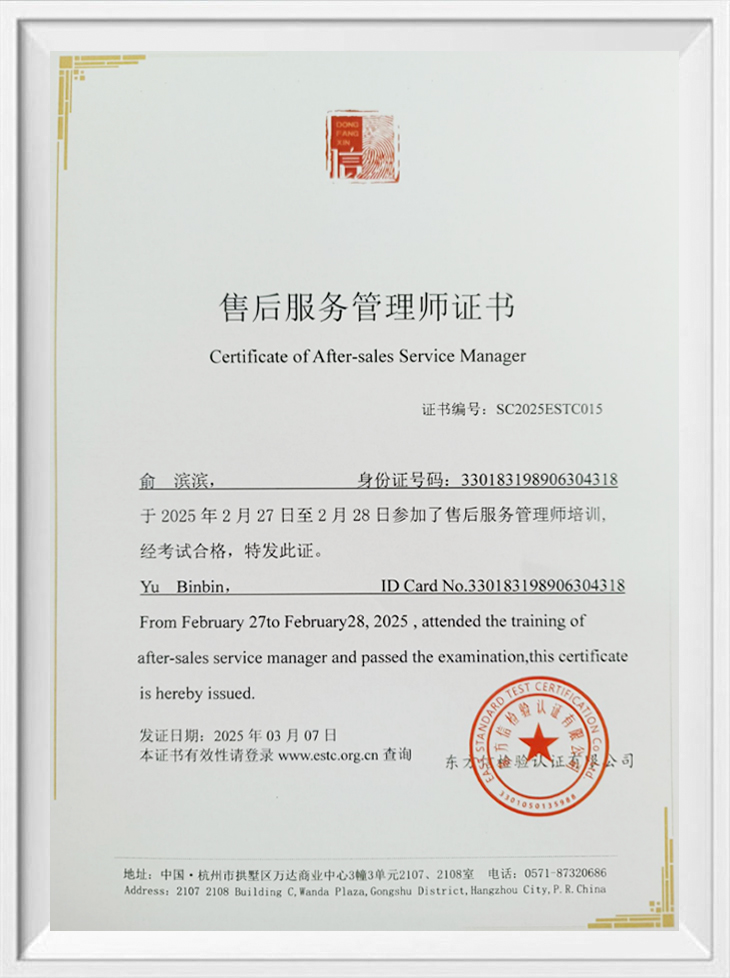
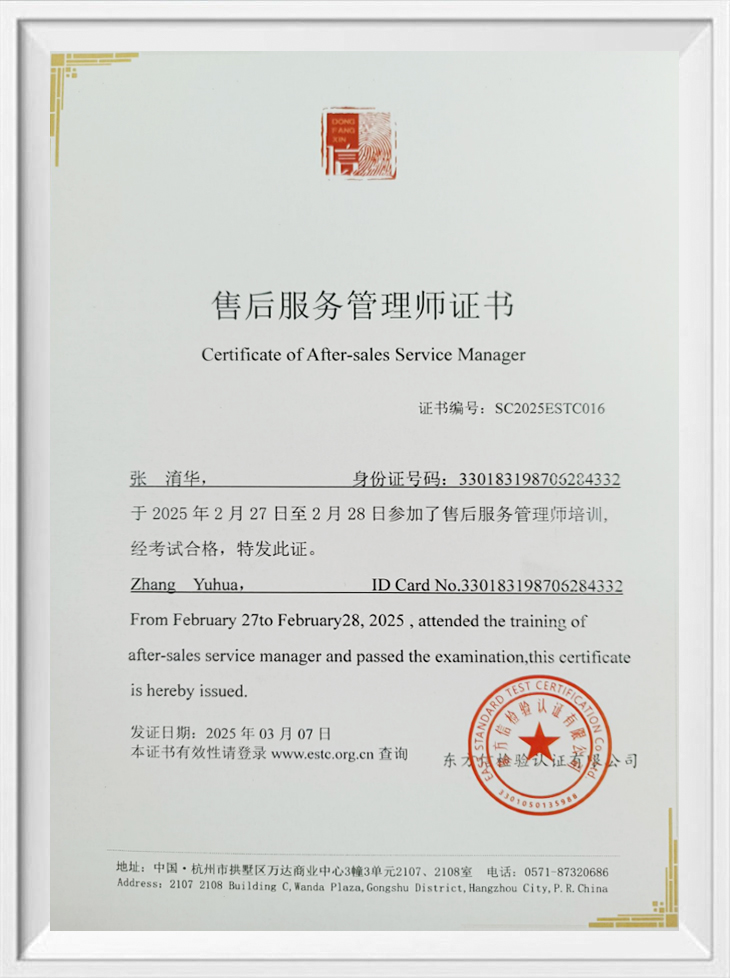
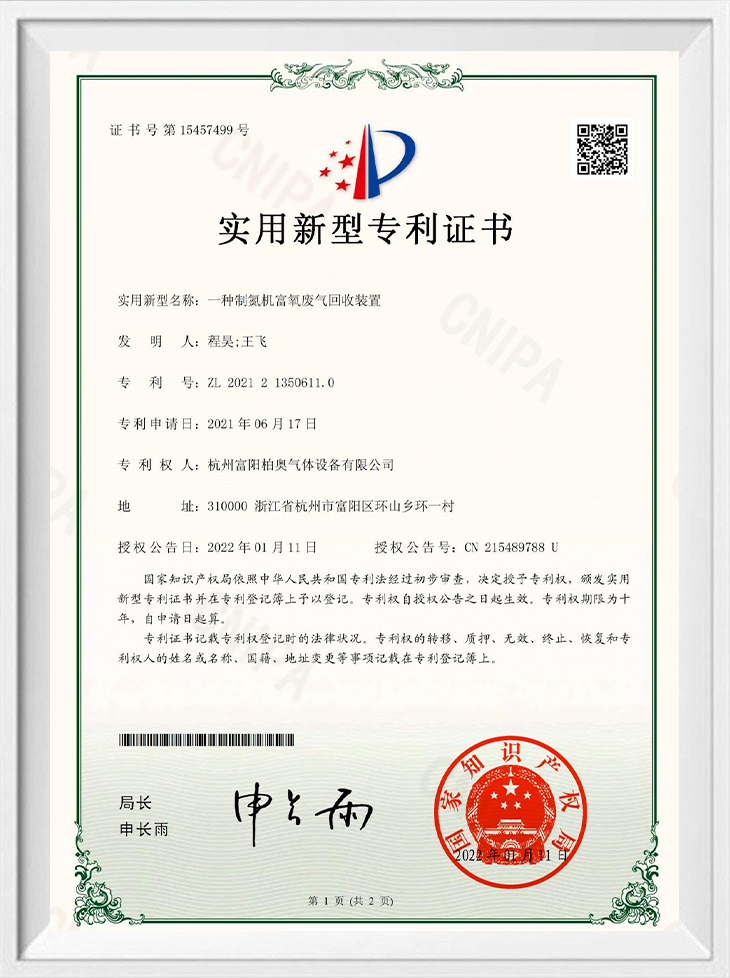
Certificate Of Honor
News & Insights
Stay updated with our latest developments and industry technology trends.
Message Feedback
Gas Solutions Industry knowledge
Industrial gas generation typically involves three linked stages: compressing ambient air, removing moisture and oil to protect downstream equipment, and separating or concentrating the target gas — nitrogen, oxygen, or clean compressed air itself. Understanding how these stages work together helps engineering and procurement teams specify the right equipment for a given purity, flow rate, and application.
What Is an Industrial Gas Generation System?
An industrial gas generation system is a chain of equipment that converts ambient air into a usable industrial gas on-site, rather than sourcing it from cylinders or bulk liquid delivery. The chain typically begins with an air compressor (screw, piston, or centrifugal) that raises ambient air to working pressure. Compressed air then passes through purification equipment — dryers to remove moisture and filters to remove oil and particulates — before reaching either compressed-air end use or a separation unit that produces nitrogen or oxygen.
Each stage affects the performance of the next: undersized compression limits downstream flow, and inadequate purification shortens the service life of separation media.
How Do PSA Nitrogen and Oxygen Generators Work?
Most on-site nitrogen and oxygen generators use Pressure Swing Adsorption (PSA), a physical separation process rather than a chemical reaction. In PSA nitrogen generation, compressed air passes through a bed of carbon molecular sieve (CMS), which adsorbs oxygen molecules faster than nitrogen molecules under pressure, allowing nitrogen-enriched gas to pass through. In PSA oxygen generation, the process is reversed: a zeolite molecular sieve preferentially adsorbs nitrogen, letting oxygen pass through.
Two or more adsorption vessels alternate between an adsorption phase and a regeneration (depressurization) phase, allowing continuous gas output. Membrane separation, an alternative technology, uses hollow-fiber membranes with different permeation rates for oxygen and nitrogen, and is typically suited to lower-purity nitrogen requirements with a simpler mechanical design.
Why Does Compressed Air Quality Matter for Gas Separation?
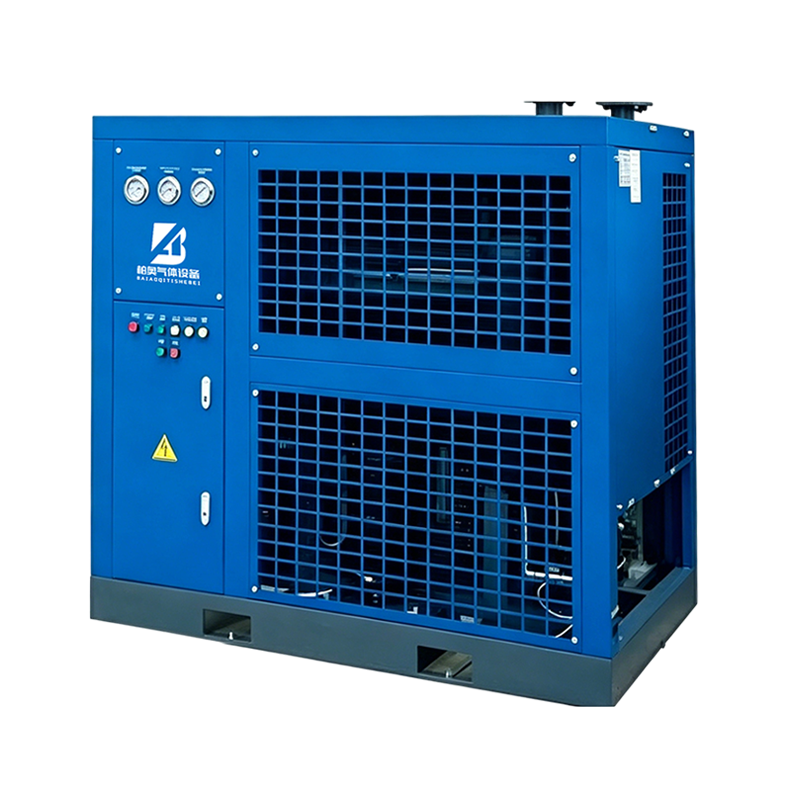
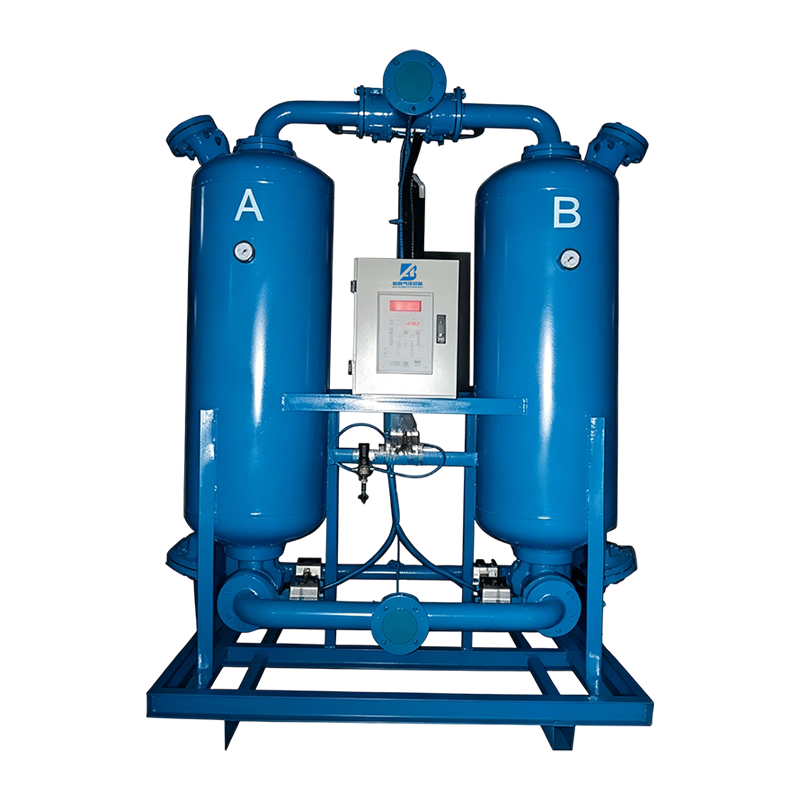
Adsorption and membrane media are sensitive to moisture, oil aerosols, and particulates. Untreated compressed air can foul carbon molecular sieve, degrade membrane fibers, and reduce separation efficiency over time. This is why gas purification equipment — refrigerated or desiccant dryers, coalescing filters, and activated carbon filters — is typically specified upstream of an air separation unit.
Compressed air quality is commonly classified against ISO 8573-1, which defines quality classes for particulates, moisture (measured as pressure dew point), and oil content. Matching the compressor and purification train to the required ISO class is a standard step in system specification for gas separation, food and beverage, electronics, and pharmaceutical applications.
On-Site Generation vs. Cylinder and Bulk Liquid Gas Supply
Facilities sourcing nitrogen or oxygen from gas cylinders or bulk liquid delivery are subject to logistics lead times, cylinder handling and storage requirements, and supply variability at remote or high-consumption sites. On-site PSA or membrane generation produces gas continuously from ambient air, removing dependency on third-party delivery schedules and reducing high-pressure cylinder handling on-site.
The trade-off is an upfront capital investment in generation and purification equipment, which is typically evaluated against a facility's gas consumption volume, purity requirement, and the cost and reliability of its current gas supply chain.
Key Parameters When Specifying Gas Generation Equipment
Specifying an air separation unit, gas purification system, or air compressor typically starts with four parameters: required gas purity (for nitrogen, commonly specified as a percentage or in ppm residual oxygen; for compressed air, an ISO 8573-1 class), flow rate (Nm³/h), operating pressure, and the application's tolerance for supply interruption.
Additional factors — ambient temperature range, available footprint, noise limits, and whether the installation is fixed, skid-mounted, or containerized — further narrow the equipment configuration. Working from these parameters allows a system to be sized so that compression, purification, and separation stages are balanced, rather than any single stage becoming a bottleneck.
Baiao Gas Equipment designs and manufactures all three stages of this chain — industrial air compressors, gas purification equipment, and air separation units — allowing each stage to be specified and supplied as a matched system rather than sourced from separate vendors.
Get In Touch
Follow Us
Quick Links
Product Category
Contact Us
- Tel: +86-15057127179
+86-13588382771 - Email: huang.yifan0215@gmail.com
- Address: Huanshan Township, Fuyang District, Hangzhou City, Zhejiang Province
Copyright © Zhejiang Baiao Gas Equipment Co., Ltd. All Rights Reserved.
Privacy
Industrial Gas Generator Plant Supplier
China industrial Gas Separation Equipment Solutions
