 en
en русский
 Español
 عربى
عربى
Product Series
Oil-Free Rotary Screw Air Compressor Supplier
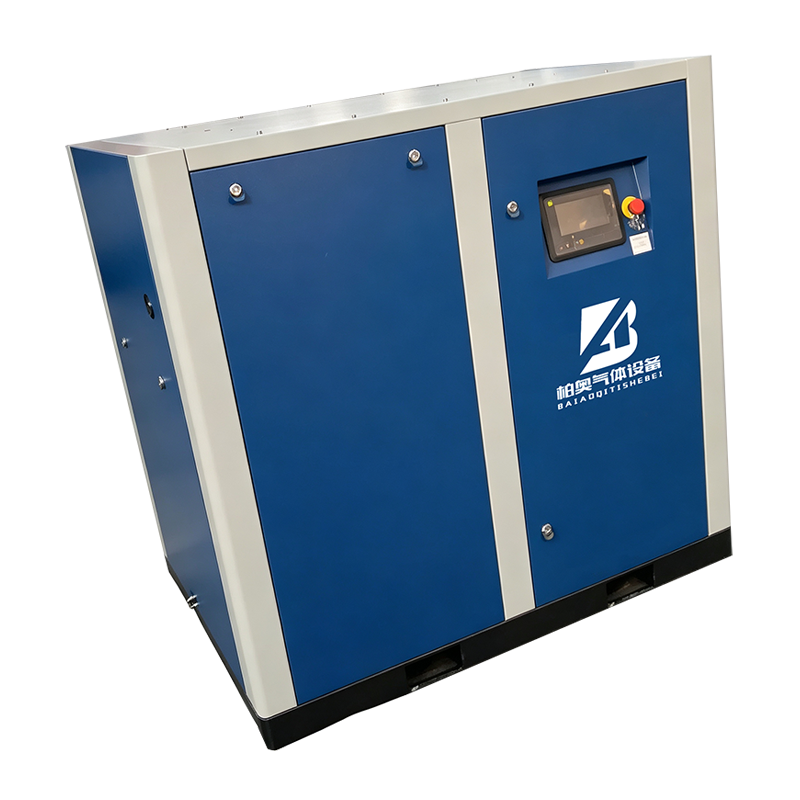
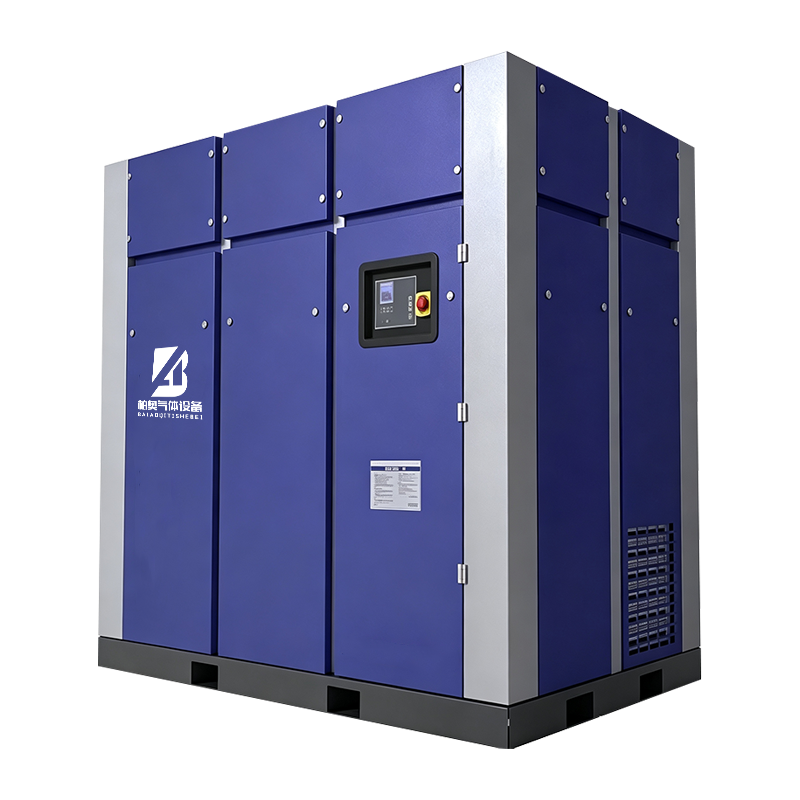
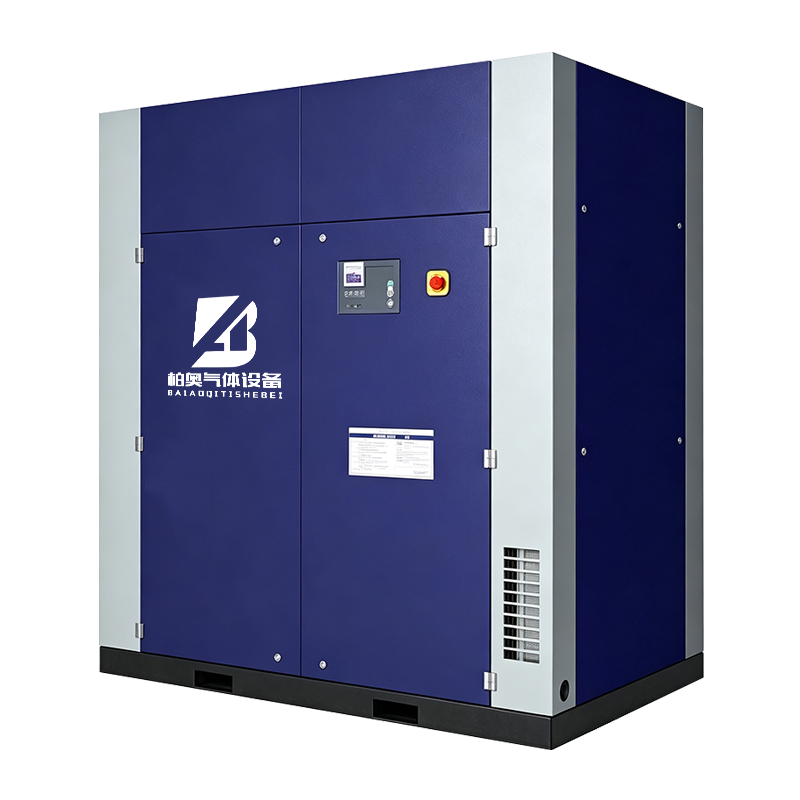
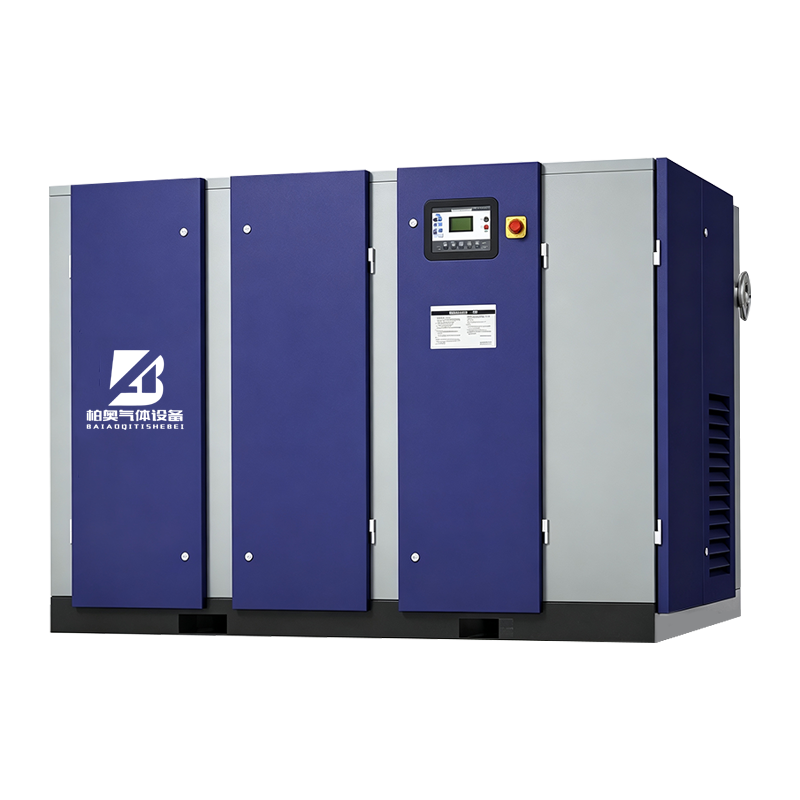
Our oil-free series is certified to ISO 8573-1 standards, ensuring completely oil-free compressed air. This series is particularly suitable for the food and beverage, pharmaceutical, electronics, and textile industries, where clean, oil-free air is critical to safeguarding product quality and process integrity. The DMW series operates at a working pressure of 7-10 bar, making it ideal for medium-to-high pressure applications, while the DMWLH series operates within a pressure range of 2-3 bar, perfectly meeting low-pressure requirements.
Zhejiang Baiao Gas Equipment Co., Ltd.
Zhejiang Baiao Gas Equipment Co., Ltd. is located in Fuyang District, Hangzhou, with convenient location and good transportation access. We are a gas equipment manufacturer integrating R&D, design, production, and installation. As Custom Oil-Free Rotary Screw Air Compressor Supplier and China Oil-Free Rotary Screw Air Compressor Factory, Our facility covers a 3,000 sqm standardized workshop, a 500 sqm office area, and a 500 sqm warehouse, along with employee living facilities. Our team is lean and professional, with dedicated R&D and after-sales service personnel to ensure stable production and reliable project execution.
Our main products include gas separation and purification equipment, such as PSA nitrogen generators, PSA oxygen generators, membrane separation nitrogen/oxygen generators, QH/QC series nitrogen purification units, and ammonia decomposition hydrogen purification units. Our products are developed based on overseas technologies and optimized for domestic industrial conditions, offering a relatively complete product range.
Our equipment is used in industries such as petrochemical, textile, food processing, automotive manufacturing, heat treatment, and SMT precision electronics. Our sales network covers more than 30 provinces and cities across China.
We focus on technical improvement, quality control, and integrity in business operations. Relying on our quality management system and sales service system, we provide stable gas equipment and supporting services to customers worldwide.
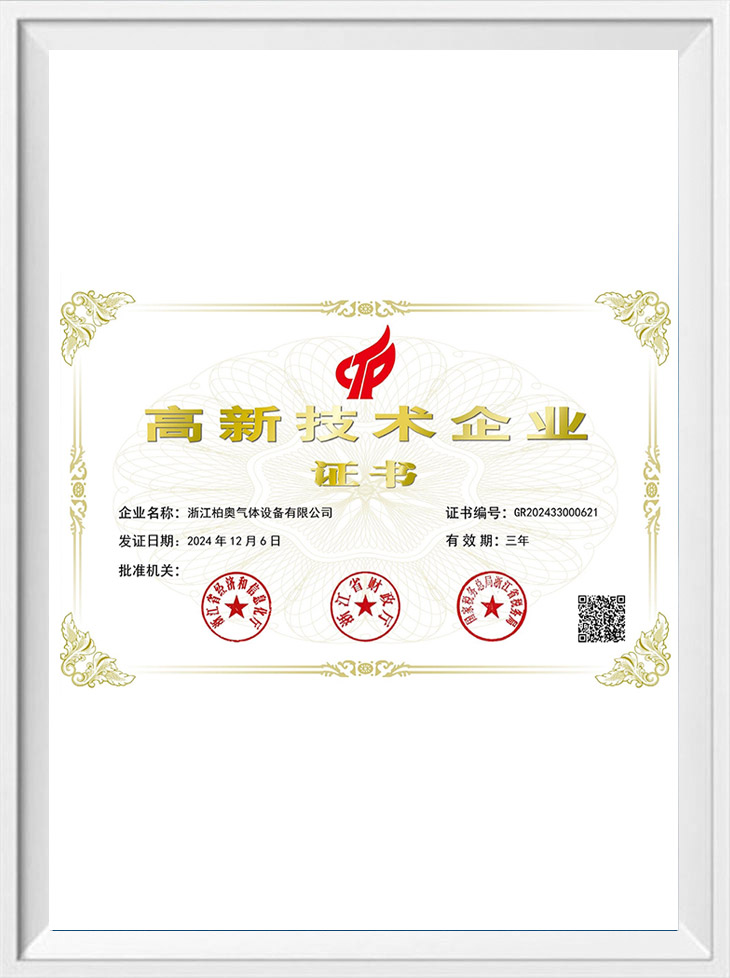
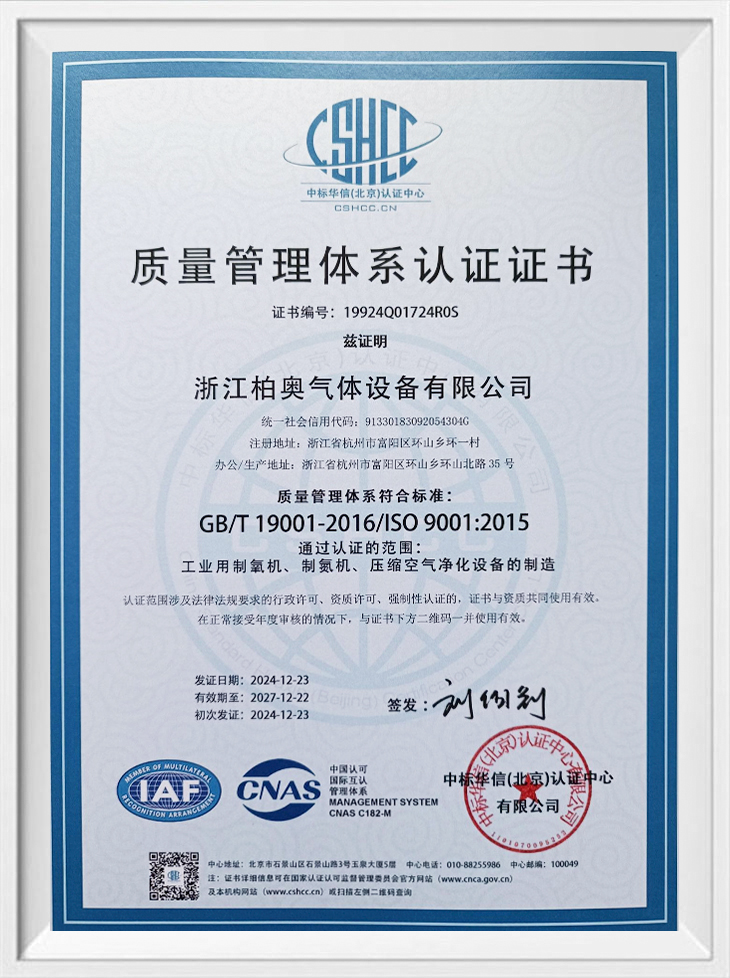
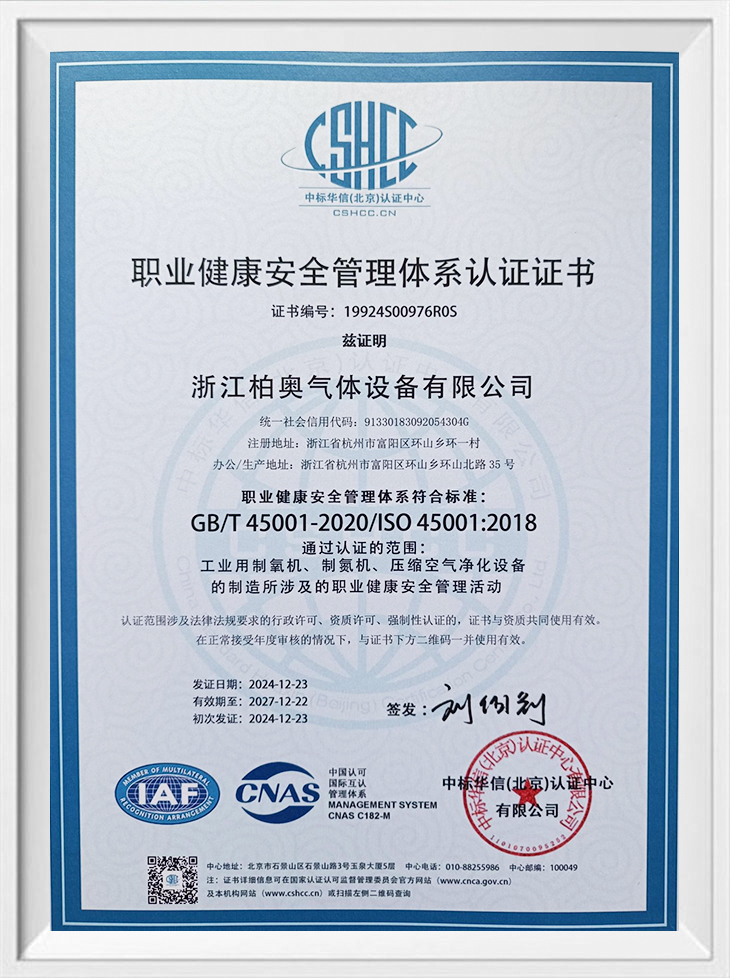
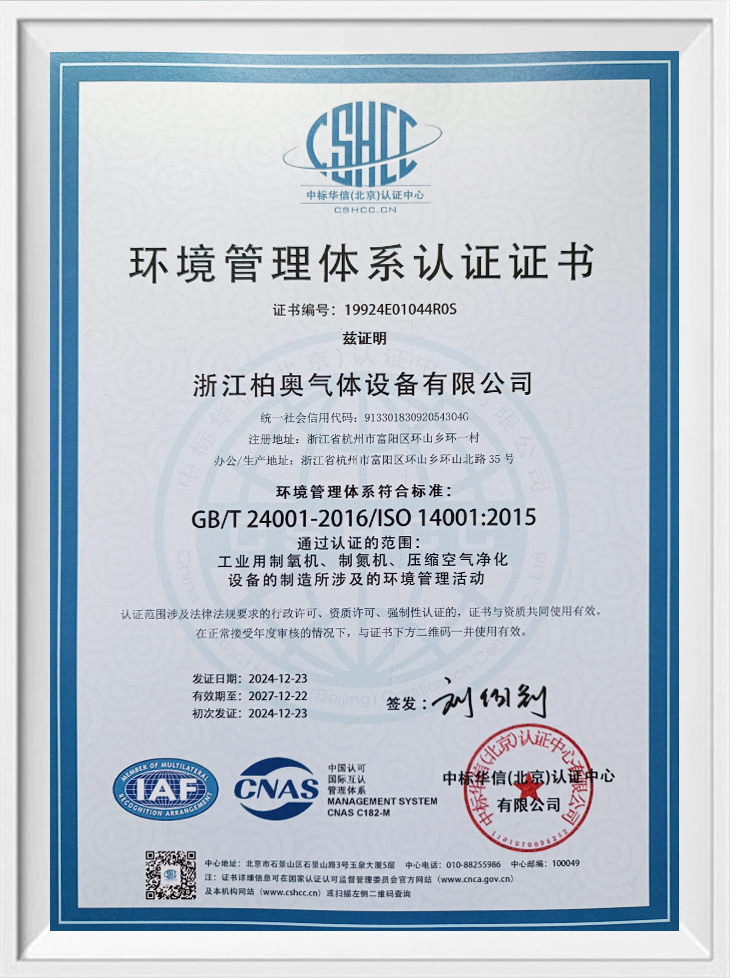
Certificate Of Honor
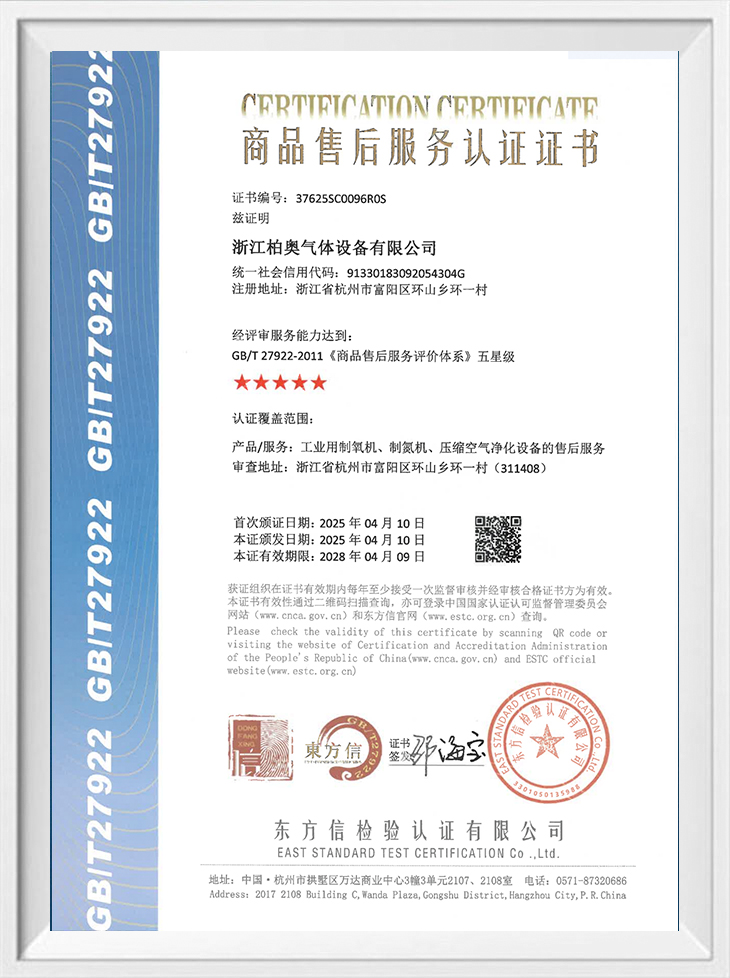
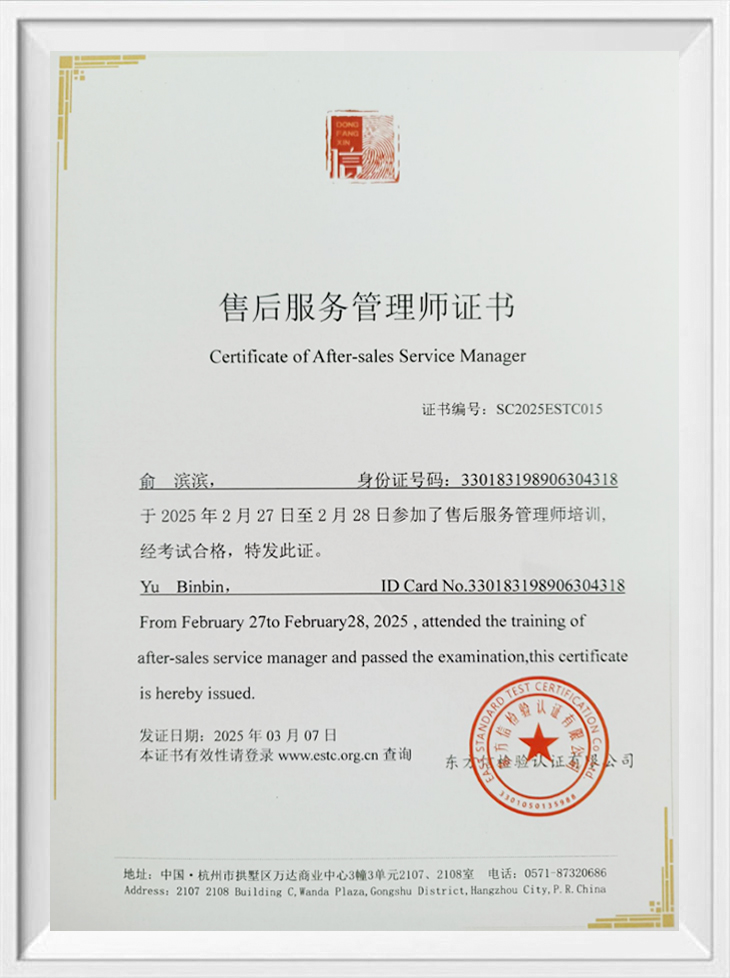
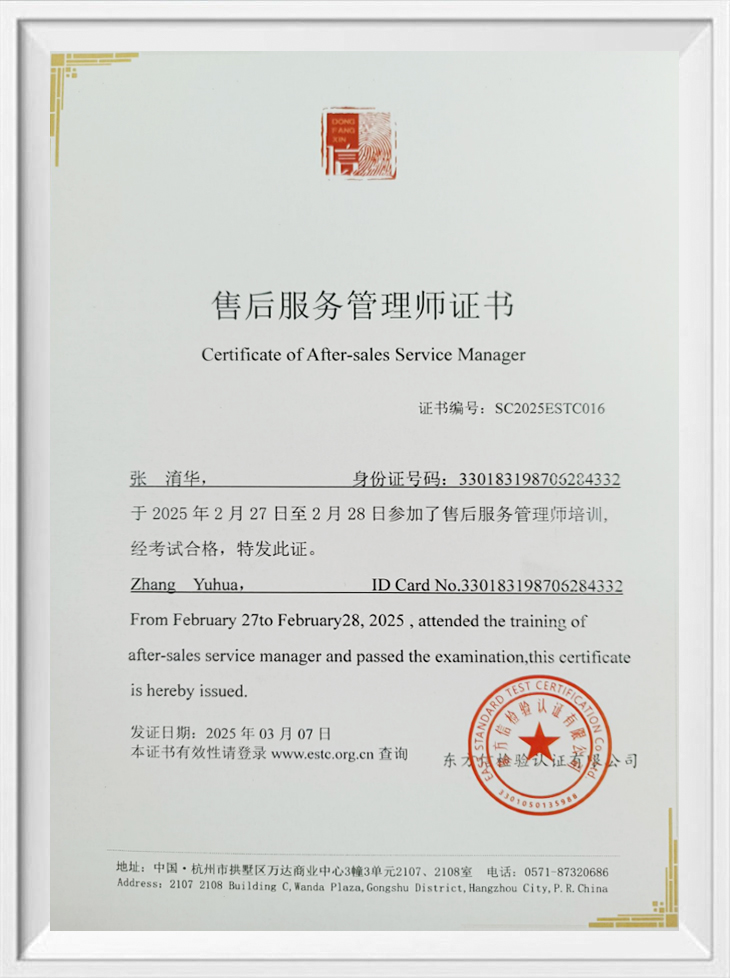
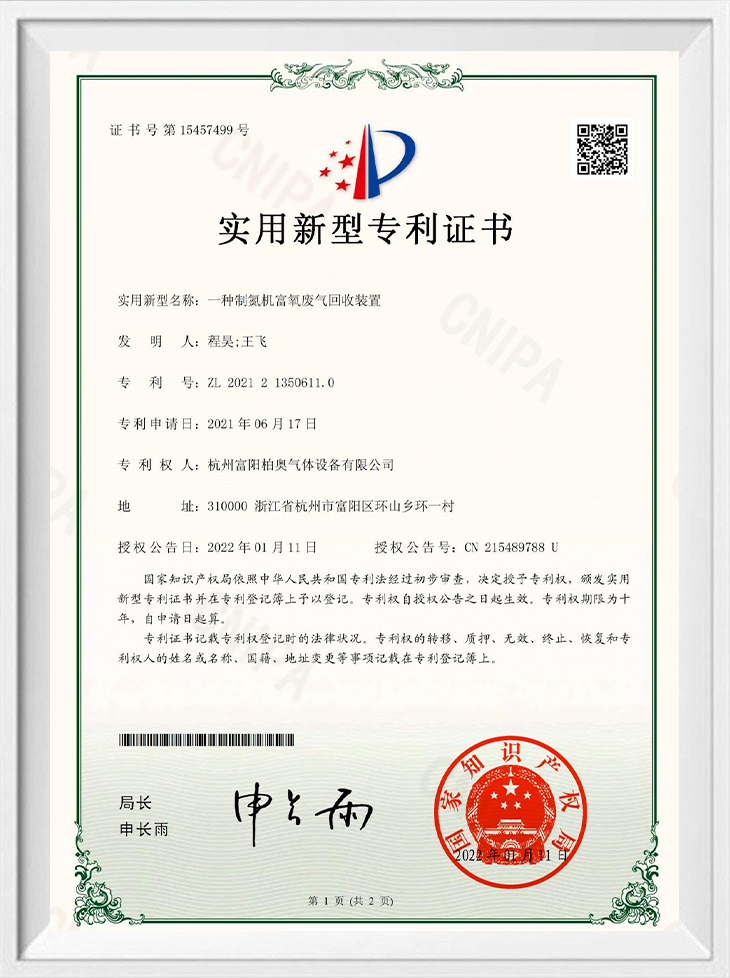
News & Insights
Stay updated with our latest developments and industry technology trends.
Message Feedback
Oil-Free Rotary Screw Air Compressor Industry knowledge
Oil-Free Compression Technologies Compared
This range covers four different ways to produce oil-free air — the sections below explain how they differ and when each applies.
Water-Lubricated vs. Dry: Two Ways to Achieve Oil-Free Compression
A water-lubricated screw compressor injects water instead of oil into the compression chamber, using it purely for lubrication, sealing, and cooling; the water is separated out afterward, and no oil ever enters the system. A dry oil-free compressor instead uses precision-machined rotors held apart by external timing gears, with no injected medium at all — sealing relies on manufacturing tolerance rather than a lubricating film. Both meet oil-free air requirements; the dry design is more demanding to manufacture, while the water-lubricated design trades that for a water treatment and drainage system.
The practical difference shows up in day-to-day operation rather than air quality: a water-lubricated unit needs its water system inspected and its filters replaced on a set schedule, and typically tolerates minor scaling or mineral content in the water supply better than it tolerates neglect of that schedule. A dry compressor has no fluid system to maintain, but its timing gears and rotor coatings are the wear items to track instead, and rebuilds generally call for the machine's own specified parts rather than generic gear stock.
Why a Scroll Compressor Sits Alongside the Screw Models on This Page
Scroll compression uses two interleaving spiral-shaped scrolls — one fixed, one orbiting — to trap and compress air progressively toward the center, a different mechanical principle from rotary screw. Scroll units are inherently oil-free, run quietly, and are typically built at a smaller flow rate than screw compressors, which is why they suit point-of-use equipment such as lab instruments, dental units, or small electronics lines rather than plant-wide air supply.
Because a single scroll unit covers a modest flow range, sites that need more air than one unit provides typically run several scroll compressors in parallel with a shared controller, rather than stepping up to a single larger screw machine — this also gives built-in redundancy, since one unit can be serviced while the others keep the line running, which a single centralized screw compressor cannot offer without a full standby unit.
Standard-Pressure vs. Low-Pressure Configurations
The DMW series is built for 7–10 bar working pressure, suiting general medium-to-high pressure compressed air. The DMWLH series operates at 2–3 bar for processes that only need low-pressure oil-free air.
Running a standard-pressure unit and then stepping it down with a pressure-reducing valve technically works for a low-pressure process, but the compressor still spends energy compressing air to the higher pressure in the first place, only to throttle that pressure back down before use — a low-pressure-native model like the DMWLH avoids that waste by not compressing past the pressure the process actually needs.
What ISO 8573-1 Class 0 Certification Actually Confirms
ISO 8573-1 sets air quality classes for particulates, moisture, and oil content, and Class 0 is the strictest oil category — essentially zero oil content, verified by accredited third-party testing rather than a manufacturer's own claim. Buyers with a Class 0 requirement on food, beverage, pharmaceutical, or electronics lines should confirm the certification documentation covers the specific model and capacity being purchased, since this testing is typically certified per model rather than as a blanket claim for an entire product line.
It is also worth checking what happens downstream of the compressor itself: a Class 0 compressor still needs the compressed air network — piping, storage tanks, fittings — to be kept free of contamination introduced after the compressor, since a certified oil-free source does not guarantee oil-free air at the point of use if the distribution system itself has residue from a previous oil-injected installation.
Is a Custom Oil-Free Configuration Available?
Yes — technology, pressure, and flow rate are configured to the enquiry rather than limited to the four models shown. If trace oil carryover is acceptable for your process, the oil-injected range may offer a lower-cost alternative; if not, see the full Industrial Air Compressor category page for every technology on offer.
In practice, specifying a custom order means stating the required flow rate, working pressure, and the air-quality class the process needs (for example, whether ISO 8573-1 Class 0 certification is a hard requirement or simply a preference) — from there, the choice between water-lubricated, dry, or scroll technology, and between standard or low-pressure configuration, follows from those numbers rather than needing to be decided first.
Zhejiang Baiao Gas Equipment Co., Ltd. manufactures its oil-free compressors in-house from a standardized workshop in Fuyang District, Hangzhou, supplying customers across more than 30 provinces in China.
Get In Touch
Follow Us
Quick Links
Product Category
Contact Us
- Tel: +86-15057127179
+86-13588382771 - Email: huang.yifan0215@gmail.com
- Address: Huanshan Township, Fuyang District, Hangzhou City, Zhejiang Province
Copyright © Zhejiang Baiao Gas Equipment Co., Ltd. All Rights Reserved.
Privacy
Custom Oil-Free Rotary Screw Air Compressor Supplier
China Oil-Free Rotary Screw Air Compressor Factory
