
 en
en русский
 Español
 عربى
عربى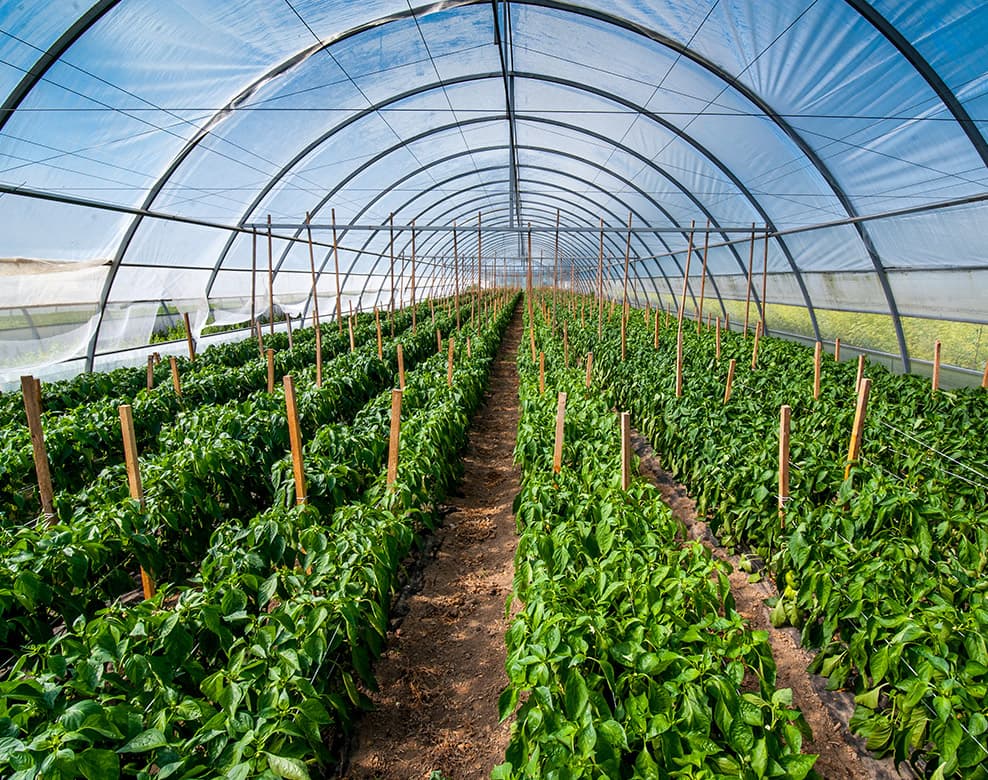








Industry Knowledge: How Nitrogen and Oxygen Solve Different Problems in Agriculture
The pain points above split into two different gas requirements: nitrogen for controlled atmosphere storage and preservation, and oxygen for planting and aquaculture. The two are not interchangeable, and understanding why each works helps match equipment to the actual problem being solved.
How Controlled-Atmosphere Storage Actually Suppresses Pests and Mold
Insects and mold both require oxygen to survive and reproduce. A nitrogen generator displaces oxygen inside a sealed storage space with nitrogen, lowering the oxygen level to a point most storage pests and fungal growth cannot tolerate. This is a physical mechanism, not a chemical one: nothing is sprayed onto the grain, fruit, or medicinal herbs being stored, which is why it leaves no residue and does not need to be washed or off-gassed before the product is sold, unlike fumigation. Once a storage room or container is purged down to its target oxygen level, maintaining it typically takes far less ongoing nitrogen flow than the initial purge did, since the main ongoing demand is offsetting whatever air leaks in through the seal rather than continuously re-purging the whole volume.
Why Dissolved Oxygen Is the Limiting Factor in Aquaculture and Greenhouse Growing
In a natural pond or open field, the amount of oxygen available to fish, shrimp, or plant roots is set by how much dissolves from the air on its own — and that ceiling is what actually limits how densely a pond can be stocked or how intensively a crop can be grown, more often than physical space is. An oxygen generator feeding supplemental oxygen directly into pond water or a greenhouse's root zone raises that ceiling, which is why on-site oxygen supply supports higher stocking density and yield than the same physical footprint could otherwise sustain, rather than by changing the space itself.
Sizing Equipment for Storage vs. Cultivation Duty
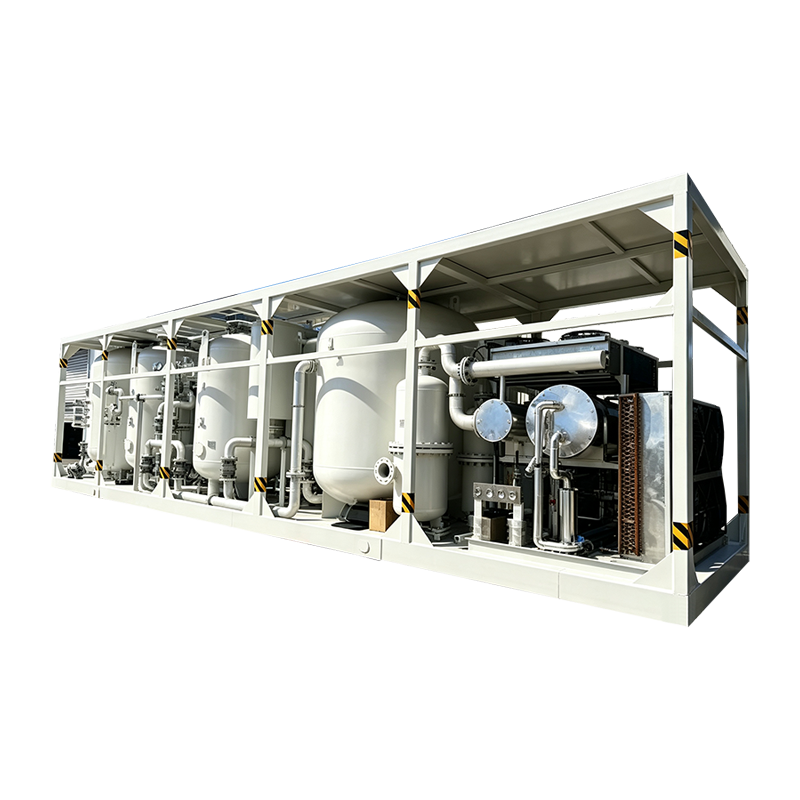
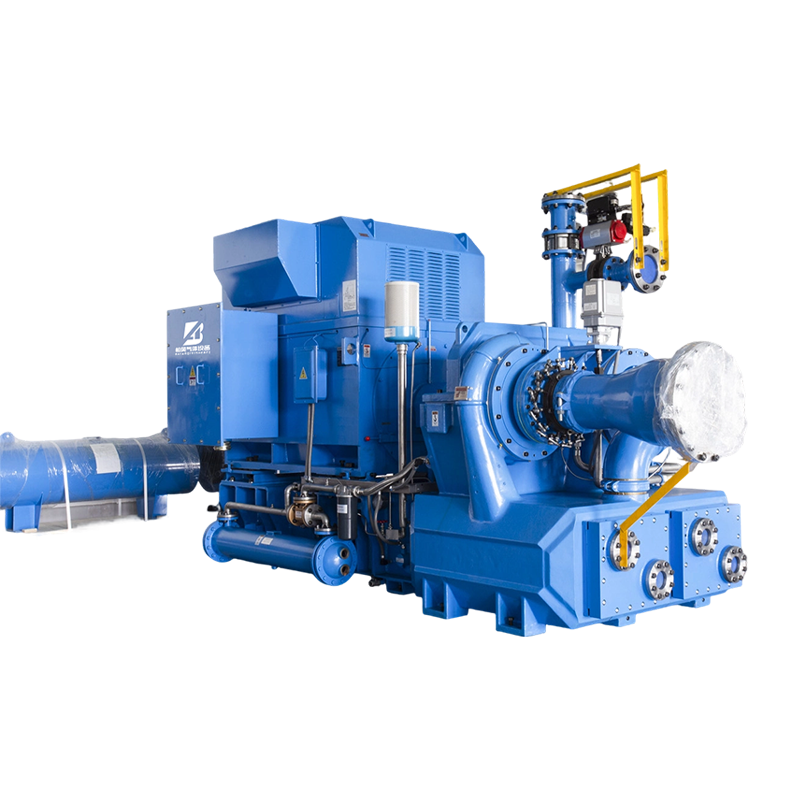
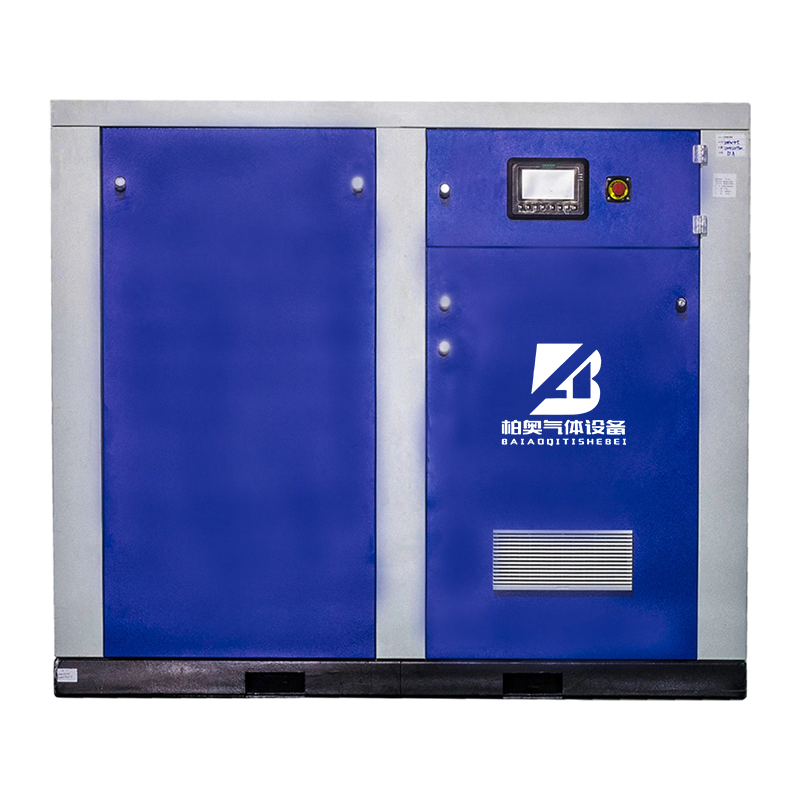
These two applications also place different demands on the equipment itself. A storage application is typically an initial purge down to target oxygen level, followed by lower-flow, intermittent operation to hold that level over weeks or months — closer to a batch process than continuous production. A cultivation or aquaculture application is closer to continuous duty, since dissolved oxygen has to be replenished as fast as the stock or crop consumes it, day and night, for as long as the growing or breeding cycle runs. Specifying flow rate and duty cycle around which of these two patterns actually applies, rather than around total volume alone, is usually the more useful starting point — the full air separation unit range covers both purity and flow combinations.
Zhejiang Baiao Gas Equipment Co., Ltd. supplies the on-site nitrogen and oxygen generation equipment behind both of these applications, sized to the specific storage volume or cultivation output involved rather than sold as a single standard configuration.
