
 en
en русский
 Español
 عربى
عربى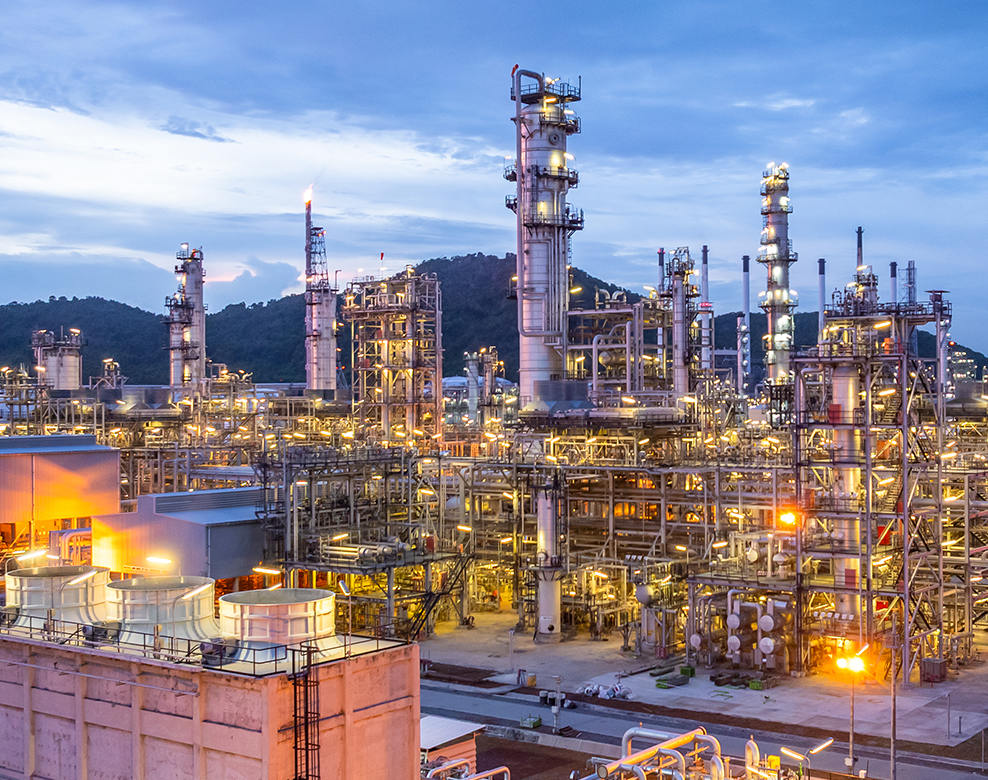








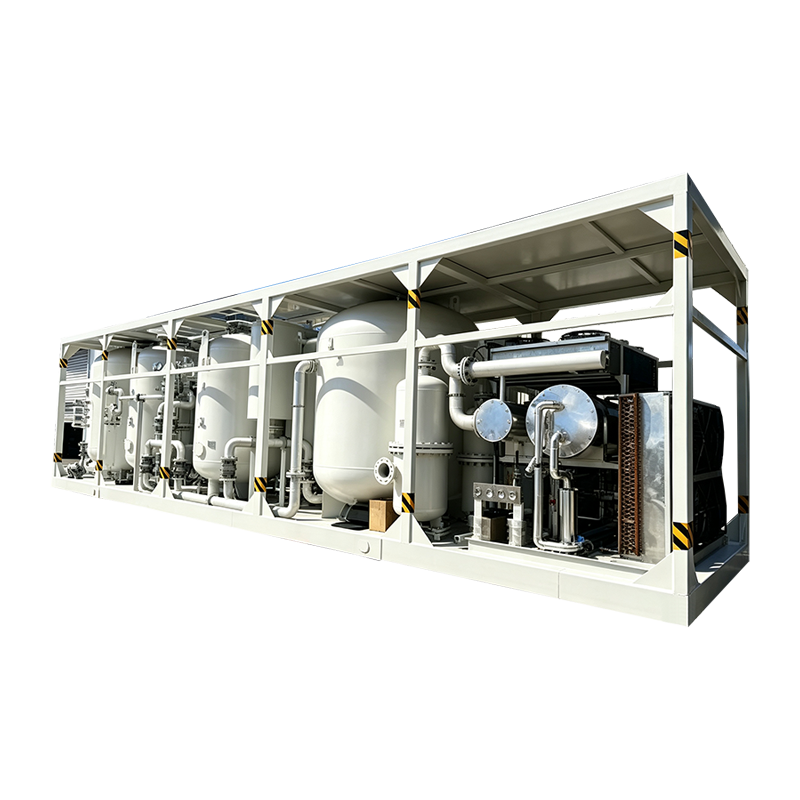
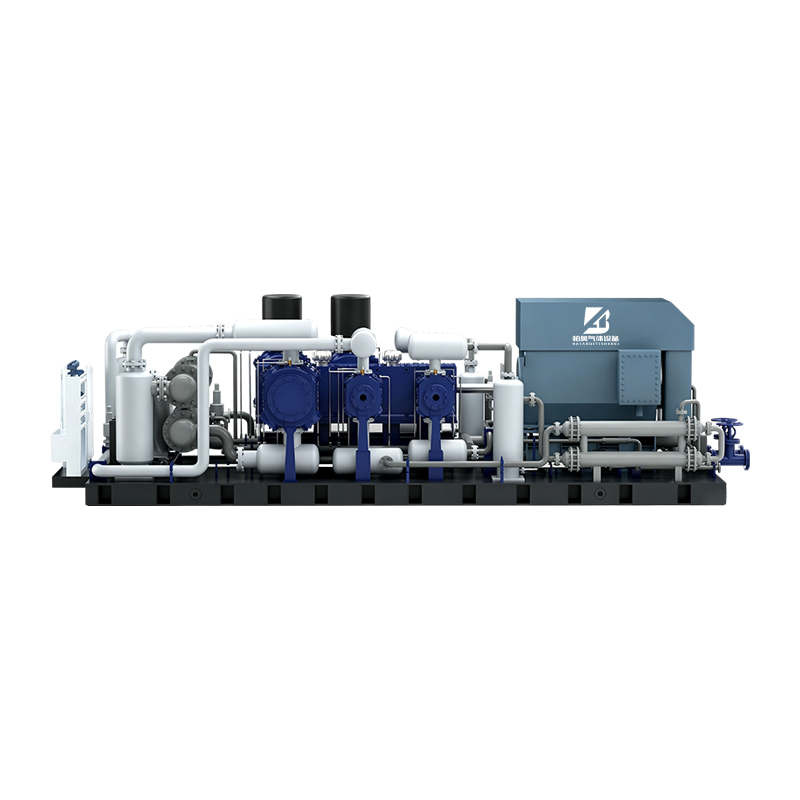
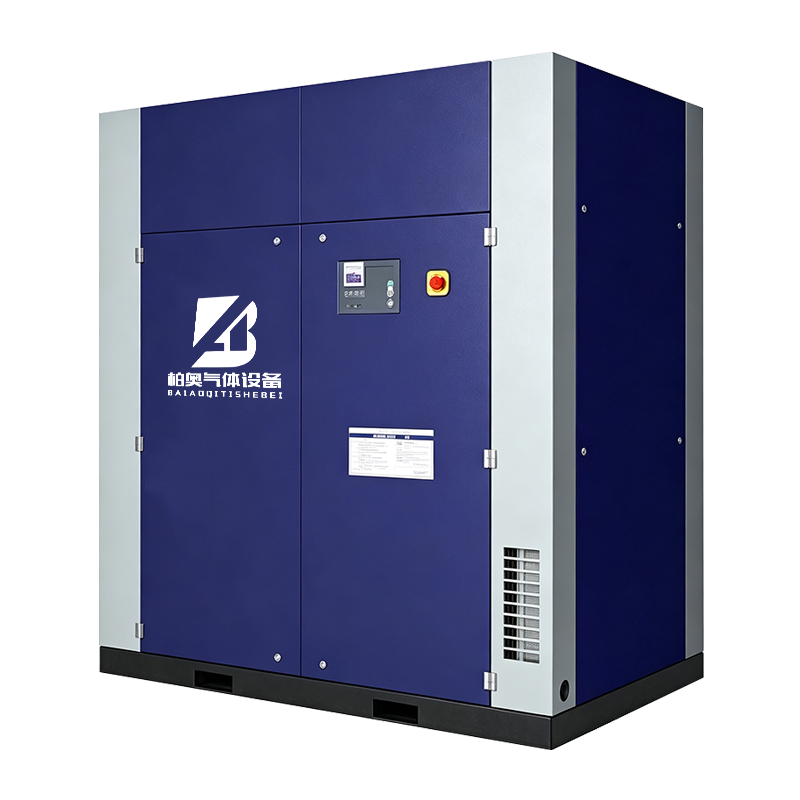
Nitrogen Protection Atmosphere in Petrochemical Plants: Why Explosion-Proof PSA Nitrogen Generation Has Become the Default Choice
The Pain Point Behind "Chemical Protection Atmosphere"
In hazardous chemical production, a chemical protection atmosphere refers to the low-oxygen environment maintained inside storage tanks, reactors and pipe racks to keep flammable vapors from reaching a combustible concentration. This is not optional — it is a baseline safety requirement wherever solvents, intermediates or feedstocks are flammable or thermally unstable. What varies enormously between plants is how reliably that protection atmosphere is maintained, and that reliability is where most procurement decisions are actually won or lost.
Plants that depend on delivered nitrogen — cylinders or bulk liquid trucked in from a third-party supplier — are exposed to a risk that has nothing to do with their own operations: a delayed delivery, a logistics disruption, or a supplier production issue. Because a continuous protection atmosphere cannot be paused, a supply gap forces operators into a difficult choice between an unplanned shutdown or running with a degraded safety margin. For a large refining, coal-chemical or petrochemical unit, the cost of even a few hours of lost production from an avoidable nitrogen shortage typically dwarfs the price difference between a purchased-gas contract and an on-site generation system. This is the core reason the industry has steadily moved toward on-site explosion-proof PSA nitrogen generators and nitrogen plants: they remove a variable that is largely outside the plant's control.
PSA vs. Cryogenic Air Separation — Choosing the Right Technology
Two technology routes dominate industrial nitrogen and oxygen production. Pressure Swing Adsorption (PSA) uses carbon molecular sieve beds to selectively adsorb oxygen from compressed air at near-ambient temperature, producing nitrogen at purities suited to most inerting and blanketing duties. Cryogenic air separation liquefies air and separates it by fractional distillation at very low temperature, and remains the standard choice where a plant needs large, continuous volumes of nitrogen, oxygen and argon simultaneously, or where extremely high purity is required.
For most petrochemical inerting, purging and fire-control applications, PSA nitrogen plants offer a practical balance of purity, footprint and operating cost, which is why explosion-proof PSA nitrogen generators are widely specified for hazardous-area protection atmosphere duty, while cryogenic units tend to serve larger, multi-gas demand at bigger integrated sites.
What "Explosion-Proof" Actually Needs to Cover
A common and costly mistake in equipment selection is treating "explosion-proof" as a label rather than a design requirement. Genuine explosion-proof (Ex-rated) design needs to extend to every electrical component, instrument and enclosure on the skid — not just the pressure vessel. When a nitrogen generator is installed near flammable process units, procurement and safety teams should confirm hazardous-area classification (zone rating) is matched correctly to the installation site, since a mismatch can create the very ignition risk the system is meant to prevent.
Where the Protection Atmosphere Is Actually Applied
On a working petrochemical site, nitrogen protection atmosphere duty is spread across several distinct scenarios, each with its own pressure, purity and flow requirements:
Inerting and explosion prevention. Continuous nitrogen injection into storage tanks, reactors, process areas and pipe racks dilutes flammable vapor and keeps oxygen concentration below the combustion threshold — the mandatory baseline safety measure referenced above.
Maintenance and turnaround protection. Before shutdown, hot work or vessel entry, nitrogen purging clears toxic and flammable residues from pipelines and equipment, preventing poisoning and explosion incidents during maintenance windows — typically the highest-risk period in a plant's operating cycle.
Fire control. Nitrogen can be injected into a fire zone to smother combustion and slow its spread, and having an on-site supply also reduces the need to stage and handle high-pressure cylinders on site, removing a secondary safety hazard.
Because these three duties often run at different purities and pressures at the same time, a system that can supply multiple points from a single plant — rather than several standalone units — is usually the more cost-effective specification.
What Buyers Should Compare Beyond the Quotation
Turndown flexibility. Petrochemical units rarely run at a single fixed load; a nitrogen plant that only performs efficiently at full output will waste energy, or fall short, whenever a downstream unit runs at partial capacity.
Total cost of ownership. Energy consumption per unit of gas produced, molecular sieve replacement intervals, and long-term spare parts availability generally matter more over a plant's operating life than the upfront price.
Redundancy and service response. Because an unplanned shutdown is expensive, many operators specify a backup train, or a defined field-service response commitment, rather than relying on a single generation unit with no fallback.
How Zhejiang Baiao Gas Equipment Co., Ltd. Supports This Industry
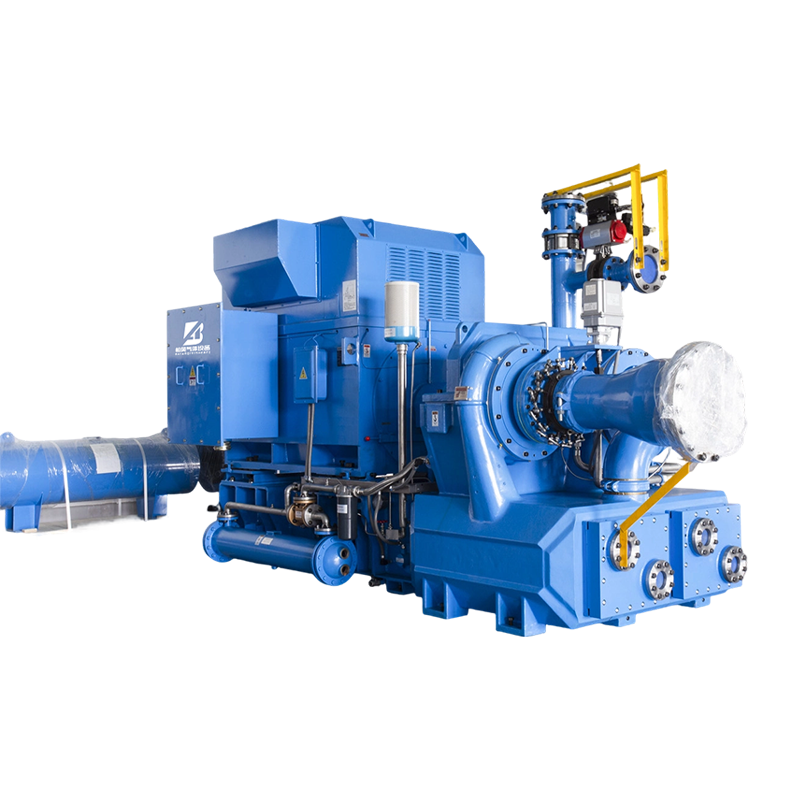
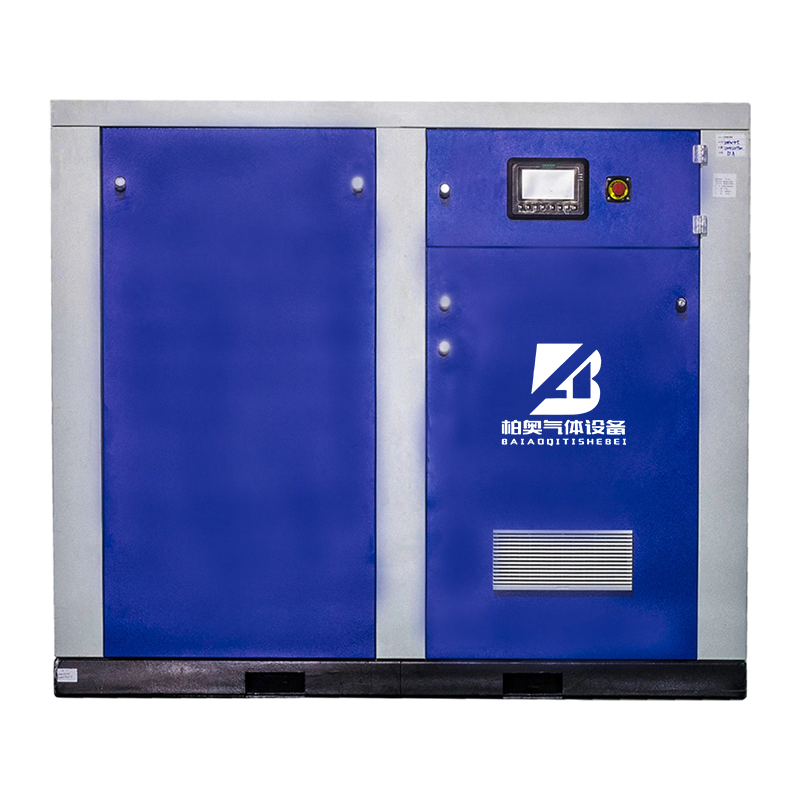
Zhejiang Baiao Gas Equipment Co., Ltd. engineers explosion-proof PSA nitrogen generators and air separation units built around continuous petrochemical duty — sized to actual turndown, purity and redundancy requirements rather than a single rated output figure. For the full breakdown of inerting, maintenance-purging and fire-control scenarios this equipment supports, see our petrochemical application page.
FAQ
Q: What nitrogen purity is typically needed for tank and reactor blanketing?
A: It depends on the flammability and oxidation sensitivity of the material being protected; different processes specify different oxygen-concentration limits, which is why gas purity, pressure and flow need to stay independently adjustable rather than fixed at one setting.
Q: Is PSA or cryogenic air separation the right choice for a petrochemical site?
A: PSA nitrogen plants generally suit inerting, purging and fire-control duty at practical purity levels and moderate footprint. Cryogenic air separation becomes the better fit when a site needs large, continuous volumes of nitrogen, oxygen and argon together, or purity beyond what PSA economically delivers.
Q: Does an explosion-proof rating apply to the whole system or just the vessel?
A: It needs to apply to every electrical component, instrument and enclosure on the unit, matched to the hazardous-area zone classification of the installation site — not just the pressure vessel.
Q: Why do plants move from purchased nitrogen to on-site generation?
A: Mainly to remove exposure to third-party delivery risk. Because a protection atmosphere cannot be paused, any supply gap forces a difficult choice between shutdown and reduced safety margin — a risk on-site generation is designed to eliminate.
Q: What should be checked besides the equipment's rated capacity?
A: Turndown performance at partial load, total cost of ownership (energy use, consumable replacement, spare parts), and whether redundancy or a service response commitment is included in the scope.
