 en
en русский
 Español
 عربى
عربى
Product Series
Gas Purification Equipment Factory
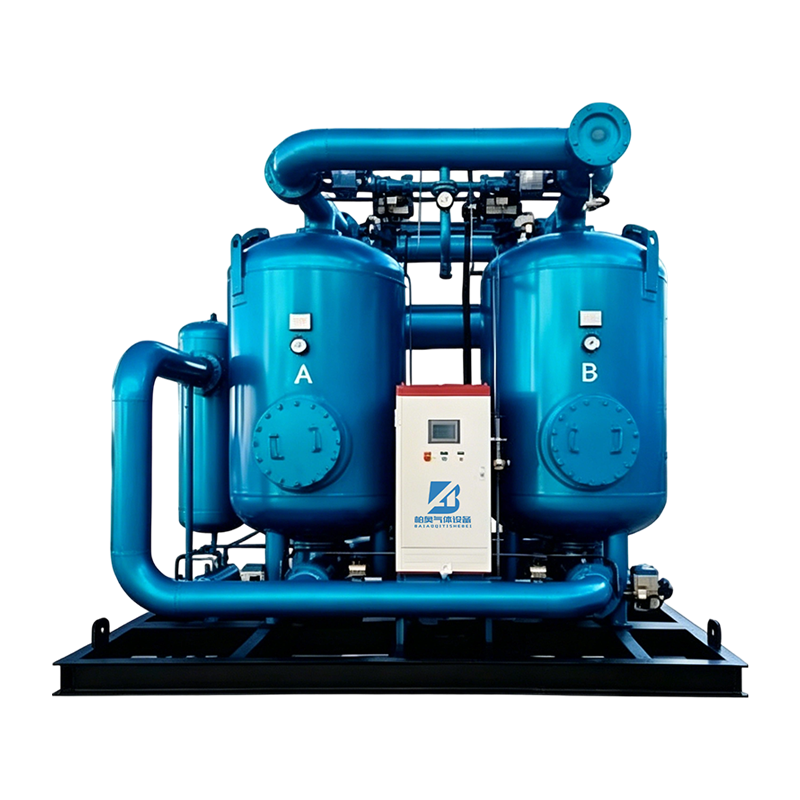
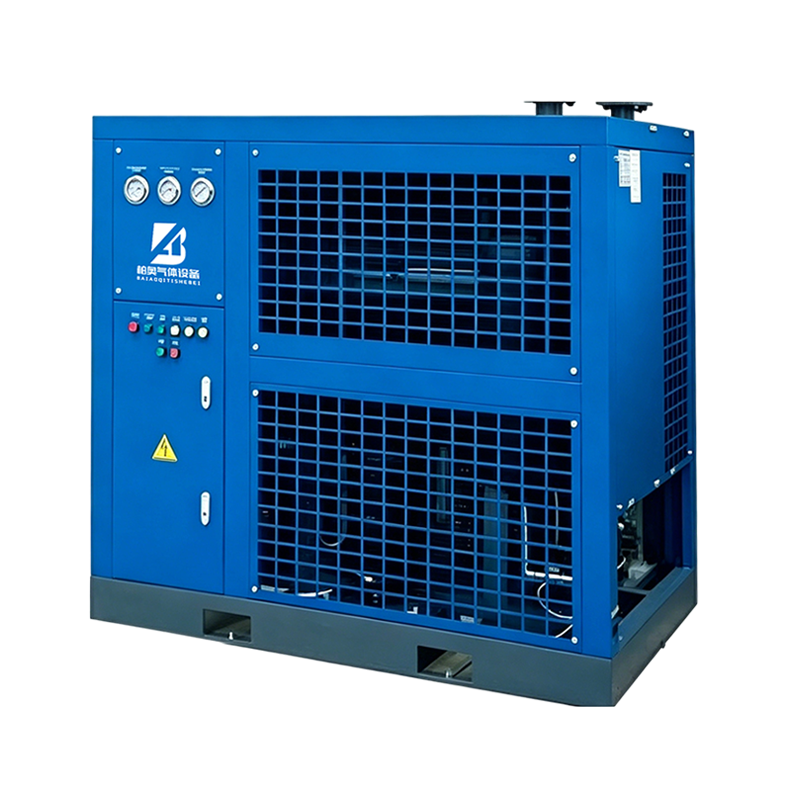
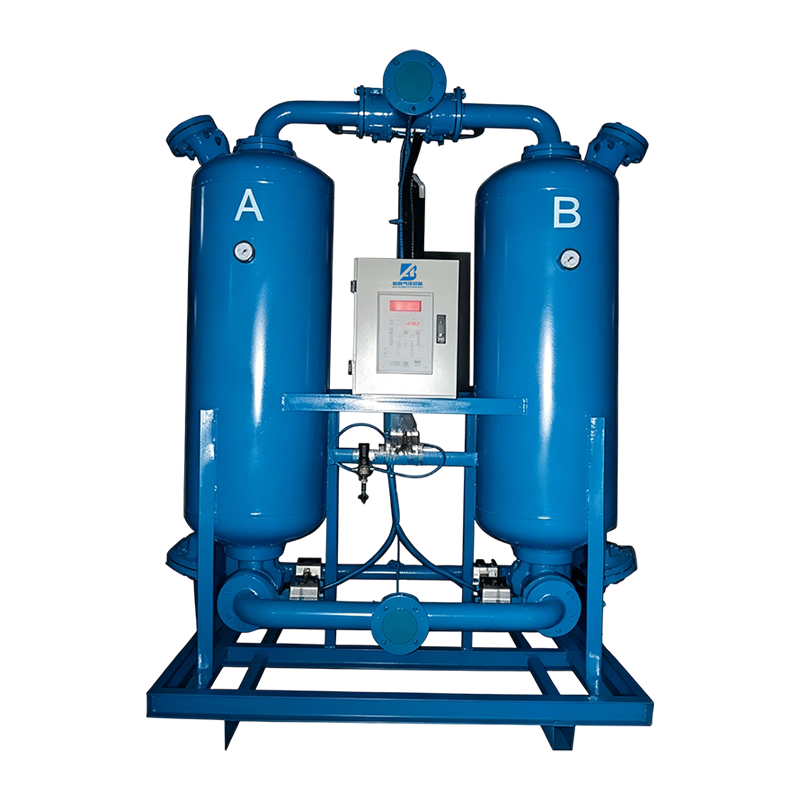
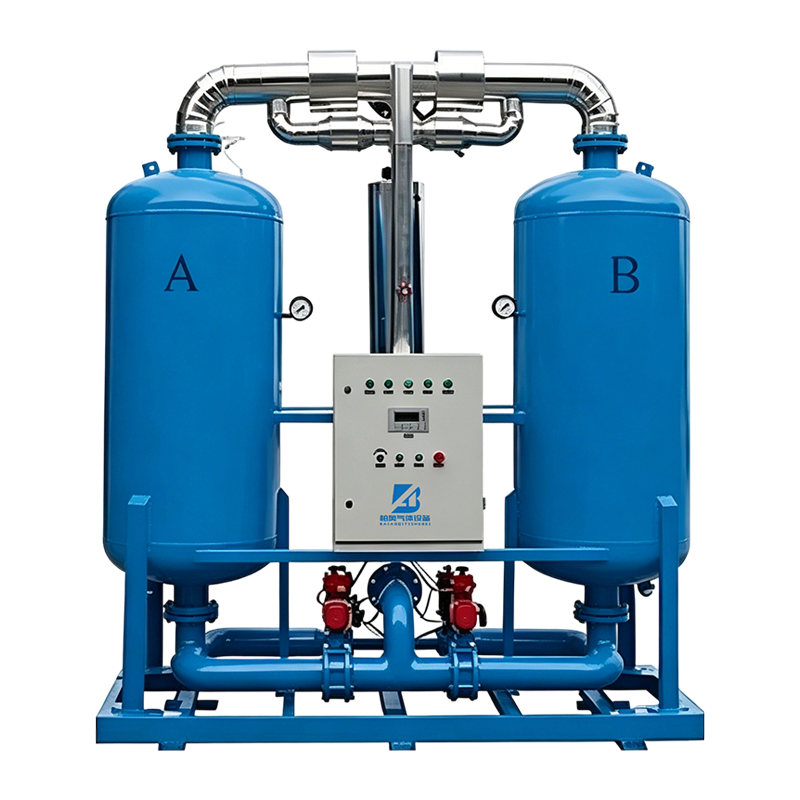
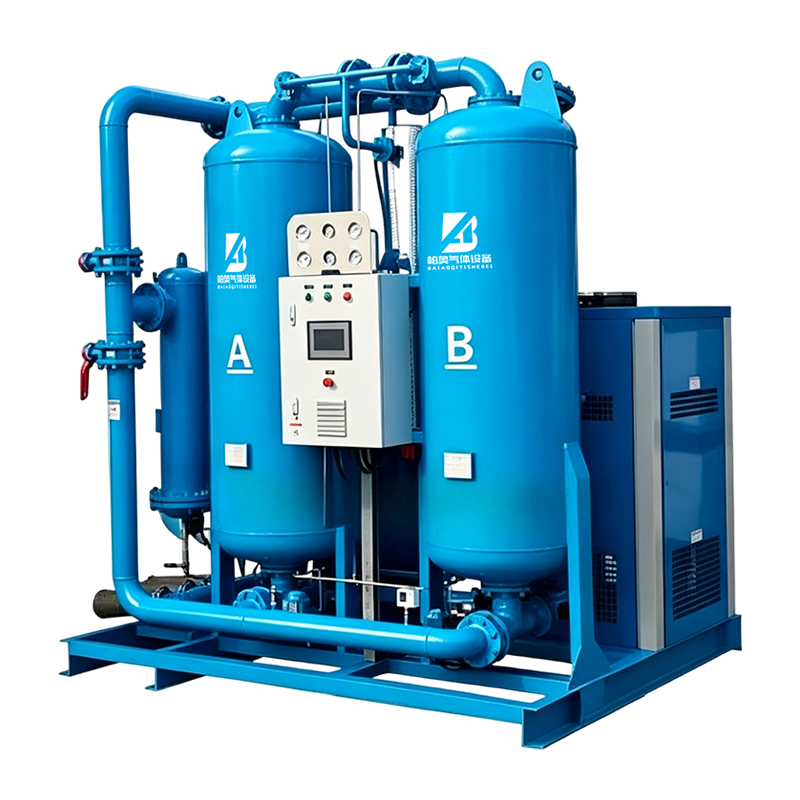
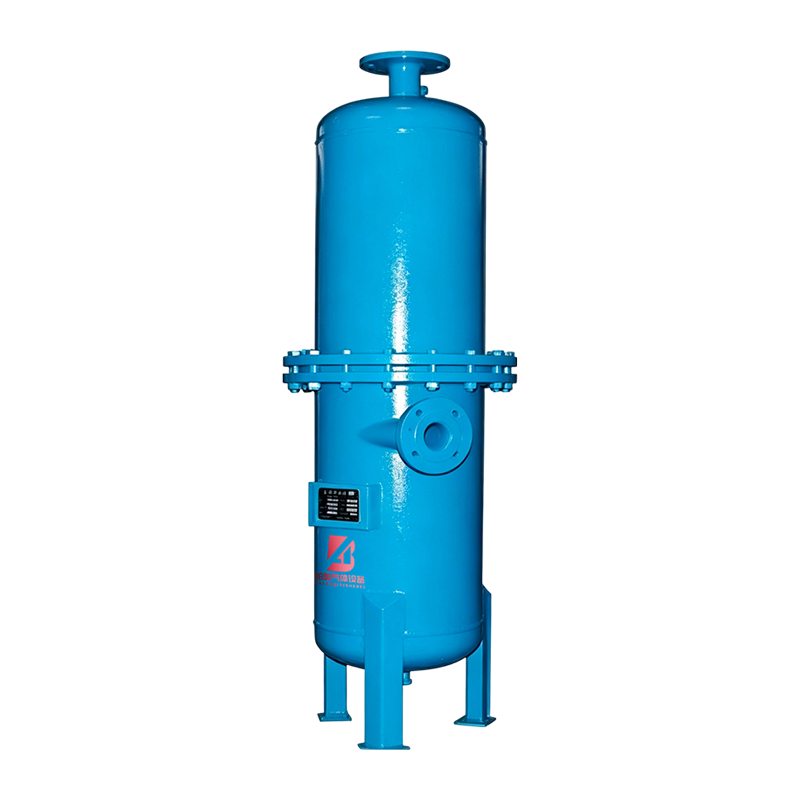
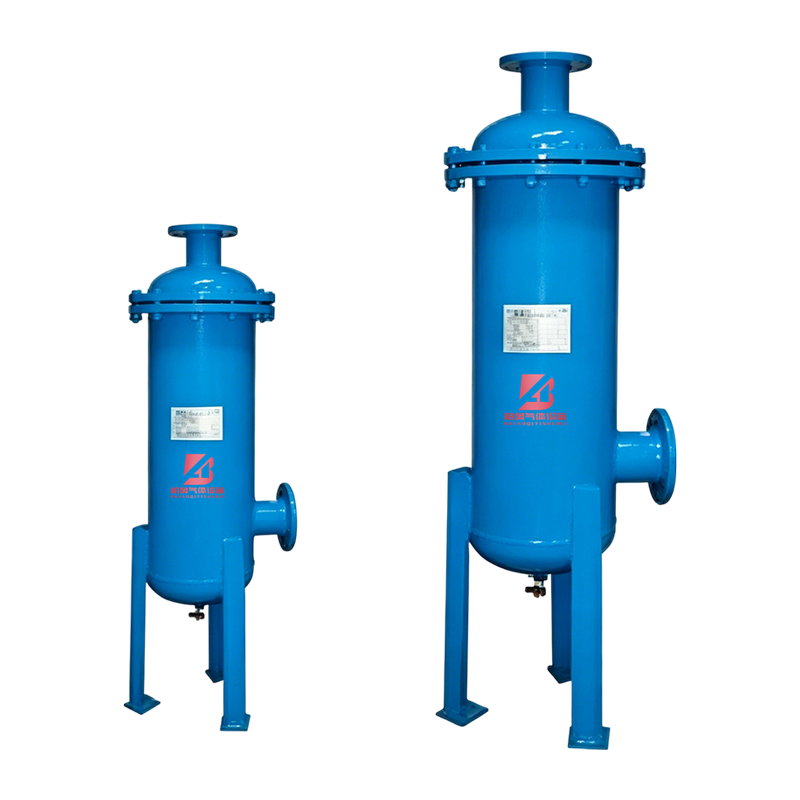
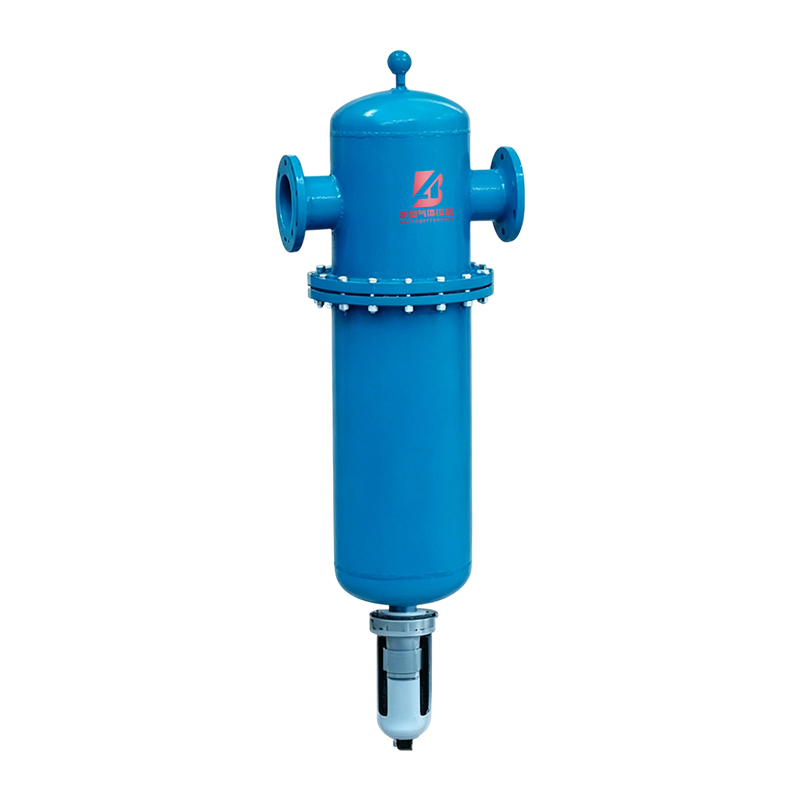
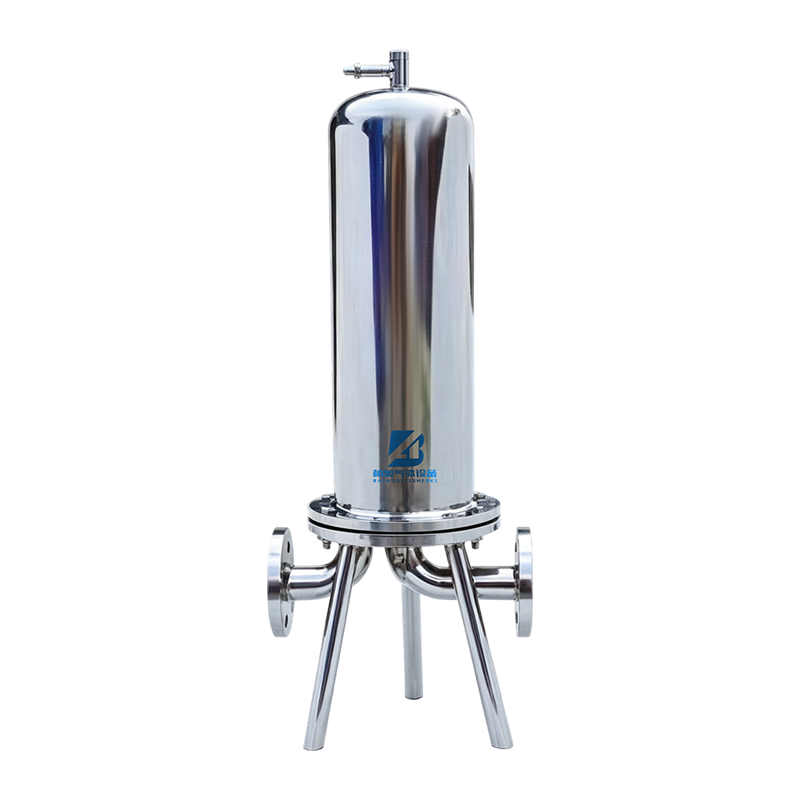
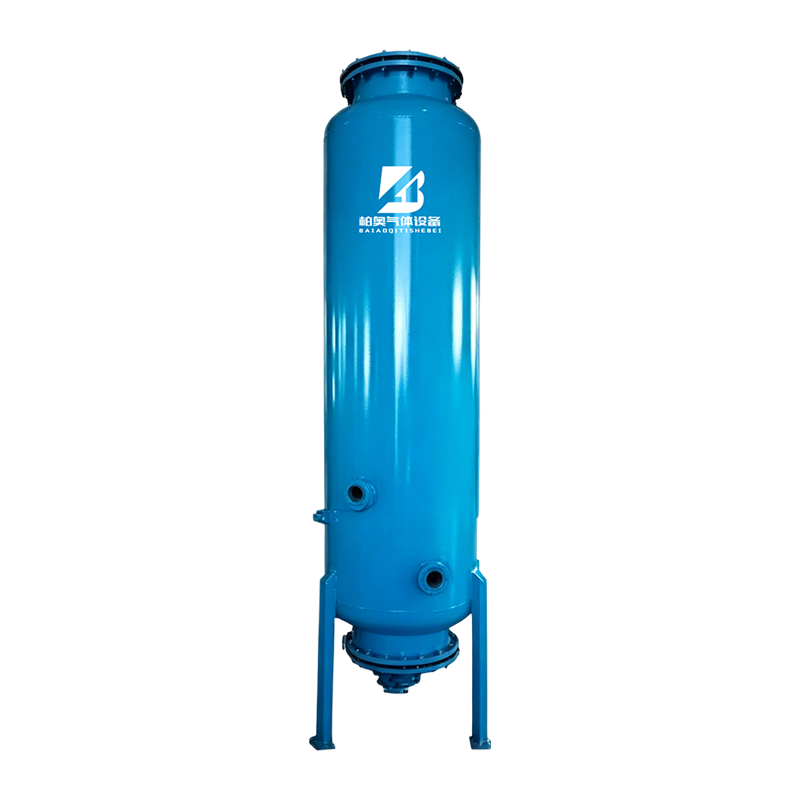
Our gas purification equipment is designed to remove trace impurities, water vapor and oxygen from industrial gases, upgrading conventional gas supplies to ultra-high purity grade. These systems are indispensable for industries requiring rigorous gas quality standards to avoid oxidation, safeguard delicate components and maintain stable production processes.
Ultra-High Purity Performance
It efficiently strips trace contaminants down to ppm grade, perfectly suited for high-specification scenarios such as electronic manufacturing (SMT), metal heat treatment and precision metallurgy.
Energy-Saving Design
Equipped with optimized catalytic and adsorption technologies, the equipment cuts gas waste and lowers power consumption during long-term continuous operation.
Seamless System Integration
The purification units can run independently or be coupled with existing PSA and membrane gas generators to form a full-set, cost-efficient gas supply system
Zhejiang Baiao Gas Equipment Co., Ltd.
Zhejiang Baiao Gas Equipment Co., Ltd. is located in Fuyang District, Hangzhou, with convenient location and good transportation access. We are a gas equipment manufacturer integrating R&D, design, production, and installation. As Custom Gas Purification Equipment Supplier and China Gas Purification Equipment Factory, Our facility covers a 3,000 sqm standardized workshop, a 500 sqm office area, and a 500 sqm warehouse, along with employee living facilities. Our team is lean and professional, with dedicated R&D and after-sales service personnel to ensure stable production and reliable project execution.
Our main products include gas separation and purification equipment, such as PSA nitrogen generators, PSA oxygen generators, membrane separation nitrogen/oxygen generators, QH/QC series nitrogen purification units, and ammonia decomposition hydrogen purification units. Our products are developed based on overseas technologies and optimized for domestic industrial conditions, offering a relatively complete product range.
Our equipment is used in industries such as petrochemical, textile, food processing, automotive manufacturing, heat treatment, and SMT precision electronics. Our sales network covers more than 30 provinces and cities across China.
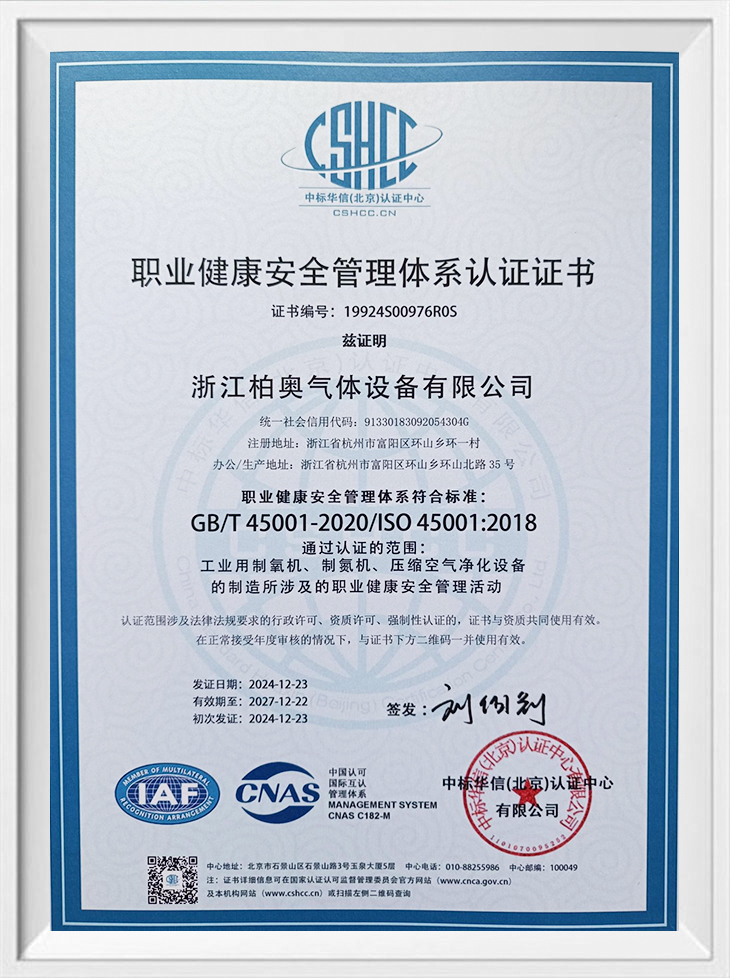
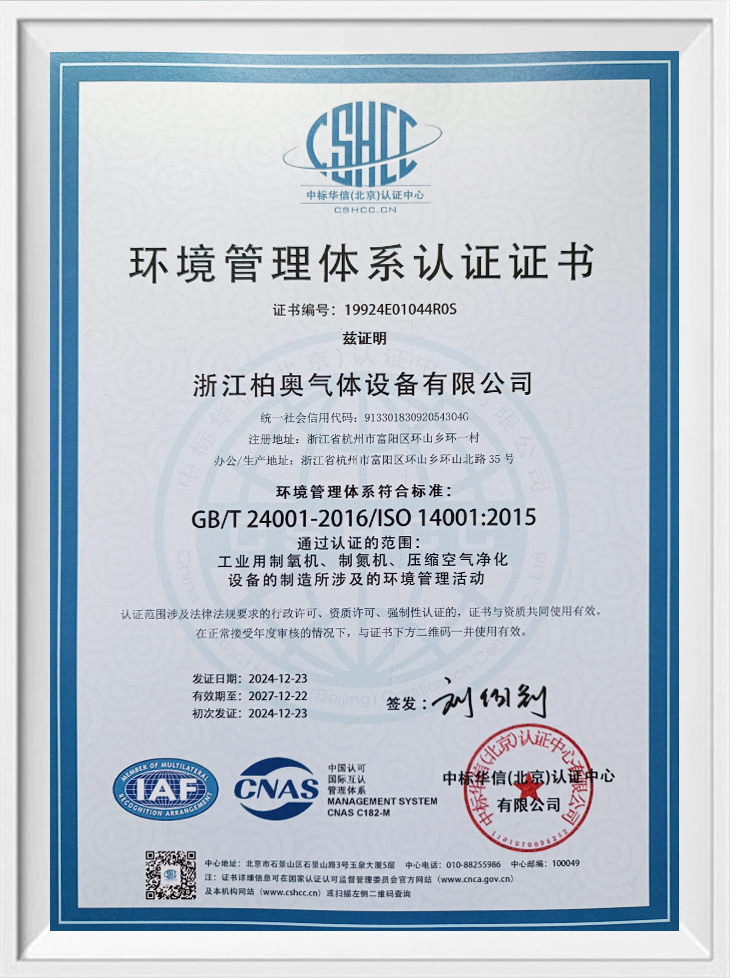
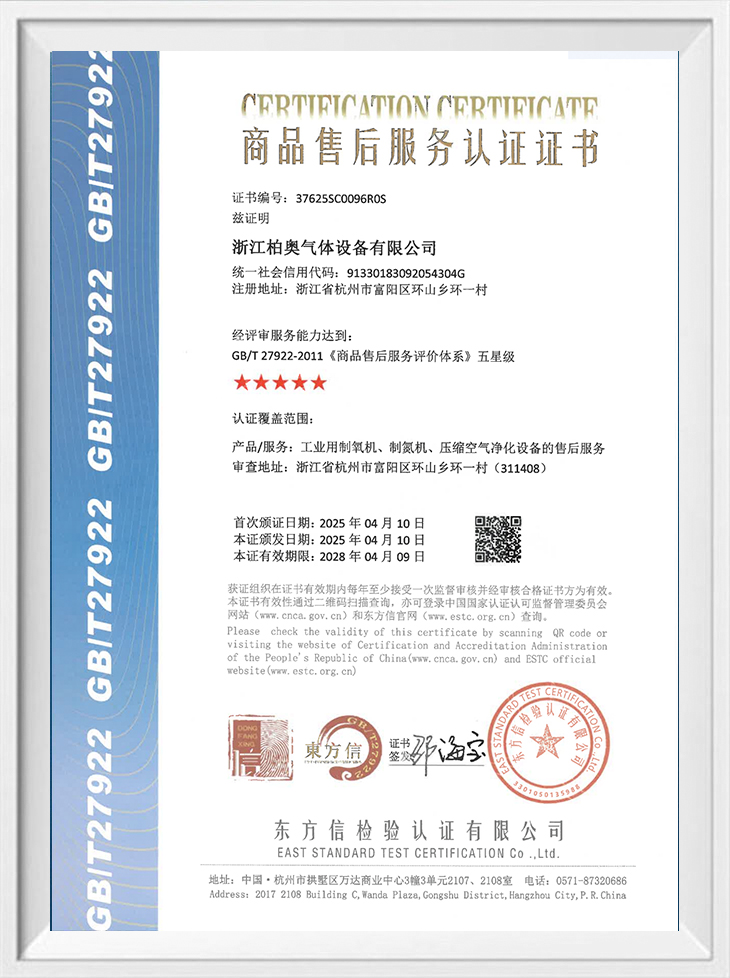
We focus on technical improvement, quality control, and integrity in business operations. Relying on our quality management system and sales service system, we provide stable gas equipment and supporting services to customers worldwide.
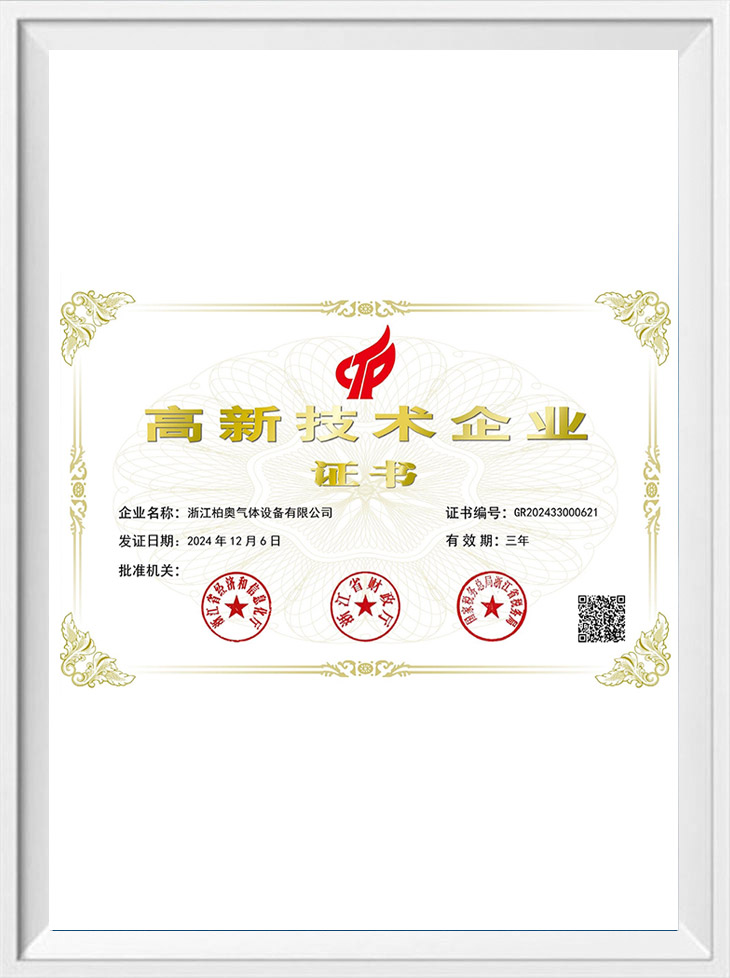
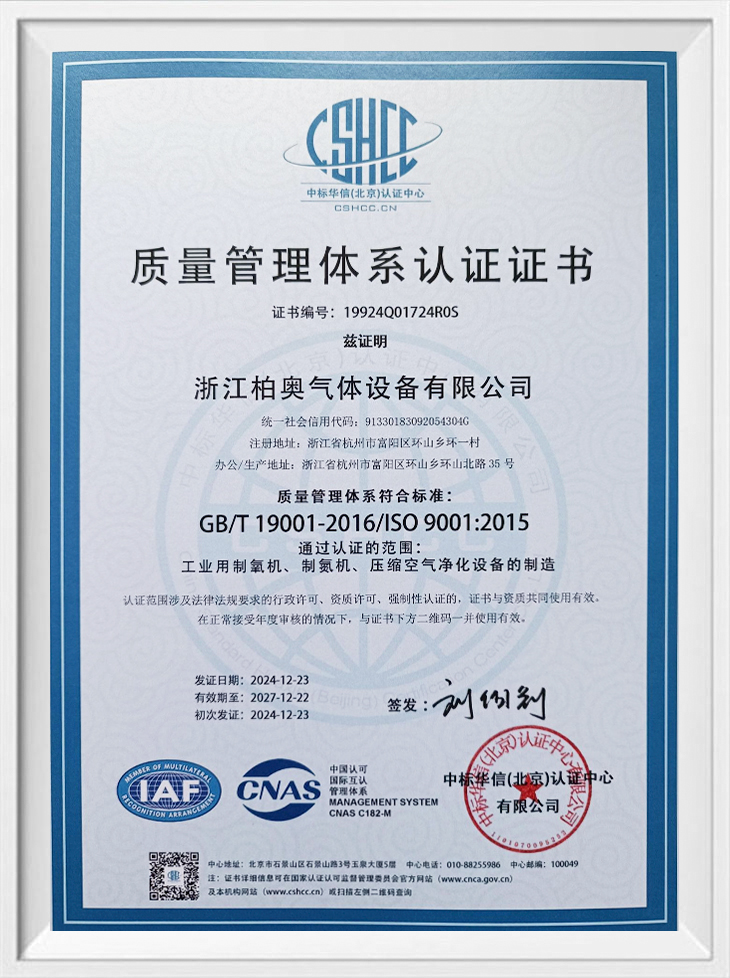
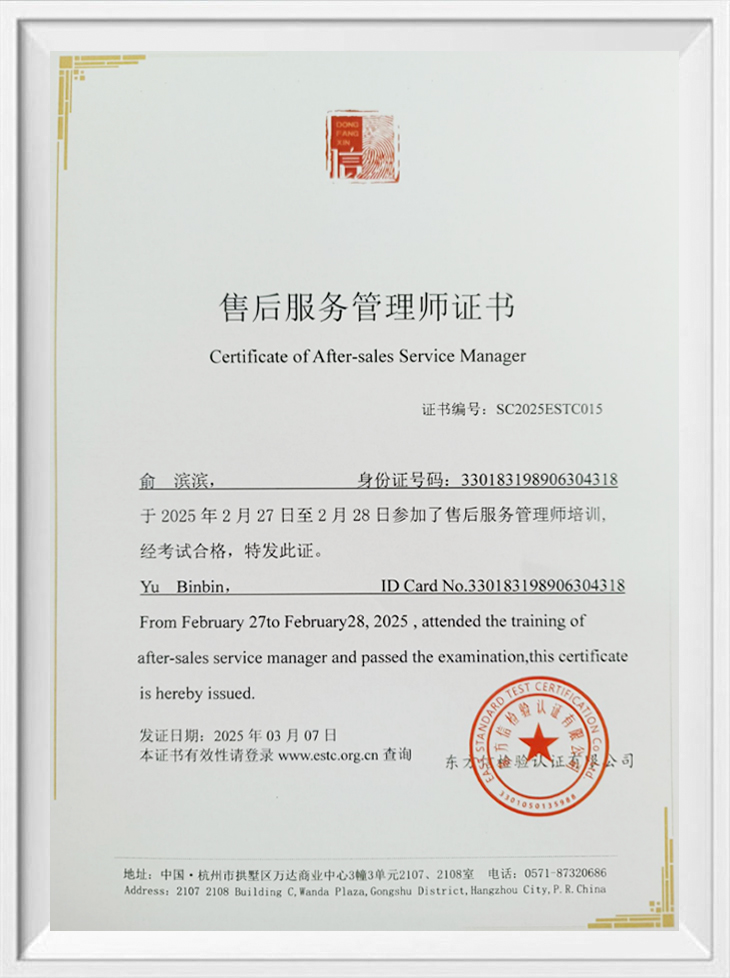
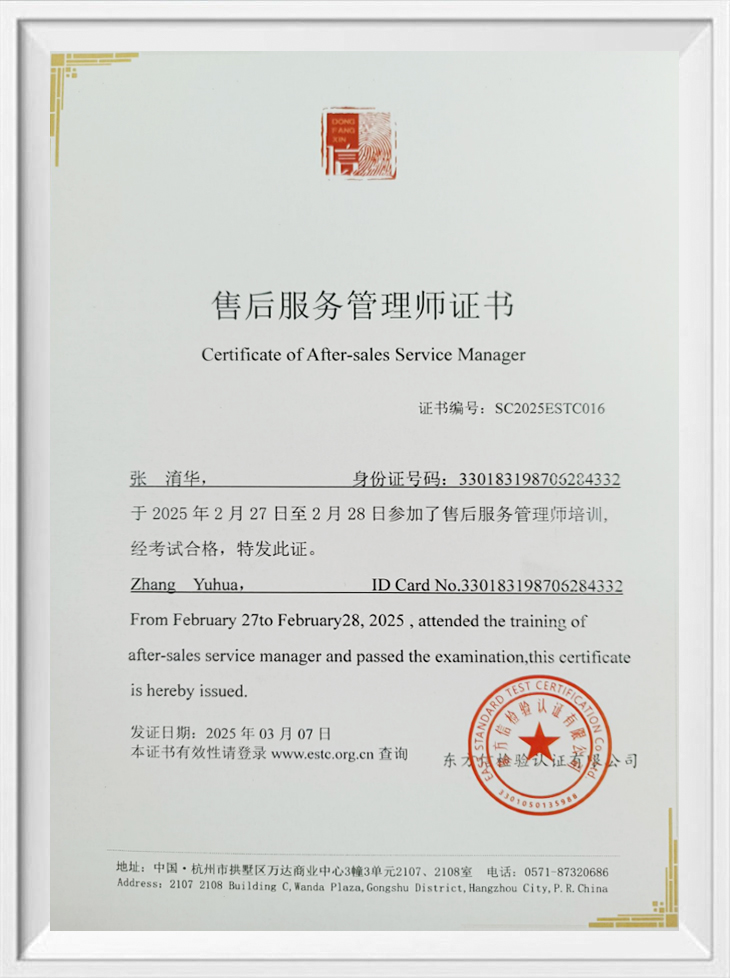
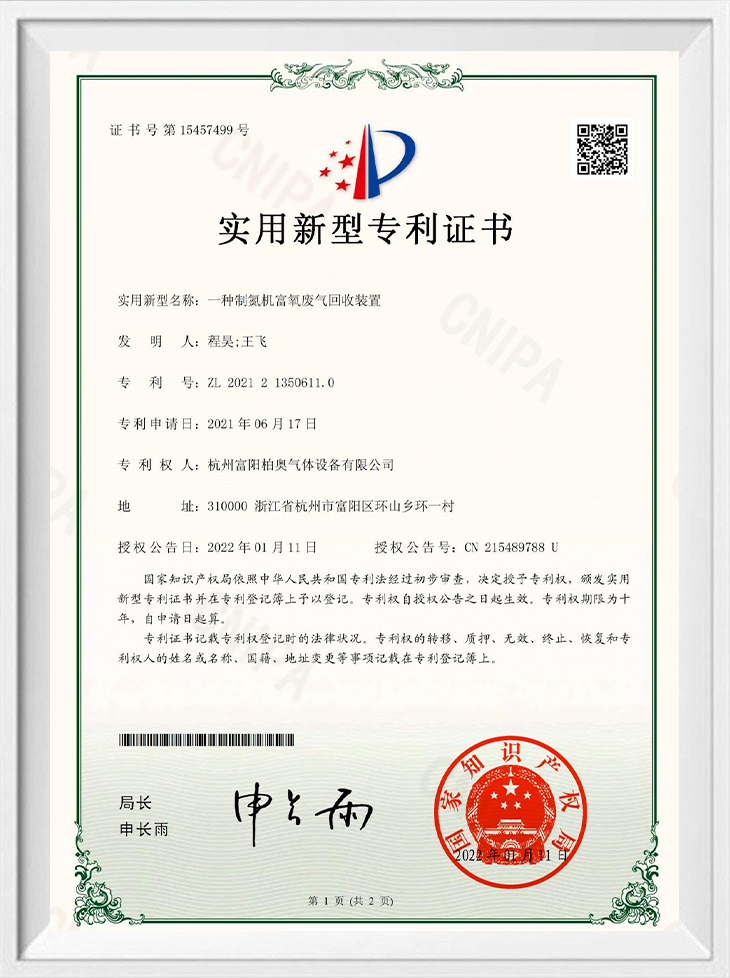
Certificate Of Honor
News & Insights
Stay updated with our latest developments and industry technology trends.
Message Feedback
Gas Purification Equipment Industry knowledge
Industry Knowledge: How Gas Purification Equipment Is Selected
Gas purification equipment sits between compression and end use, removing moisture, oil, and particulates so that compressed air — or the gas fed into a separation unit — meets the quality a process actually requires. The equipment on this page falls into two functional groups: dryers, which control moisture, and oil/particulate removal equipment, which controls contamination. The sections below outline how these groups differ and how they are typically matched to an application.
Refrigerated vs. Desiccant Dryers: Which One Removes More Moisture?
A refrigerated air dryer cools compressed air to condense out moisture, typically reaching a pressure dew point around 3°C (37–38°F) — sufficient for general workshop and utility compressed air in most indoor environments. A desiccant (adsorption) dryer uses a moisture-absorbing media bed instead of refrigeration, and can reach much lower dew points, commonly down to -40°C or -70°C, which is required for outdoor piping in cold climates, instrument air, or processes feeding a downstream air separation unit where residual moisture would otherwise shorten the service life of the separation media.
Heatless, Micro-Heat, or Blower-Type: How Do Adsorption Dryers Regenerate?
Adsorption dryers work in pairs of towers: while one tower dries the air, the other regenerates its desiccant bed, and the towers switch on a timed cycle. The three regeneration methods differ in how that regenerating tower is dried out. A heatless regenerative dryer uses a portion of the already-dried compressed air at ambient temperature to purge the offline tower — mechanically simple, but it consumes some of the system's own dried air output. A micro-heat dryer adds a small heating element to reduce that purge air consumption. A blower-type thermal regeneration dryer uses an external heater and blower instead of purge air entirely, which suits larger continuous-flow systems where minimizing compressed air loss matters more than equipment simplicity.
Oil Removers, Oil-Water Separators, and Filters: What Does Each Stage Do?
A high-efficiency oil remover coalesces fine oil aerosols carried over from oil-injected compression into larger droplets that can be drained off. An oil-water separator then processes that drained condensate, splitting it into an oil fraction and a water fraction so the water can be discharged in compliance with local wastewater regulations rather than drained untreated. Precision filters remove particulates down to sub-micron levels for general contamination control, sterilizing filters are rated to remove microorganisms for cleanroom or pharmaceutical-grade air, and activated carbon filters adsorb residual oil vapor and odor — typically the final stage where oil-free-grade air quality is required.
Matching Purification Equipment to an ISO 8573-1 Air Quality Class
Compressed air quality is commonly specified against ISO 8573-1, which sets classes for particulate count, pressure dew point, and residual oil content. A given class is rarely met by a single piece of equipment — it is usually the combined result of a dryer plus one or more filtration stages selected together. Because the required class varies by industry (electronics assembly, food packaging, and pharmaceutical production each set different tolerances), purification trains are typically configured rather than sold as one fixed bundle, which is why custom gas purification equipment configurations are common on projects with a specified air quality class to meet.
As a China gas purification equipment factory, Baiao configures dryers and filtration stages to a specified ISO class, and supplies them either as standalone systems or paired with its air separation units to form one integrated gas supply line.
Get In Touch
Follow Us
Quick Links
Product Category
Contact Us
- Tel: +86-15057127179
+86-13588382771 - Email: huang.yifan0215@gmail.com
- Address: Huanshan Township, Fuyang District, Hangzhou City, Zhejiang Province
Copyright © Zhejiang Baiao Gas Equipment Co., Ltd. All Rights Reserved.
Privacy
Custom Gas Purification Equipment Supplier
China Gas Purification Equipment Factory
