
 en
en русский
 Español
 عربى
عربى
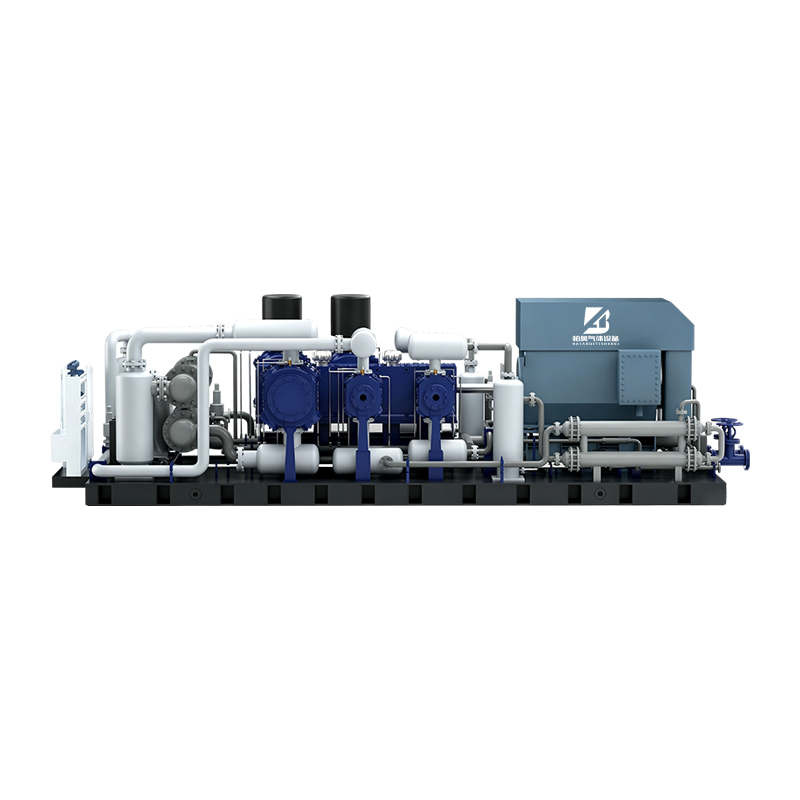
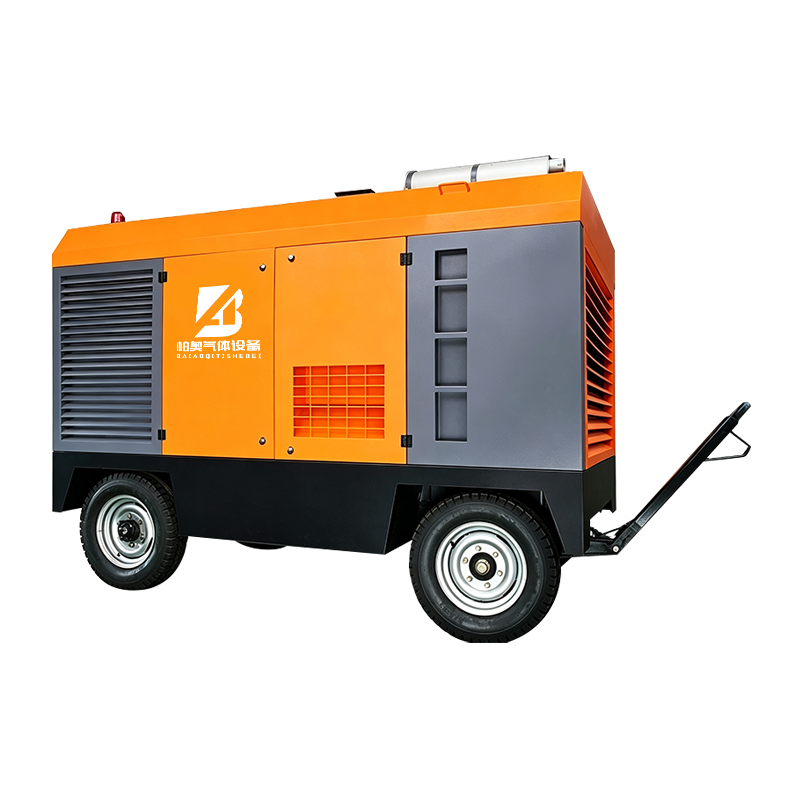
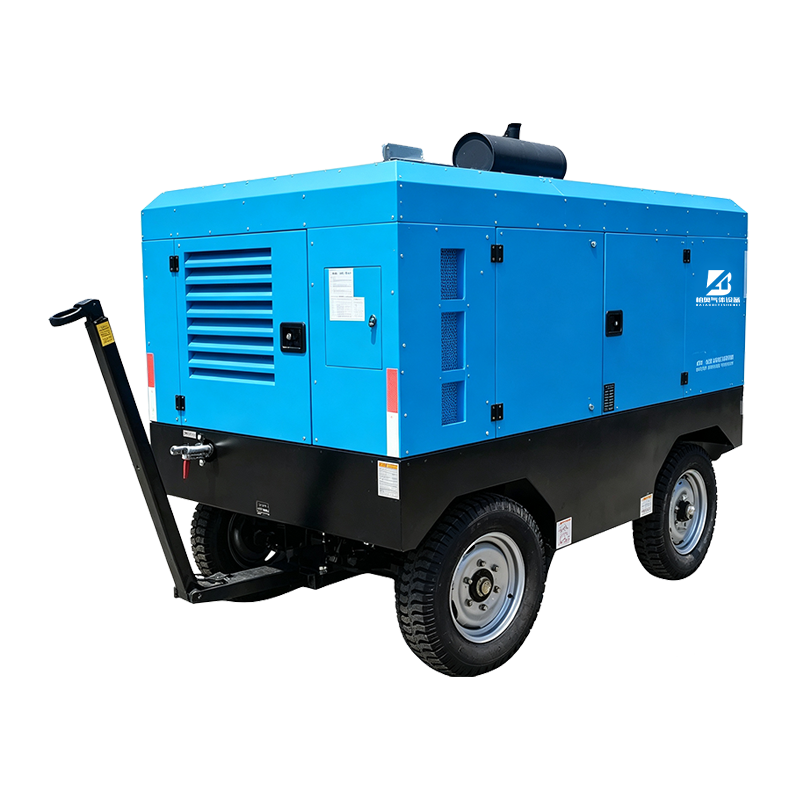
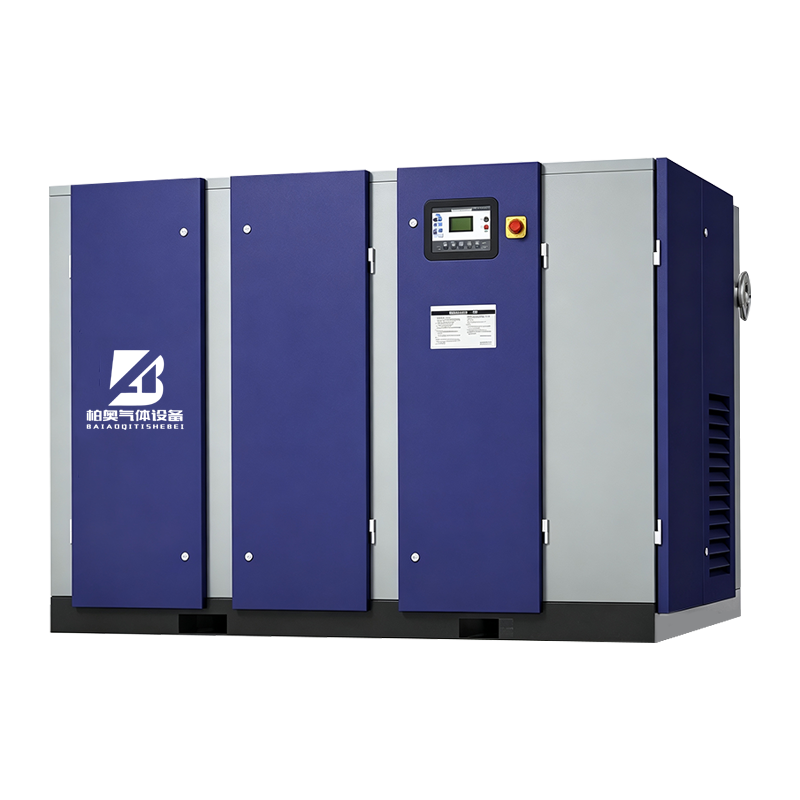
Industry Knowledge: Two Different Gas Roles Across Battery, PV, and Hydrogen Production
Lithium battery, photovoltaic, and hydrogen production sit under one "New Energy" heading, but they use nitrogen and oxygen for different reasons — the two columns below separate them out.
Lithium Battery Manufacturing
Electrode coating, winding, electrolyte filling, and cell sealing all need nitrogen to keep moisture and oxygen away from materials that degrade or become unstable when exposed to either — the same underlying requirement covered in more depth on this site's Automotive application page, since automotive battery dry rooms and this scenario share the same mechanism.
Cathode material sintering (lithium iron phosphate, ternary materials) instead needs oxygen — an oxidation step in forming the cathode structure itself, which is why this page lists oxygen and nitrogen under battery production rather than nitrogen alone.
Photovoltaic & Hydrogen
Silicon purification, wafer fabrication, and cell/module packaging in photovoltaic manufacturing use nitrogen as a protective atmosphere, functionally similar to its role in semiconductor cleanrooms elsewhere on this site — excluding oxygen and moisture from a process sensitive to both.
Hydrogen production, purification, and fuel cell processes involve oxidation steps that use oxygen. This is a narrower, more specialized use than the battery or PV nitrogen applications, and worth confirming against the specific process step involved rather than assuming standard oxygen supply parameters apply.
Frequently Asked Questions
Does a battery plant need both nitrogen and oxygen generation, or just nitrogen?
Both, if cathode material sintering happens on-site — nitrogen for the moisture/oxygen-sensitive assembly steps, and a separate oxygen supply for the sintering oxidation step, sized independently since they serve different parts of the line.
Is the nitrogen protection used in PV wafer fabrication the same equipment as electronics cleanroom nitrogen?
The same air separation technology applies, but sizing and purity should be specified against the PV process's own requirements rather than assumed identical to a semiconductor fab's.
