
 en
en русский
 Español
 عربى
عربى











Industry Knowledge: How the Same Two Gases Cover Eight Different Mining Scenarios
Eight scenarios sound like a lot of different equipment, but they reduce to nitrogen doing one job (excluding oxygen) and oxygen doing another (supplying it) — the difference between them is where and how each gas is delivered underground, not the gas itself.
| Scenario (as stated on this page) | Gas | Mechanism |
|---|---|---|
| Underground fire suppression | Nitrogen | Lowers oxygen in goafs and roadways below the level coal needs to spontaneously combust or re-ignite |
| Gas explosion prevention | Nitrogen | Dilutes methane and other flammable gas concentration below its explosive limit in gas-enriched areas |
| Dust explosion prevention | Nitrogen | Inert atmosphere in crushing/conveying denies the oxygen a dust explosion needs to propagate |
| Equipment & pipeline maintenance | Nitrogen | Purges residual flammable or toxic gas from a pipeline or vessel before hot work or entry |
| Confined area sealing | Nitrogen | Blankets a sealed goaf or hazardous roadway to isolate it from air and stop gas migration outward |
| Oxygen supplementation underground | Oxygen | Raises breathable oxygen in poorly ventilated deep or high-altitude workings to prevent hypoxia |
| Emergency rescue oxygen | Oxygen | Standby life support for refuge chambers and rescue operations following an incident |
| Mineral processing & gold extraction | Oxygen | Intensifies oxidation reactions in leaching and flotation, driving more of the target metal into recoverable form |
Scenarios above are as published on this page; the mechanism column is added here.
Why Gas Injection, Not Water or Foam, Is the Default for Goaf Fire Suppression
A goaf or abandoned roadway prone to spontaneous combustion is usually not physically accessible the way a surface fire is — there's no direct line for water or foam application, and the void itself may be structurally unstable. Nitrogen can instead be piped or injected remotely into the sealed area from a borehole or existing access point, displacing the oxygen the combustion reaction needs without anyone entering the space. This is why on-site nitrogen generation paired with a distribution pipeline into known goaf locations is standard practice, rather than adapting surface firefighting methods underground.
Oxygen's Two Very Different Roles on This Page
It's worth separating two uses of on-site oxygen that look similar but serve different purposes. Supplementing breathable air for workers in poorly ventilated zones, and emergency rescue oxygen, are both about human physiology — restoring a safe partial pressure of oxygen for someone to breathe. Oxygen injection in mineral processing is a process-chemistry application instead: it's about accelerating oxidation reactions in ore leaching and flotation at industrial flow rates, not about anyone breathing it. The two uses call for different delivery points, flow profiles, and monitoring even though the underlying gas is the same.
Frequently Asked Questions
Can on-site gas generation run at a mine site with no grid power?
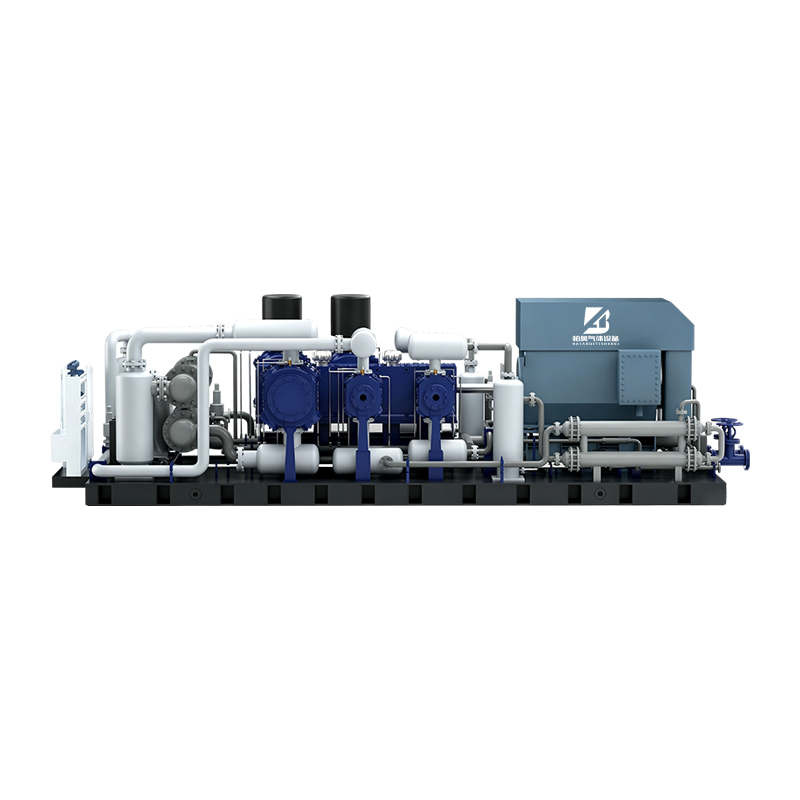
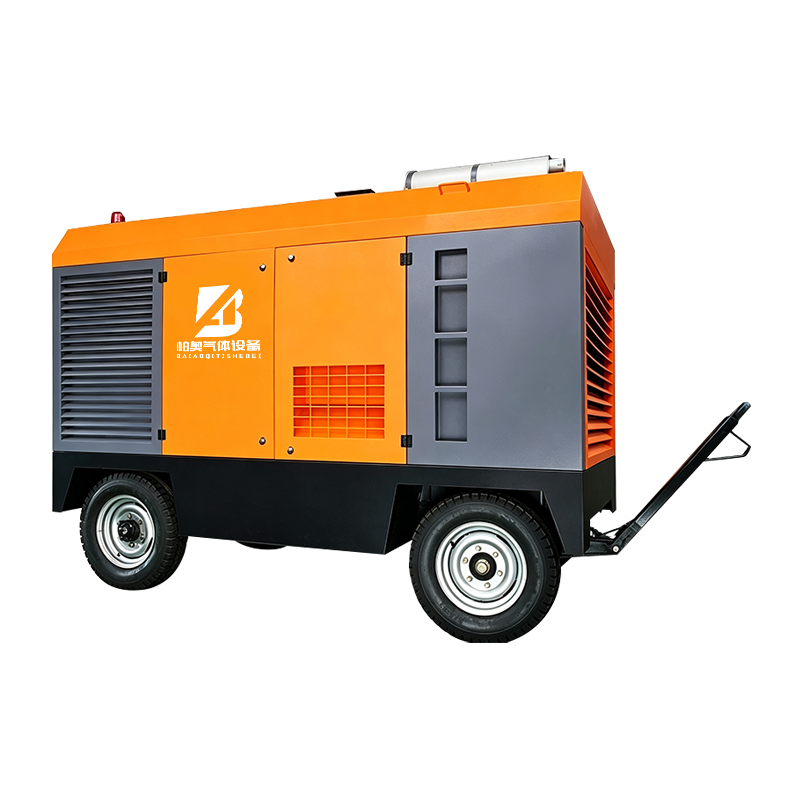
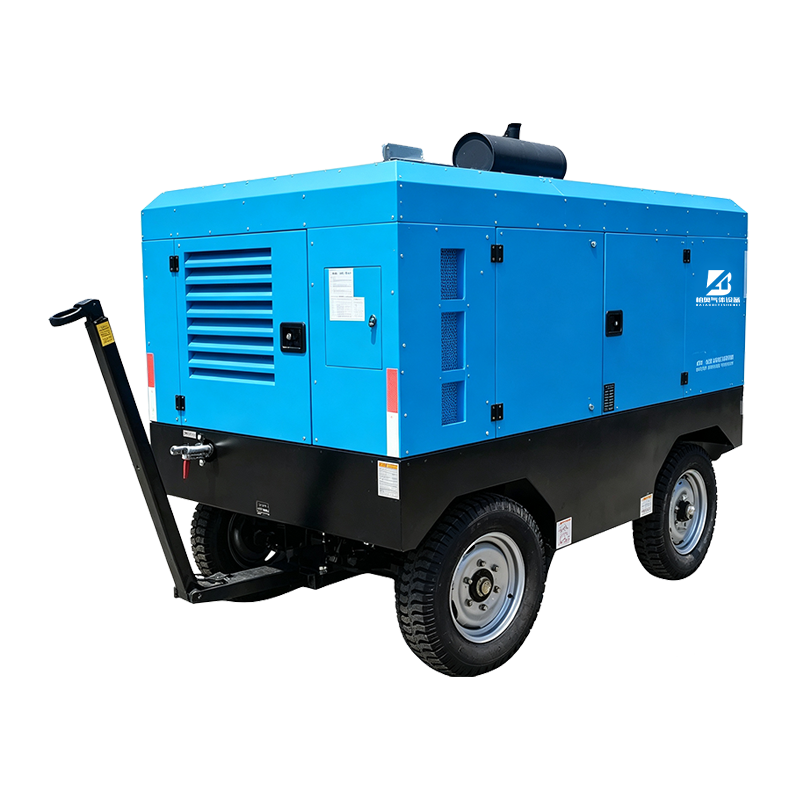
Yes — an air separation unit still needs a compressed air feed, which can come from a diesel-driven portable compressor at sites without mains power, rather than requiring a grid connection before on-site nitrogen or oxygen generation is viable at all.
Should emergency rescue oxygen be generated on demand or stored?
Stored. Emergency response needs immediate access, so rescue oxygen is normally held in cylinders or buffer tanks that are kept topped up by the on-site generator, rather than relying on live generation at the moment of an incident.
Does the same equipment supply both underground fire-suppression nitrogen and process oxygen for ore processing?
Not from a single generator — nitrogen and oxygen PSA systems are separate units, each sized for its own application's flow rate and duty cycle, so a site running both underground fire suppression and mineral processing typically installs both rather than one dual-purpose system.
