 en
en русский
 Español
 عربى
عربى
Membrane Nitrogen Generation for Efficient Industrial Gas Supply
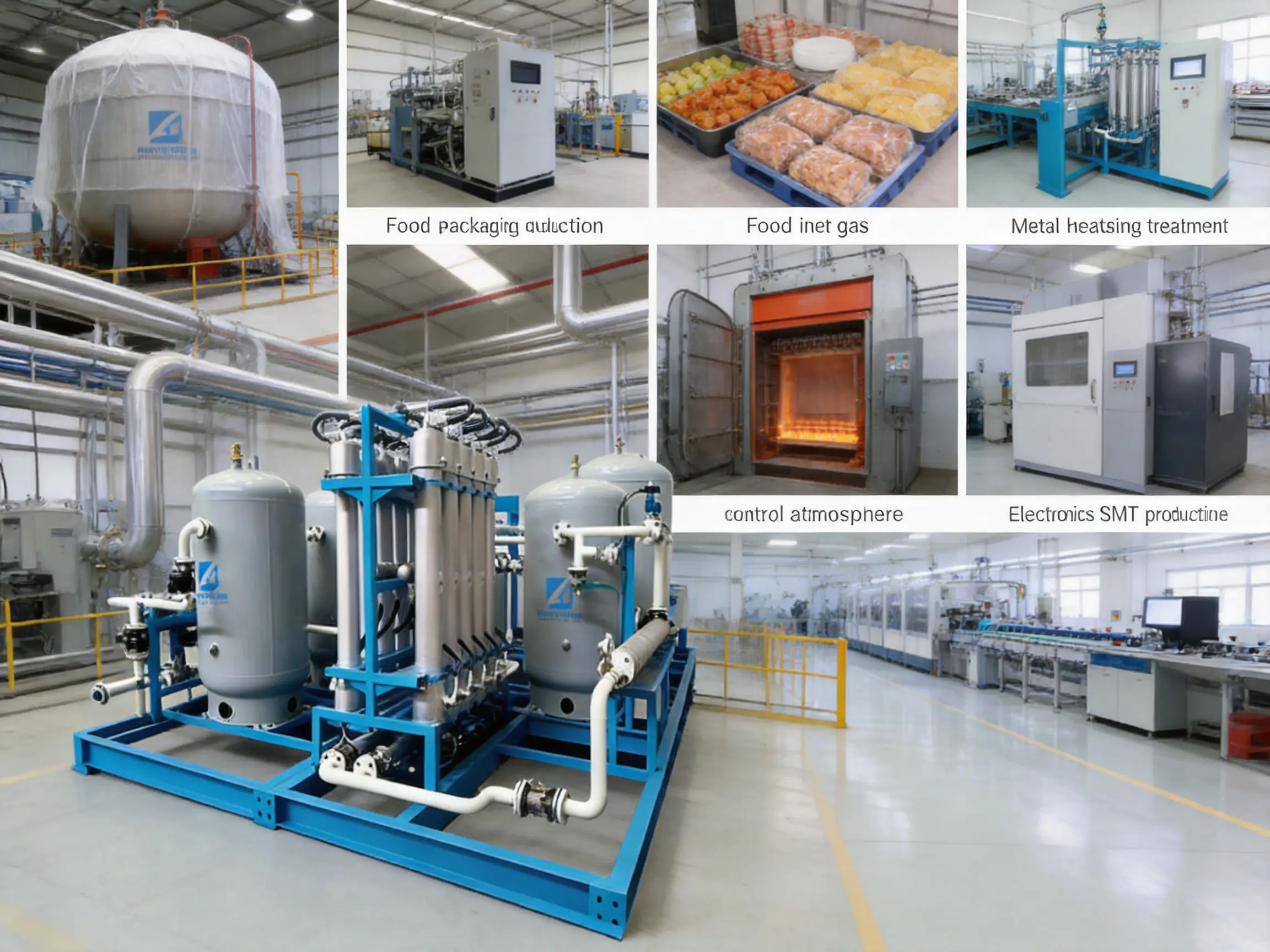
Industrial users increasingly need a dependable nitrogen supply for processes that require oxygen reduction, oxidation prevention, moisture control, inerting, blanketing, purging, and controlled-atmosphere operation. Traditionally, nitrogen has been supplied in cylinders, liquid form, or through large centralized generation plants. These options can be effective, but they may also involve transportation, storage, supply scheduling, vaporization equipment, or higher operating costs. A membrane nitrogen generator provides another solution: it produces nitrogen directly at the point of use by separating compressed air through selective membrane modules.
The BAM Membrane Separation Nitrogen Generator is designed for industrial users that require a compact, automatically controlled, and scalable nitrogen production system. It uses membrane separation technology to enrich nitrogen from compressed air while allowing faster-permeating gases, primarily oxygen and hydrogen, to pass preferentially through the membrane. Nitrogen and argon, which permeate more slowly under the operating conditions, remain concentrated on the product-gas side.
The equipment is available across a broad production range, from small systems rated at approximately 5 Nm³/h to larger configurations reaching several thousand normal cubic meters per hour. Depending on the selected model and operating conditions, nitrogen purity can be adjusted from 95% to 99.9%. The system can also be integrated with compressed-air purification, buffering, monitoring, and downstream gas distribution equipment.
For industrial gas users, the value of membrane generation is not limited to gas separation alone. A successful system must combine suitable membrane materials, reliable air pretreatment, accurate flow control, stable pressure management, intelligent automation, clean manufacturing, and responsive technical support. Zhejiang Baiao Gas Equipment Co., Ltd. develops and manufactures gas separation and purification equipment with these requirements in mind.
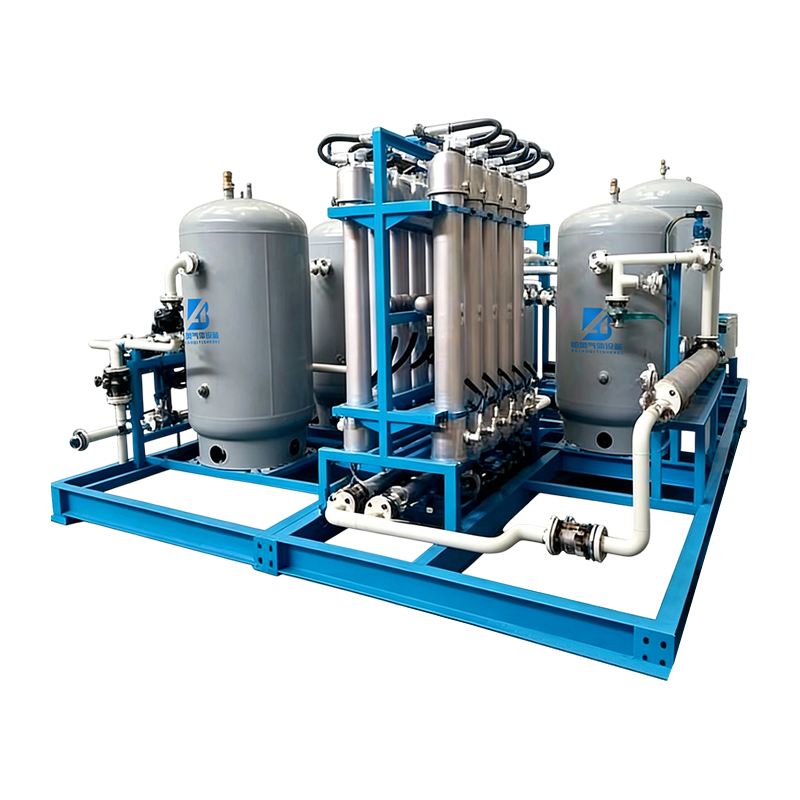
BAM Membrane Separation Nitrogen Generator
Content
- 1 1. The Role of Nitrogen in Modern Industry
- 2 2. Product Overview
- 3 3. Membrane Separation Working Principle
- 4 4. Air Pretreatment and Gas Quality Protection
- 5 5. Purity, Flow, Pressure, and Dew Point
- 6 6. Product Models and Capacity Options
- 7 7. Advantages Compared with Conventional Nitrogen Supply
- 8 8. Manufacturing Strengths and Process Control
- 9 9. Engineering and Installation Considerations
- 10 10. Operation, Maintenance, and Service Life
- 11 11. Application Areas
- 12 12. How the System Compares with PSA and Cryogenic Alternatives
- 13 13. Selecting the Correct Configuration
- 14 14. Sustainability and Operating Efficiency
- 15 15. Quality Assurance and Customer Support
- 16 16. Practical Benefits for Industrial Buyers
- 17 17. Frequently Asked Questions
- 17.1 Q1. What is the main function of the membrane nitrogen generator?
- 17.2 Q2. What nitrogen purity can the system provide?
- 17.3 Q3. How quickly can the generator supply nitrogen?
- 17.4 Q4. Does the system require an air compressor?
- 17.5 Q5. Why is air pretreatment necessary?
- 17.6 Q6. Can nitrogen purity be adjusted during operation?
- 17.7 Q7. What is the expected membrane service life?
- 17.8 Q8. Is the equipment suitable for small factories?
- 17.9 Q9. Can production capacity be expanded?
- 17.10 Q10. What industries can use this equipment?
- 17.11 Q11. How should a customer choose between membrane and PSA technology?
- 17.12 Q12. What information is needed for a quotation?
- 18 18. Conclusion
- 19 References
- 20 Product: BAM Membrane Separation Nitrogen Generator
1. The Role of Nitrogen in Modern Industry
Nitrogen is chemically relatively inert under many industrial conditions. This makes it useful wherever atmospheric oxygen or moisture could damage products, create a safety risk, or interfere with a production process. Nitrogen can be used to displace oxygen from vessels, protect sensitive materials, reduce oxidation during heat treatment, preserve food packaging, and control the atmosphere around electronic components.
In petrochemical applications, nitrogen may be used for tank blanketing, pipeline purging, equipment maintenance, and inerting operations. In the food industry, it can help extend product shelf life by reducing oxygen exposure in packaging. In automotive manufacturing and metal heat treatment, nitrogen can provide a controlled atmosphere for processing, cooling, and surface protection.
Textile manufacturers may use nitrogen in specialized process environments, while SMT and electronics manufacturers require clean and stable gas for soldering and component protection. Different applications require different flow rates, purity levels, pressure conditions, and dew points. A nitrogen generation system therefore needs to be selected according to the complete operating profile rather than by purity alone.
On-site membrane generation offers several practical benefits. The user does not need to rely entirely on delivered cylinders or liquid nitrogen deliveries. The system can operate whenever compressed air and electrical power are available. Production can be matched to actual demand, reducing unnecessary inventory and minimizing the logistical burden associated with packaged or cryogenic gas.
2. Product Overview
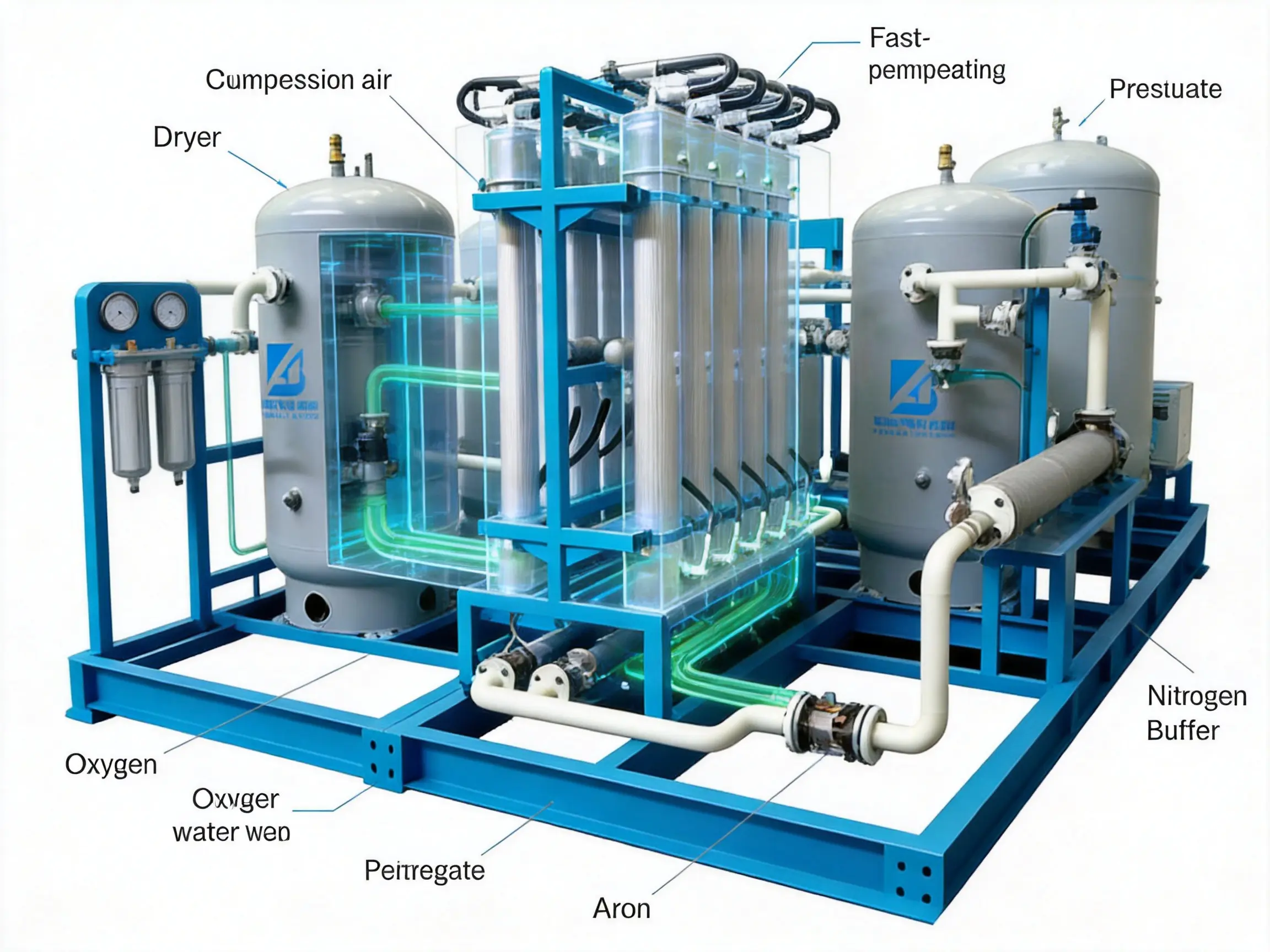
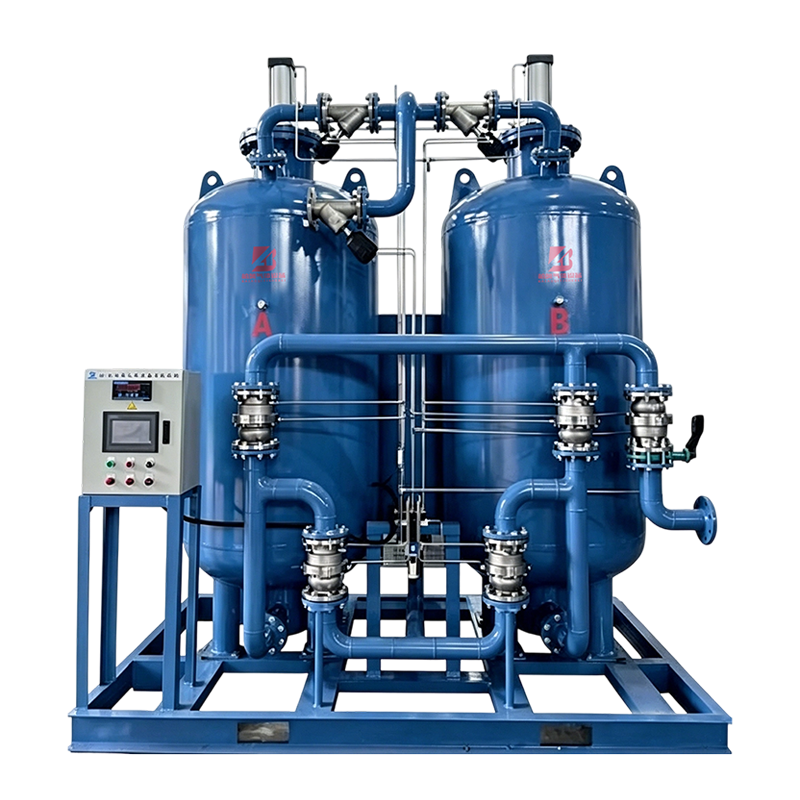
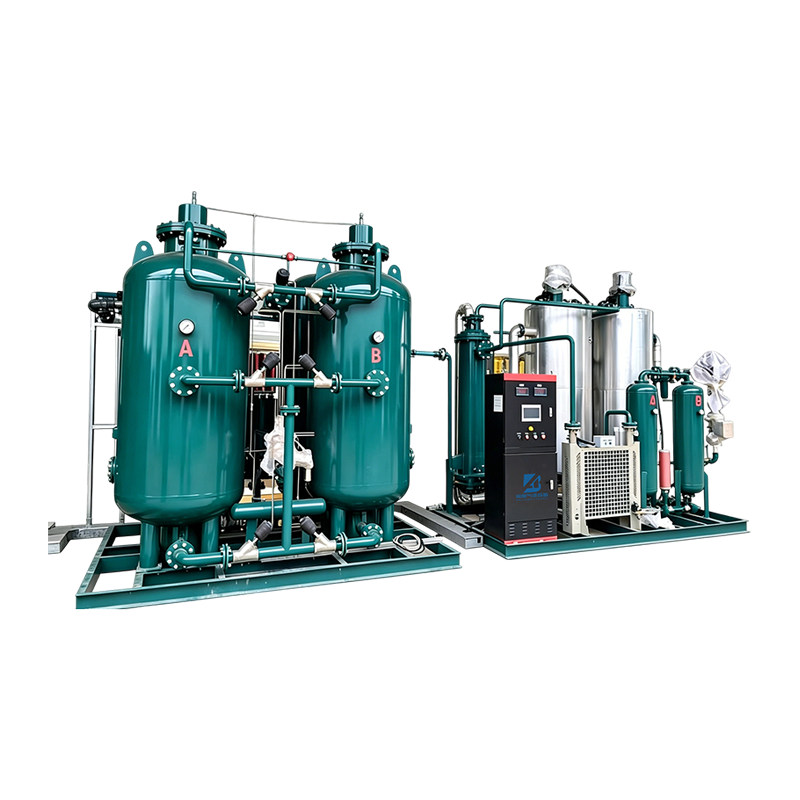
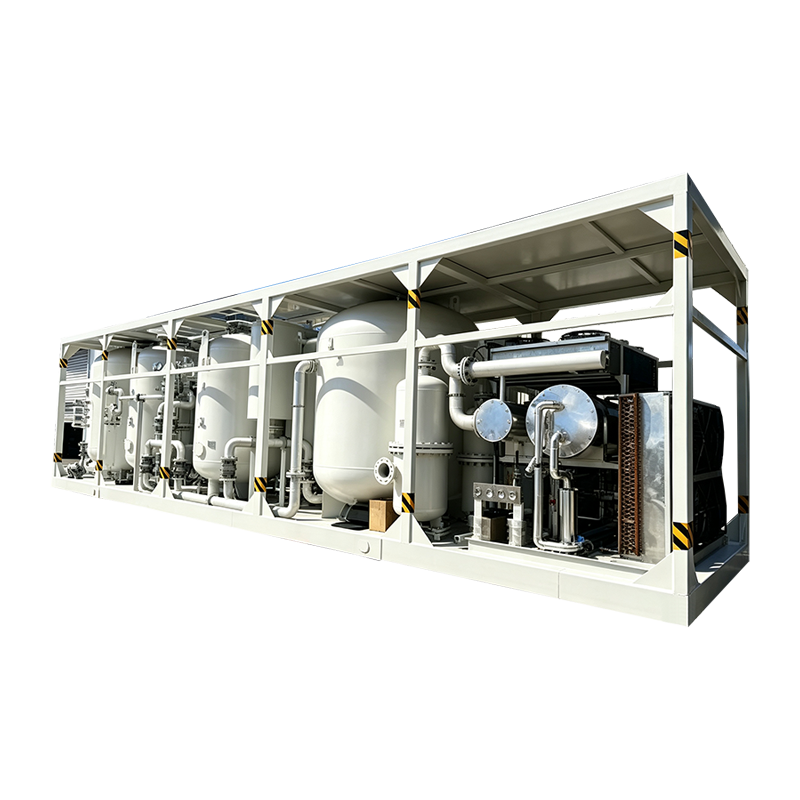
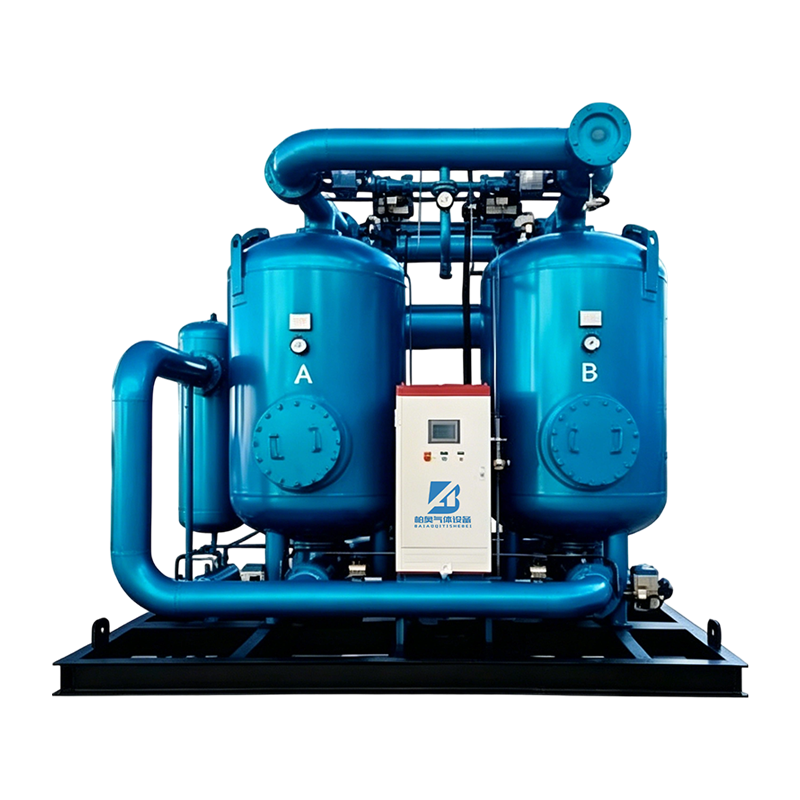
The BAM Membrane Separation Nitrogen Generator is an air separation system that converts treated compressed air into a nitrogen-rich product stream. Its principal components include an air purification section, membrane separation modules, control valves, instruments, a control system, and, where required, a nitrogen buffer or storage section.
The process starts with compressed air entering the pretreatment system. Water, oil aerosols, particulate matter, and other contaminants must be removed or reduced before the air reaches the membrane modules. Proper pretreatment protects the membrane material and helps preserve separation performance over the operating life of the equipment.
After purification, compressed air enters the membrane module. The module contains selective membrane elements with different permeation characteristics for the gases in air. Oxygen and other fast-permeating components pass through the membrane more readily and are discharged through the permeate side. Nitrogen and argon are retained to a greater extent and leave through the non-permeate, or product, side.
The nitrogen-rich gas may then pass through a buffer system before being sent to the customer’s process. A buffer helps reduce short-term flow fluctuations and supports more stable delivery during changes in demand. Flow controls and monitoring instruments allow the operator to select an appropriate balance between nitrogen flow and purity.
The system is designed for automatic operation using an imported PLC intelligent program controller. Automated control can coordinate startup, normal production, alarm handling, valve operation, pressure management, and shutdown sequences. This reduces the amount of routine manual intervention required from operating personnel.
Core Technical Specifications
| Item | Specification |
|---|---|
| Nitrogen production range | Approximately 5–2000 Nm³/h for the stated main specification range; larger listed configurations are also available |
| Nitrogen purity | 95%–99.9%, depending on configuration and operating conditions |
| Nitrogen outlet pressure | Up to 1.2 MPa |
| Dew point | Approximately -48°C to -73°C, depending on the selected purification arrangement |
| Control mode | PLC-based automatic control |
| Separation method | Compressed-air membrane separation |
| Expansion capability | Additional membrane components can be used to increase nitrogen production |
Actual performance depends on feed-air pressure, temperature, relative humidity, pretreatment quality, nitrogen purity, product flow, elevation, and the condition of the membrane modules. Final selection should therefore be based on a confirmed process design and operating specification.
3. Membrane Separation Working Principle
Air is a mixture of gases, primarily nitrogen and oxygen, with smaller quantities of argon, carbon dioxide, water vapor, and trace components. A membrane does not separate these gases by liquefying air or by repeatedly cycling an adsorbent. Instead, it uses differences in gas solubility and diffusion through the membrane material.
When compressed air contacts the feed side of a membrane, each gas interacts with the membrane to a different degree. Some gases dissolve into and diffuse through the membrane more quickly than others. Oxygen and hydrogen are generally considered fast-permeating gases in the relevant membrane separation context. Nitrogen and argon permeate more slowly and therefore become enriched on the stagnation or non-permeate side.
The separation is driven by a difference in partial pressure between the feed side and the permeate side. As compressed air flows through the module, fast gases migrate preferentially through the membrane. The remaining stream becomes richer in nitrogen. A controlled portion of the separated gas leaves as permeate, while the nitrogen-rich stream is collected as product gas.
Membrane performance is influenced by several operating factors. Higher feed pressure can provide a stronger driving force for separation, although pressure limits and energy consumption must be considered. Temperature affects permeation behavior and gas viscosity. Water and oil contamination can reduce membrane performance or damage the membrane surface, which is why air purification is an essential part of the overall process.
Product purity and product flow are closely related. When the system is operated for a higher nitrogen purity, more feed air may be required for each unit of product nitrogen, and the available product flow may decrease. When a lower purity is acceptable, the system may deliver a larger flow with lower specific air consumption. The adjustable operating range allows users to align production with the actual needs of their process.
The membrane module is not simply an accessory installed after a compressor. It is the central separation element of a coordinated process that includes filtration, drying, pressure regulation, control logic, gas buffering, and product monitoring. The quality of the entire system determines the consistency of the delivered nitrogen.
Membrane Process Flow
A typical flow arrangement can be summarized as follows:
Compressed air enters the air purification system.
Filters remove solid particles, oil aerosols, and condensed liquid.
A drying section reduces moisture to the required level.
Pressure and flow are stabilized before the membrane module.
Membrane modules separate fast-permeating gases from slower-permeating nitrogen and argon.
The nitrogen-rich product passes to a buffer system or directly to the process.
Permeate gas is discharged through the designated exhaust route.
The PLC monitors and controls the system during operation.
4. Air Pretreatment and Gas Quality Protection
Air pretreatment is one of the most important factors affecting membrane nitrogen generator performance. Compressed air from an industrial compressor may contain liquid water, water vapor, oil mist, compressor degradation products, dust, rust particles, and pipe-scale contamination. If these materials enter the membrane module, they can block flow channels, alter membrane properties, contaminate valves, or shorten the useful service life of the equipment.
The purification section is therefore designed to prepare the compressed air before separation. Depending on the project, the system may include a water separator, coalescing filters, particulate filters, activated-carbon treatment, a refrigerated dryer, a desiccant dryer, automatic drains, pressure regulators, and monitoring instruments. The exact arrangement should be selected based on the compressor type, ambient conditions, required dew point, and acceptable contamination limits.
Moisture management is particularly important in humid environments. The published design reference for the listed technical data includes an ambient temperature of 20°C, an elevation of zero meters, and relative humidity of 80%. Real installations may experience conditions that differ significantly from these assumptions. Hotter weather, higher humidity, long piping runs, or fluctuating compressor discharge conditions can affect the amount of pretreatment required.
Good installation practice includes placing the generator in a clean, ventilated location, protecting it from flooding and excessive dust, providing adequate drainage, and using correctly sized connecting pipes. The compressed-air supply should be stable, and the compressor should be capable of meeting the required flow at the necessary pressure without excessive cycling.
The air purification system can also help protect downstream instruments and improve product consistency. A clean and dry feed stream reduces the risk of membrane fouling and supports more predictable gas separation. For this reason, the air purification system should be viewed as an integral part of the nitrogen generator rather than as an optional add-on.
5. Purity, Flow, Pressure, and Dew Point
Nitrogen purity is the percentage of nitrogen in the product gas, usually expressed on a volume basis. The BAM series is designed for purity levels ranging from 95% to 99.9%, depending on the selected model and operating point. A 95% nitrogen stream may be suitable for general inerting, some purging duties, and applications where a moderate reduction in oxygen is sufficient. Higher purity may be preferred for more oxygen-sensitive processes.
Purity requirements should be defined by the application. Selecting an unnecessarily high purity can increase the required feed-air volume and operating cost. Conversely, selecting a purity that is too low may compromise product quality or process safety. A technical evaluation should consider the oxygen tolerance of the product, the potential for oxidation, the size of the protected vessel, the required purge time, and the expected demand pattern.
Nitrogen production is stated in normal cubic meters per hour. The normal-volume basis provides a standardized way to compare gas production, although the actual volume at the outlet changes with pressure and temperature. System sizing should account for the difference between average demand, peak demand, startup demand, and emergency or backup requirements.
Outlet pressure is listed at up to 1.2 MPa. The pressure available to the customer depends on the operating pressure of the membrane system, control losses, piping resistance, and any downstream pressure regulation. If the customer requires a particular delivery pressure, the pressure profile should be confirmed during system design.
The stated dew-point range of approximately -48°C to -73°C indicates that the equipment can be configured for significantly dried nitrogen. Dew point is important in applications where moisture could cause corrosion, condensation, product degradation, electrical problems, or changes in process chemistry. The required dew point should be specified together with the nitrogen flow and purity rather than considered separately.
6. Product Models and Capacity Options
The product range is divided into model groups associated with different target purity levels and air-consumption requirements. The BAM-A type is listed for a target purity of 95%, the BAM-B type for approximately 97%, and the BAM standard type for approximately 99.5%. The general product description also identifies adjustable purity up to 99.9% under suitable operating conditions and configurations.
At the 95% purity level, listed nitrogen production models include approximately 10, 20, 40, 60, 100, 150, 200, 300, 400, 600, 800, 1000, 1500, 2000, 2500, 3000, and 3500 Nm³/h. The corresponding effective gas consumption values increase with the production capacity and should be used for compressor and pretreatment selection.
At the 97% purity level, listed models cover approximately 10 to 3500 Nm³/h. The table also associates model capacities with BA-series air purification systems. These purification systems provide a practical starting point for matching the membrane generator with the required compressed-air treatment capacity.
At approximately 99.5% purity, the listed models range from about 5 to 500 Nm³/h. Higher purity generally requires greater feed-air consumption per unit of nitrogen product. This is reflected in the effective gas consumption values in the technical data.
| Purity group | Representative capacity range | Typical selection consideration |
|---|---|---|
| BAM-A type | Approximately 10–3500 Nm³/h | High production efficiency where 95% nitrogen is acceptable |
| BAM-B type | Approximately 10–3500 Nm³/h | Higher purity requirement, with increased feed-air demand |
| BAM standard type | Approximately 5–500 Nm³/h | Approximately 99.5% purity for more oxygen-sensitive processes |
| Customized configurations | Selected according to project demand | May combine additional modules, purification stages, buffers, and controls |
Some source table entries contain apparent transcription errors, such as an unusual production value or an incomplete air-consumption figure. These values should be verified against the final technical quotation, equipment drawings, and factory test documents before procurement. The published data should be treated as a design reference rather than a substitute for project-specific engineering.
7. Advantages Compared with Conventional Nitrogen Supply
On-Site Production
One of the principal advantages of a membrane nitrogen generator is that nitrogen is produced at the location where it is consumed. This reduces dependence on external deliveries and allows the user to establish a more predictable supply pattern. On-site generation is especially useful for facilities located far from industrial-gas filling stations or where delivery schedules are difficult to coordinate.
Reduced Cylinder Handling
For small and medium users, cylinder supply can create administrative and operational work. Cylinders must be ordered, transported, stored, connected, monitored, and returned. A fixed generator can reduce manual handling and help improve workplace organization. It may also reduce the risk associated with frequent cylinder movement and the interruption that can occur when cylinders are not replaced on time.
Lower Dependence on Cryogenic Storage
Liquid nitrogen systems require insulated storage tanks, vaporizers, pressure controls, safety management, and regular deliveries. Membrane generation avoids cryogenic storage because it produces nitrogen from compressed air. This can simplify installation for facilities that need a continuous but moderate nitrogen flow rather than a very large volume of liquid product.
Adjustable Purity and Flow
The stated purity range of 95% to 99.9% provides operating flexibility. Users can select a suitable operating point instead of purchasing a fixed-purity gas that may be higher than necessary. Flow can also be adjusted to follow production demand. This flexibility can be valuable for facilities with several processes requiring different nitrogen qualities.
Fast Startup
With imported original membrane components and appropriate pretreatment, the system is designed to reach normal gas supply within a few minutes after startup. Fast startup can be useful in batch production, shift-based operations, emergency purging, and applications where the nitrogen system must respond quickly to changing process conditions.
Compact and Lightweight Design
Membrane systems are generally more compact than large cryogenic plants and may require less floor space than some alternative separation technologies at comparable small and medium capacities. The lightweight and compact structure of the BAM generator supports installation in industrial workshops, utility rooms, or process-support areas where space is limited.
Scalable Capacity
The modular nature of membrane separation makes it possible to increase nitrogen production by adding membrane components or selecting a larger configuration. This provides a path for expansion when a factory adds production lines or when nitrogen demand increases. Capacity expansion should be evaluated alongside compressor capacity, air purification, electrical supply, ventilation, and downstream piping.
Automatic Operation
The PLC control system supports automatic operation and reduces the need for constant manual adjustment. A well-configured control system can manage startup and shutdown, monitor pressure and flow, operate valves, issue alarms, and support stable operation. Automation also improves repeatability between operating shifts.
8. Manufacturing Strengths and Process Control
Reliable gas separation equipment depends on more than the membrane module itself. Manufacturing quality affects air tightness, pressure stability, component alignment, control accuracy, serviceability, and long-term performance. Zhejiang Baiao Gas Equipment Co., Ltd. integrates research and development, engineering design, production, installation, and after-sales service within its business structure.
The company operates a standardized workshop of approximately 3,000 square meters, together with office and warehouse areas. This physical infrastructure supports the movement of materials from component receiving and inspection through assembly, testing, packaging, and dispatch. A dedicated warehouse can also help organize valves, filters, instruments, piping components, and replacement parts.
Production begins with engineering confirmation. The required nitrogen flow, purity, pressure, dew point, environmental conditions, operating schedule, and customer interface must be reviewed before equipment is built. The design team can then determine the required membrane area, purification arrangement, valve configuration, buffer volume, control logic, and cabinet layout.
Component selection is another important manufacturing stage. Membrane modules must be matched to the required gas flow and purity. Filters and dryers must be sized for the actual feed-air conditions. Valves should be compatible with the pressure, temperature, and duty cycle. Instruments should provide the accuracy and signal type required by the control system and the customer’s plant automation network.
During fabrication and assembly, piping cleanliness and sealing quality are essential. Internal contamination can damage filters and membranes, while poor sealing can cause air loss, pressure instability, or inaccurate performance results. Proper pipe preparation, connection inspection, support installation, and labeling help improve reliability and simplify maintenance.
The PLC cabinet and instrumentation are assembled according to the process sequence. Control logic should include automatic operation, alarm conditions, protective interlocks, and clear operator indications. A practical control interface helps operators understand the status of compressed-air supply, membrane operation, product pressure, purity, and fault conditions.
Factory testing is a key step before shipment. Testing may include visual inspection, pressure-holding checks, valve operation tests, instrument verification, control-program checks, and performance confirmation under defined reference conditions. Where applicable, the customer can review test records and operating data before the equipment is dispatched.
The company’s broader product portfolio includes PSA nitrogen generators, PSA oxygen generators, membrane nitrogen and oxygen generators, nitrogen purification units, and ammonia decomposition hydrogen purification equipment. This range indicates experience across multiple gas separation and purification methods. Such experience can be useful when a project requires a hybrid process, a polishing stage, or a comparison of alternative technologies.
9. Engineering and Installation Considerations
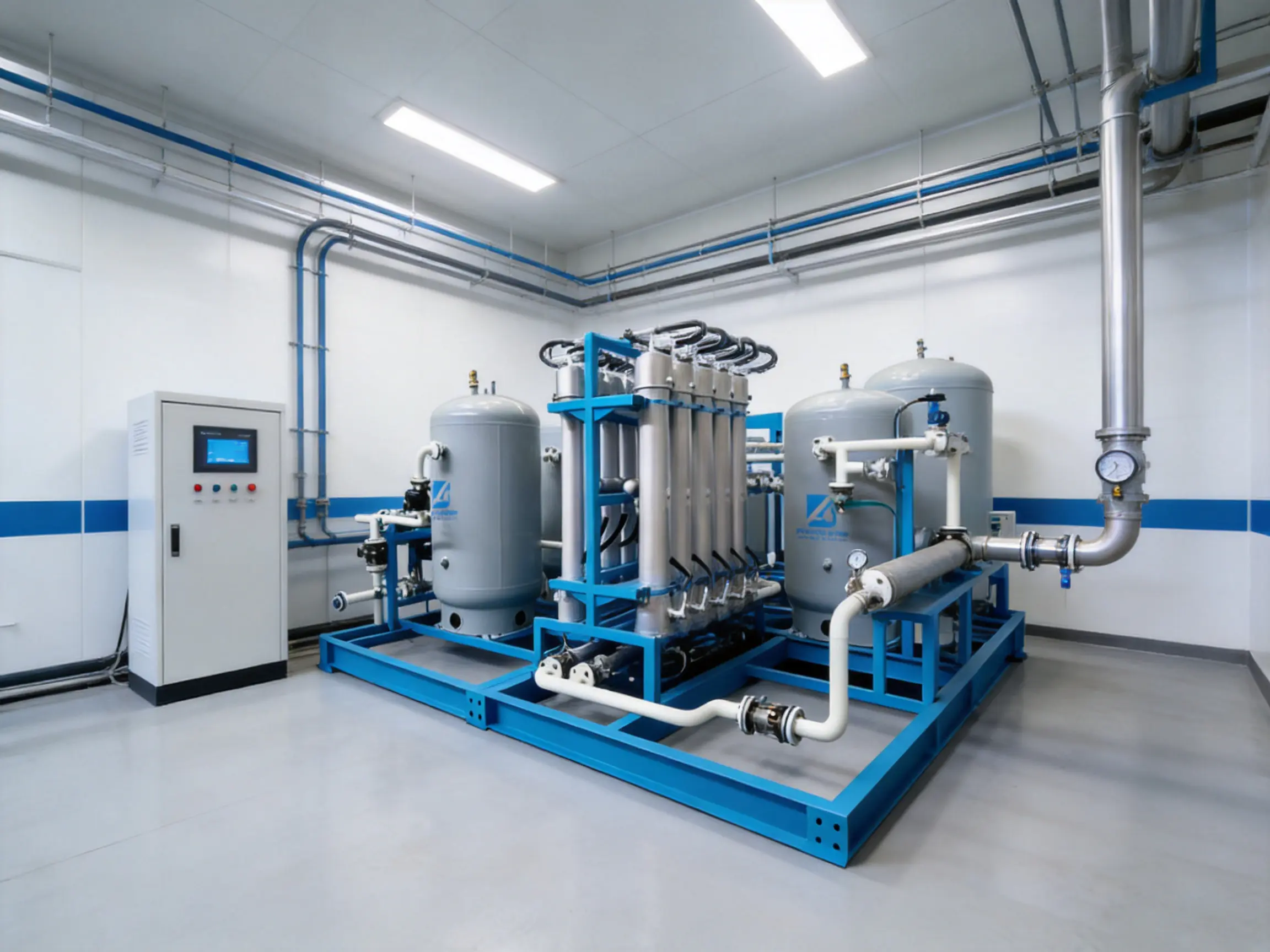
A membrane nitrogen generator should be installed as part of a complete utility system. The compressor must provide sufficient air at the required pressure and flow. If the compressor is undersized, product purity may fall, outlet pressure may become unstable, or the generator may be unable to satisfy peak demand.
The air receiver should be sized to support stable operation and reduce rapid compressor cycling. Receivers can also help absorb short-term fluctuations in demand. The receiver and connected piping should be installed in accordance with applicable pressure-vessel and plant-safety requirements.
Ambient temperature affects compressor performance and membrane separation. The installation area should be adequately ventilated and protected from extreme heat. The equipment should not be placed where exhaust air, corrosive vapors, welding fumes, or excessive dust can enter the air intake or contaminate the external surfaces.
Drainage is necessary for filters, separators, and dryers. Automatic drains should be checked regularly to ensure that condensate is removed. Blocked drains can increase liquid carryover and compromise the air purification system.
The nitrogen outlet should be connected to a clean, appropriately sized distribution pipeline. The pipe should be flushed or cleaned before connection to the generator. Backflow protection may be required where the downstream process contains reactive gases, liquids, or contaminants.
Electrical installation should comply with local standards. The control cabinet requires a stable power supply, proper grounding, and suitable protection against voltage fluctuations. If the generator is installed in a hazardous area, the customer and supplier must confirm whether special equipment classification or remote installation is needed.
Commissioning typically includes checking the direction and condition of valves, confirming instrument signals, verifying air quality, adjusting operating parameters, and measuring product purity and flow. Operators should be trained in startup, normal operation, alarm response, shutdown, filter replacement, and routine inspection.
10. Operation, Maintenance, and Service Life
The membrane assembly is described as having a service life of up to ten years under suitable operating conditions. This figure should not be interpreted as a universal guarantee for every installation. Actual service life depends on air pretreatment, oil carryover, particulate loading, temperature, pressure cycling, operating hours, maintenance quality, and compliance with the recommended feed-air conditions.
Routine maintenance begins with the compressed-air system. Operators should inspect the compressor, air receiver, filters, dryers, drains, and pressure regulators. Differential pressure across filters should be monitored where instruments are provided. A rising differential pressure may indicate contamination or a saturated filter element.
Membrane performance can be tracked by observing product purity, flow, feed pressure, permeate behavior, and energy use. A gradual reduction in purity or product flow may indicate membrane aging, contamination, a valve problem, insufficient feed pressure, excessive demand, or a fault in the air purification system.
Gas analyzers should be calibrated according to the manufacturer’s instructions and the importance of the process. An inaccurate analyzer can lead operators to adjust the generator unnecessarily or overlook an actual purity problem. Calibration records should be retained as part of the plant maintenance system.
Startup and shutdown procedures should be followed consistently. Sudden pressure shocks, uncontrolled valve operation, or contaminated air entering the membrane module can reduce equipment reliability. The PLC program is intended to coordinate the operating sequence, but operators should still understand the purpose of each stage and the response required for an alarm.
Replacement parts may include filter elements, drain components, valve seals, sensors, analyzer components, and other consumables. A recommended spare-parts list should be established according to operating hours and the consequences of downtime. For critical applications, customers may choose to keep a backup nitrogen source or install redundant generation capacity.
Service support is most effective when it combines remote troubleshooting, documented operating data, and on-site technical assistance when required. Zhejiang Baiao Gas Equipment Co., Ltd. provides installation and after-sales service as part of its integrated business model. This is important because equipment performance depends not only on factory construction but also on commissioning, operator training, maintenance, and long-term technical communication.
11. Application Areas
Petrochemical and Chemical Processing
Nitrogen is used in petrochemical facilities for tank blanketing, purging, inerting, and maintenance operations. The appropriate purity and flow depend on the vessel volume, process chemistry, oxygen limit, and required purge time. Membrane generation can provide a continuous nitrogen source for routine operations while reducing reliance on delivered gas.
Food Processing and Packaging
Food manufacturers may use nitrogen to reduce oxygen in packaging or storage environments. Lower oxygen exposure can help protect flavor, color, texture, and shelf life for selected products. The generator should be integrated with hygienic gas distribution equipment and the application should be assessed against applicable food-contact and quality requirements.
Automotive Manufacturing
Automotive plants may use nitrogen during heat treatment, laser or welding-related processes, tire filling, component protection, and selected assembly operations. The required gas quality differs between applications, so separate distribution points or polishing equipment may be appropriate.
Metal Heat Treatment
A controlled atmosphere can reduce oxidation and support consistent surface characteristics during heat treatment. Nitrogen purity, dew point, flow stability, and furnace sealing are all important. The generator may be combined with a buffer vessel to manage changes in furnace demand.
Textile Production
Textile plants may require nitrogen for specialized processing, storage, or inerting duties. A compact generator can be advantageous where floor space is limited and the facility needs a steady supply without frequent cylinder replacement.
SMT and Electronics
Electronics manufacturing often requires controlled oxygen and moisture levels around soldering, reflow, component storage, and production equipment. The nitrogen system should be evaluated for purity stability, dew point, cleanliness, and compatibility with the plant’s clean production requirements.
12. How the System Compares with PSA and Cryogenic Alternatives
Membrane separation, pressure swing adsorption, and cryogenic separation are all established methods, but they serve different operating ranges and application requirements. Membrane systems are often attractive when compactness, fast startup, adjustable purity, and simple continuous operation are priorities.
PSA nitrogen generators use adsorbent materials that preferentially retain oxygen and other gases during pressurization. They can deliver high nitrogen purity and are widely used for medium and large industrial applications. However, PSA systems normally involve multiple adsorption vessels, switching valves, cycle controls, and regeneration steps. Depending on the required purity and flow, they may have a larger footprint or more complex cycling behavior than a membrane system.
Cryogenic plants separate air at very low temperatures and can produce very high-purity nitrogen, oxygen, and other products. They are generally associated with large production volumes and substantial capital investment. Cryogenic storage and delivery systems also require specialized safety and logistics management.
Membrane technology may be a strong choice where the user needs moderate purity, variable production, rapid startup, compact equipment, and reduced dependence on delivered gas. The best technology should be selected through a lifecycle comparison that includes capital cost, compressor energy, maintenance, purity, flow, operating schedule, and the financial impact of downtime.
| Criteria | Membrane nitrogen generation | PSA nitrogen generation | Cryogenic nitrogen supply |
|---|---|---|---|
| Startup | Typically fast, with normal supply available within minutes under suitable conditions | Requires cycle stabilization | Usually involves larger startup and storage arrangements |
| Equipment form | Compact membrane modules and purification equipment | Adsorption vessels, switching valves, and controls | Low-temperature separation and cryogenic storage equipment |
| Purity range | Commonly suited to moderate and selected higher-purity requirements | Broad range, including high-purity applications | Very high purity is possible |
| Scalability | Additional membrane components can increase production | Additional vessels or larger skids may be required | Generally suited to large centralized production |
| Supply model | On-site production from compressed air | On-site production from compressed air | On-site plant or delivered liquid gas |
| Best-fit priorities | Compactness, rapid response, flexible purity, and moderate flow | High purity and broad industrial duty | Very large volume and high-purity production |
13. Selecting the Correct Configuration
The first selection question is the required nitrogen purity. Users should identify the maximum oxygen concentration permitted by the process and avoid specifying a purity level without a technical reason. A process that only needs general inerting may operate efficiently at 95%, while an oxygen-sensitive process may require approximately 99.5% or higher.
The second question is flow demand. The design should include normal consumption, maximum simultaneous consumption, intermittent peaks, startup requirements, and future expansion. If the generator is sized only for average demand, the system may struggle during peak operating periods.
The third question is delivery pressure. The customer should identify the pressure required at the farthest or highest-resistance point in the distribution network. Pipe diameter, length, valves, filters, and regulators all contribute to pressure drop.
The fourth question is dew point and gas cleanliness. Moisture-sensitive applications may require a deeper drying stage. Food, electronics, and chemical applications may also require additional specifications for oil, particles, or microbial control.
The fifth question is the available compressed-air supply. The effective gas consumption listed for each model should be compared with the compressor’s actual capacity at operating pressure. Compressor selection should also consider altitude, inlet temperature, cooling conditions, and duty cycle.
Finally, the user should consider redundancy and future growth. A single generator may be adequate for a noncritical application, while a critical process may require a backup unit, a buffer vessel, a standby cylinder manifold, or a dual-train arrangement. Additional membrane modules may support expansion, but the supporting air and electrical systems must be expanded as well.
14. Sustainability and Operating Efficiency
On-site nitrogen generation can reduce the transportation associated with delivered cylinders or liquid nitrogen. Fewer deliveries may mean lower vehicle use, less packaging movement, and reduced dependence on external logistics. The environmental benefit depends on the electricity source, compressor efficiency, operating schedule, and comparison basis.
Energy efficiency is strongly influenced by the amount of compressed air required per unit of nitrogen product. Operating at an unnecessarily high purity can increase air consumption. Maintaining clean filters, minimizing leaks, selecting suitable pipe sizes, and avoiding excessive pressure can help reduce energy use.
Demand-based control can also improve efficiency. If the process consumes nitrogen intermittently, a buffer system and automatic control sequence may reduce unnecessary production. If demand changes frequently, the operating set point should be reviewed so the generator does not continuously operate at a high-flow or high-purity condition that the process does not need.
Efficiency should be evaluated over the complete system. A membrane generator with low equipment cost may become expensive if paired with an inefficient compressor or poorly maintained dryer. Conversely, a properly designed air system can improve total lifecycle performance and help preserve membrane service life.
15. Quality Assurance and Customer Support
Industrial customers need confidence that the equipment will deliver the specified gas under defined conditions. Quality assurance should therefore cover design review, component verification, assembly inspection, pressure testing, control testing, and performance validation. Technical documents should identify design conditions, connection sizes, electrical requirements, recommended maintenance, and operating limitations.
Baiao’s integrated capabilities cover research and development, design, production, installation, and after-sales support. This integrated approach can reduce communication gaps between the equipment designer, the manufacturing team, the installation technician, and the customer’s engineering department.
The company’s experience in gas separation and purification equipment also supports customized solutions. A customer may require a membrane generator with a particular buffer volume, a special outlet pressure, a deeper drying arrangement, an oxygen analyzer, remote monitoring, or connection to an existing plant control system. These requirements should be identified before final design.
After-sales service is particularly important for equipment installed in overseas markets or remote industrial areas. Clear operating manuals, spare-parts planning, troubleshooting guidance, commissioning support, and communication with trained technical personnel can reduce downtime and help customers obtain the expected value from their investment.
16. Practical Benefits for Industrial Buyers
For a plant manager, the value of a membrane nitrogen generator can be expressed in operational terms: fewer delivery interruptions, easier gas planning, reduced cylinder handling, fast response, and controllable production. For a process engineer, the key benefits include adjustable purity, modular capacity, stable pressure management, and integration with air purification and plant controls.
For a maintenance department, the compact structure and automatic operation can simplify routine supervision. The most important maintenance tasks are concentrated around compressor performance, air pretreatment, drains, filters, instruments, valves, and product-quality monitoring. The system does not eliminate maintenance, but it can provide a more organized and predictable maintenance routine than a decentralized cylinder-supply arrangement.
For a purchasing department, the decision should be based on total cost of ownership rather than purchase price alone. The analysis should include compressor electricity, filter and dryer maintenance, membrane replacement planning, installation, labor, delivered-gas costs, storage requirements, and the cost of supply interruptions.
For a company planning future expansion, modular membrane capacity can provide flexibility. Additional membrane components or a larger system can be considered as demand grows. Early planning is recommended so that the original compressor room, piping network, electrical supply, and installation area can accommodate future requirements.
17. Frequently Asked Questions
Q1. What is the main function of the membrane nitrogen generator?
The generator separates nitrogen from compressed air by using differences in gas solubility and diffusion through selective membrane modules. Faster-permeating gases pass preferentially through the membrane, while nitrogen and argon become enriched on the product side.
Q2. What nitrogen purity can the system provide?
The stated adjustable range is approximately 95% to 99.9%, depending on the selected configuration, operating pressure, feed-air quality, product flow, and required process conditions. Specific performance should be confirmed in the final technical proposal.
Q3. How quickly can the generator supply nitrogen?
With suitable imported membrane components and proper startup conditions, the system is designed to reach normal gas supply within a few minutes. Actual startup time depends on the initial state of the equipment, feed-air conditions, control settings, and the required product specification.
Q4. Does the system require an air compressor?
Yes. The membrane module requires compressed air as its feed gas. The compressor must be selected to provide the required effective gas consumption at the required pressure, with enough capacity for the selected nitrogen flow and purity.
Q5. Why is air pretreatment necessary?
Compressed air may contain water, oil, dust, and other contaminants. These materials can reduce membrane performance, damage valves and instruments, and shorten service life. Filters, separators, dryers, and other purification equipment protect the membrane and help maintain stable operation.
Q6. Can nitrogen purity be adjusted during operation?
The product design allows purity to be adjusted by changing the operating flow and related control settings. The acceptable adjustment range depends on the model and process conditions. Operators should use the approved operating parameters rather than making uncontrolled adjustments.
Q7. What is the expected membrane service life?
The membrane assembly can have a service life of up to ten years under suitable operating conditions. Actual service life depends on feed-air cleanliness, moisture control, pressure, temperature, maintenance, and operating hours.
Q8. Is the equipment suitable for small factories?
Yes. Listed capacities begin at approximately 5 Nm³/h for selected configurations, and the compact, lightweight design can be suitable for small and medium industrial users. The system still requires adequate compressed air, ventilation, drainage, and electrical service.
Q9. Can production capacity be expanded?
Increasing the number of membrane components can expand nitrogen production. Expansion must also consider compressor capacity, air purification, buffer volume, piping, electrical supply, and the available installation area.
Q10. What industries can use this equipment?
Potential applications include petrochemical processing, food packaging, automotive manufacturing, metal heat treatment, textile production, SMT electronics, equipment purging, tank blanketing, and other industrial processes that require nitrogen-rich gas.
Q11. How should a customer choose between membrane and PSA technology?
The choice depends on purity, flow, pressure, operating schedule, footprint, energy consumption, maintenance preferences, and lifecycle cost. Membrane technology is attractive for compact, fast-starting, flexible systems, while PSA may be preferred for certain high-purity or larger-capacity requirements.
Q12. What information is needed for a quotation?
The supplier should receive the required nitrogen flow, purity, outlet pressure, dew point, operating hours, peak demand, ambient conditions, available compressor information, installation location, electrical standard, and any special requirements for monitoring or plant integration.
18. Conclusion
The BAM Membrane Separation Nitrogen Generator provides a practical on-site method for producing nitrogen-rich gas from compressed air. Its membrane separation principle, adjustable purity, compact structure, fast startup, automatic PLC control, scalable capacity, and integrated purification options make it suitable for a broad range of industrial applications.
Its advantages over delivered cylinders and cryogenic supply include reduced logistics, less storage dependence, lower manual handling, and continuous production at the point of use. Compared with alternative on-site technologies, its most notable strengths are compactness, rapid response, flexible operating conditions, and the ability to expand production by adding membrane components.
Reliable performance depends on correct system design. The compressor, air purification equipment, membrane modules, control system, buffer vessel, piping, and downstream process must be engineered as one complete package. Feed-air quality and maintenance are particularly important for protecting the membrane assembly and achieving a long service life.
Zhejiang Baiao Gas Equipment Co., Ltd. combines gas separation research, equipment design, manufacturing, installation, and after-sales service. Its standardized production facilities, technical team, broad product range, and experience in industrial gas purification support customized solutions for customers in China and international markets.
For industrial users seeking a dependable nitrogen supply without relying entirely on delivered gas, a properly selected membrane generator can offer a balance of performance, flexibility, installation convenience, and long-term operating value.
References
1. Industrial gas separation engineering principles, including membrane solution-diffusion behavior and selective gas permeation.
2. Compressed-air treatment practices for particulate, oil, condensate, and moisture removal.
3. Technical design data for membrane nitrogen generation systems, including purity, capacity, pressure, dew point, and effective gas consumption.
4. Industrial compressed-air system sizing and energy-efficiency guidance.
5. General practices for nitrogen inerting, purging, blanketing, food packaging, heat treatment, and electronics manufacturing.
6. Manufacturer technical materials for membrane nitrogen generators, air purification systems, PLC controls, and gas separation equipment.
Product: BAM Membrane Separation Nitrogen Generator

- Tel: +86-15057127179
+86-13588382771 - Email: huang.yifan0215@gmail.com
- Address: Huanshan Township, Fuyang District, Hangzhou City, Zhejiang Province
Copyright © Zhejiang Baiao Gas Equipment Co., Ltd. All Rights Reserved.
Privacy
Gas Generator Plant Manufacturer, Industrial Purification Equipment Plant
