 en
en русский
 Español
 عربى
عربى
Product Series
Industrial Air Compressor Manufacturer
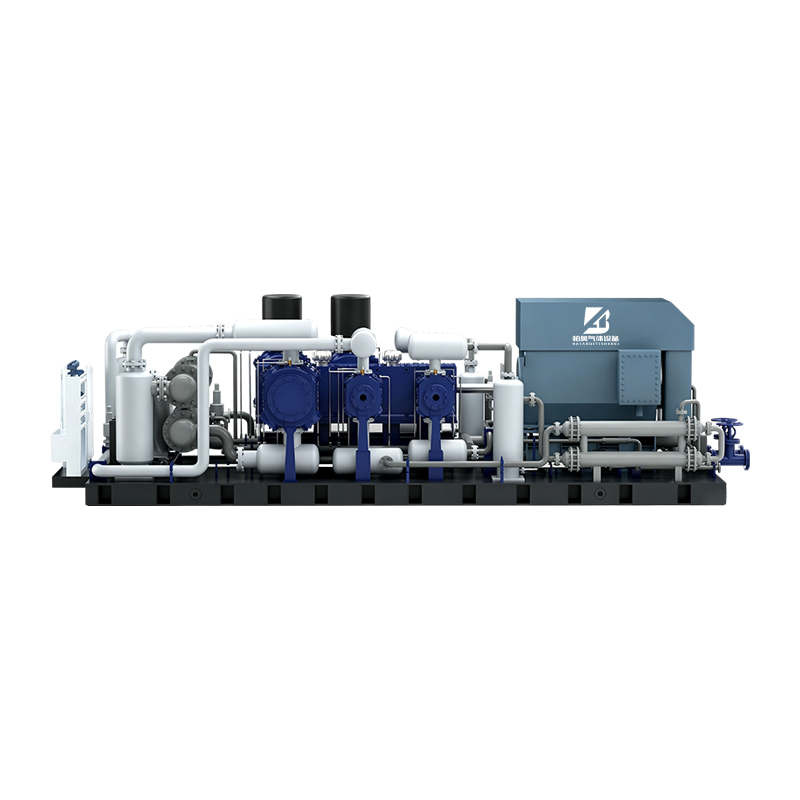
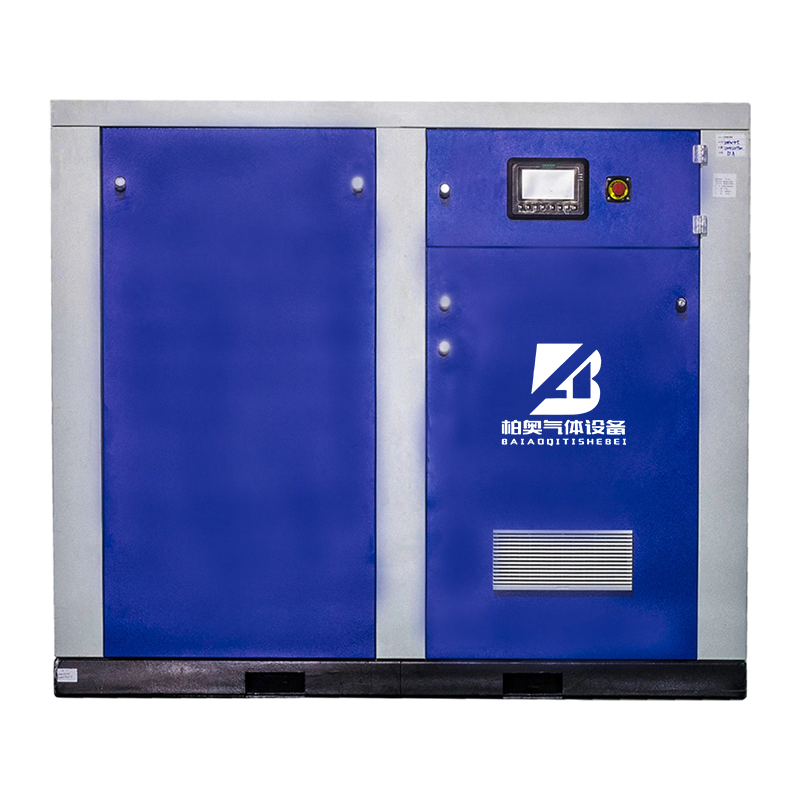
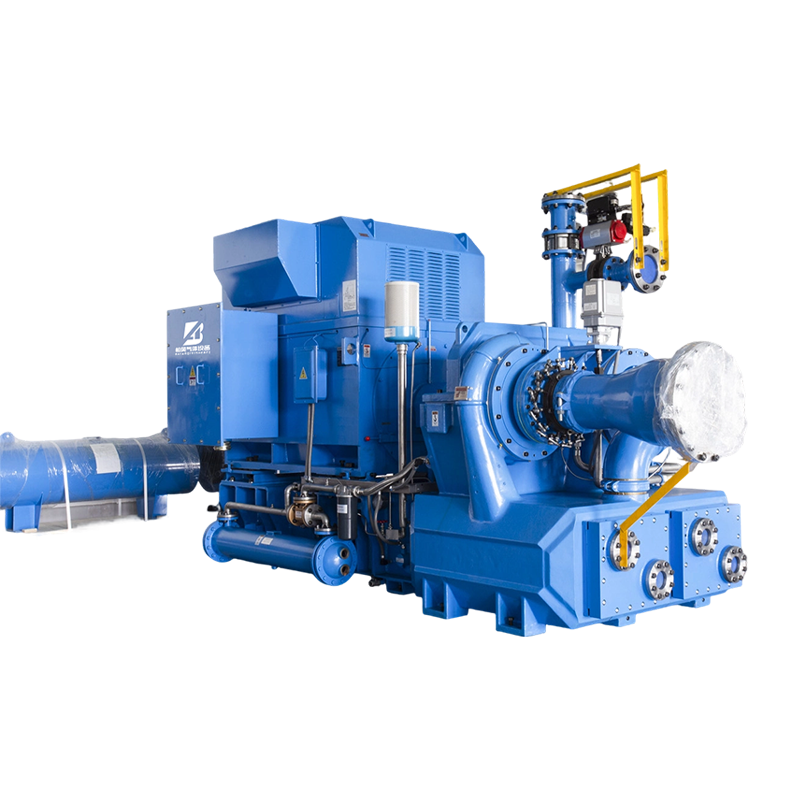
Zhejiang Baiao Gas Equipment Co., Ltd.
Zhejiang Baiao Gas Equipment Co., Ltd. is located in Fuyang District, Hangzhou, with convenient location and good transportation access. We are a gas equipment manufacturer integrating R&D, design, production, and installation. As Wholesale Industrial Air Compressor Manufacturer and China Industrial Air Compressor Supplier, Our facility covers a 3,000 sqm standardized workshop, a 500 sqm office area, and a 500 sqm warehouse, along with employee living facilities. Our team is lean and professional, with dedicated R&D and after-sales service personnel to ensure stable production and reliable project execution.
Our main products include gas separation and purification equipment, such as PSA nitrogen generators, PSA oxygen generators, membrane separation nitrogen/oxygen generators, QH/QC series nitrogen purification units, and ammonia decomposition hydrogen purification units. Our products are developed based on overseas technologies and optimized for domestic industrial conditions, offering a relatively complete product range.
Our equipment is used in industries such as petrochemical, textile, food processing, automotive manufacturing, heat treatment, and SMT precision electronics. Our sales network covers more than 30 provinces and cities across China.
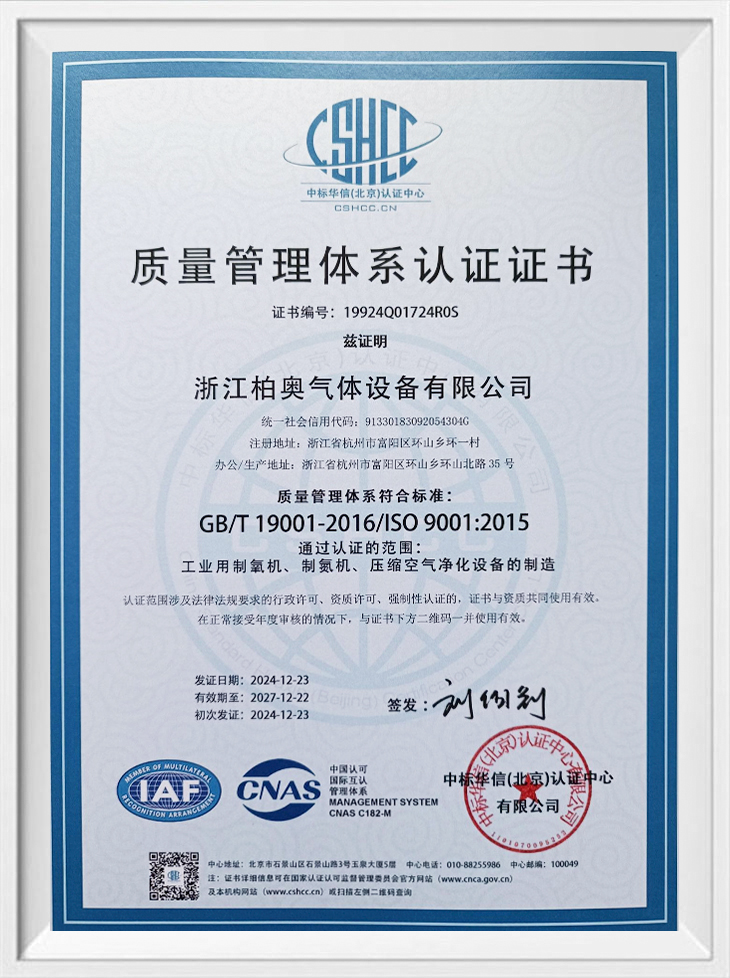
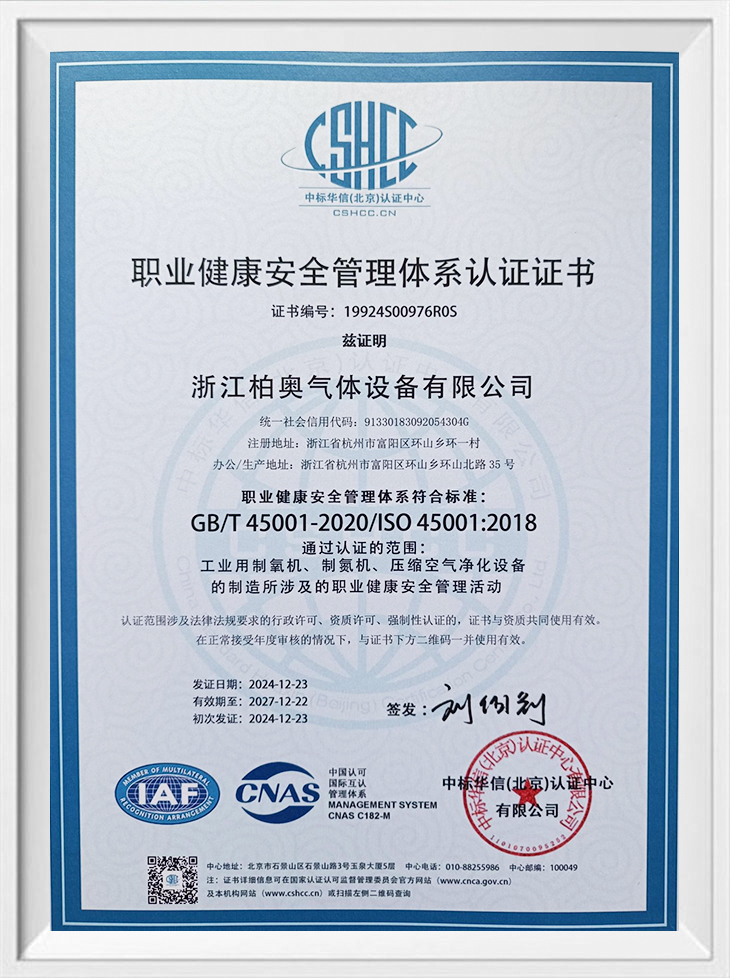
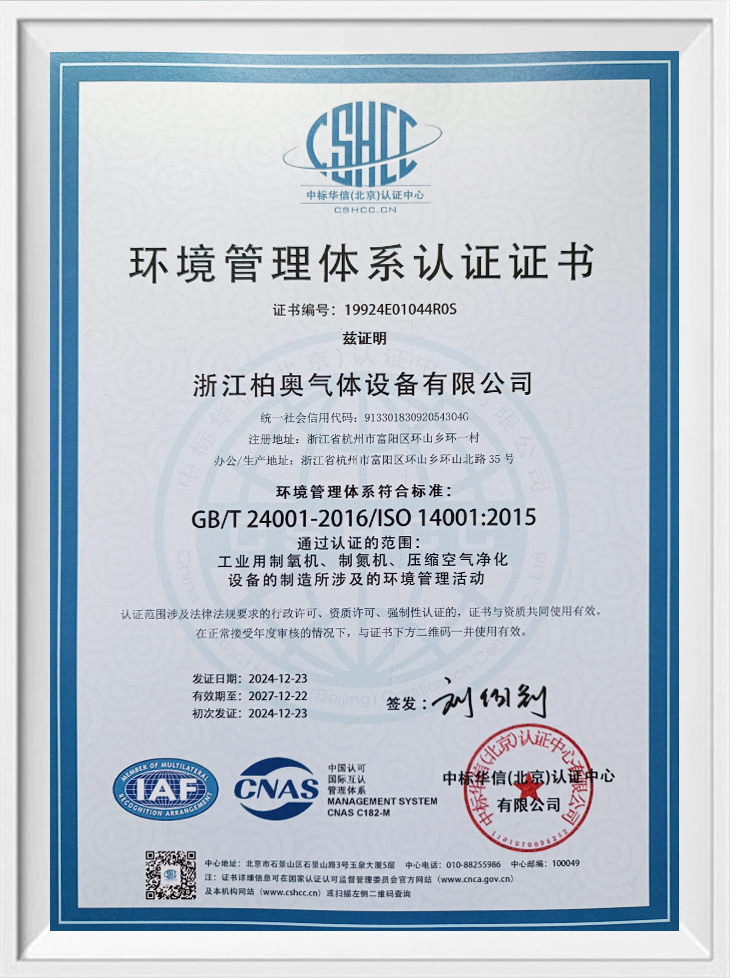
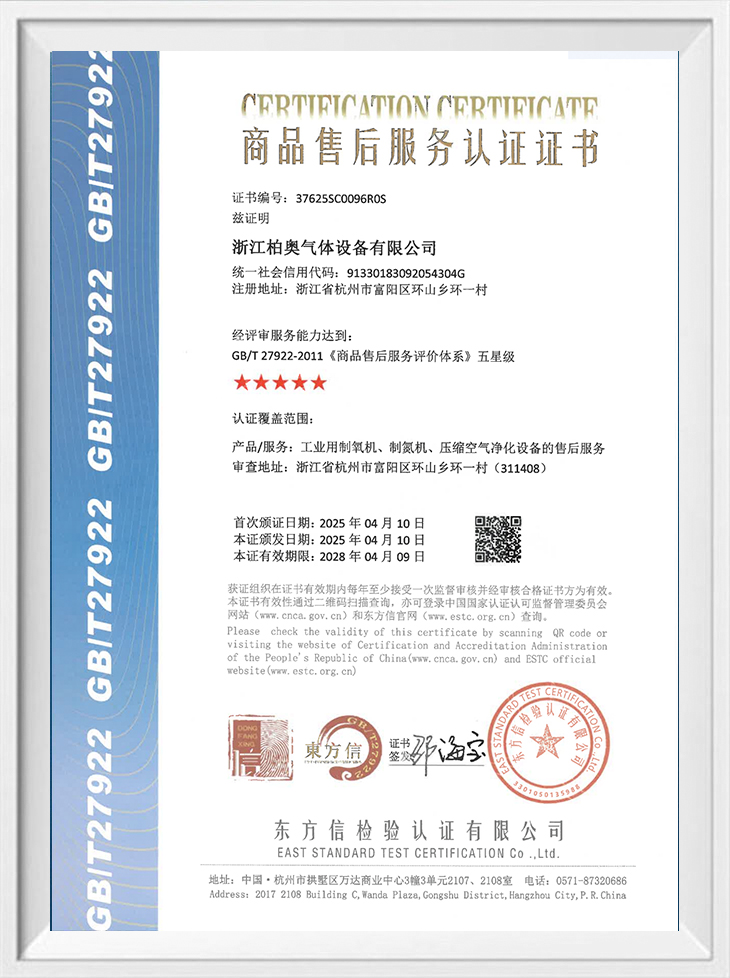
We focus on technical improvement, quality control, and integrity in business operations. Relying on our quality management system and sales service system, we provide stable gas equipment and supporting services to customers worldwide.
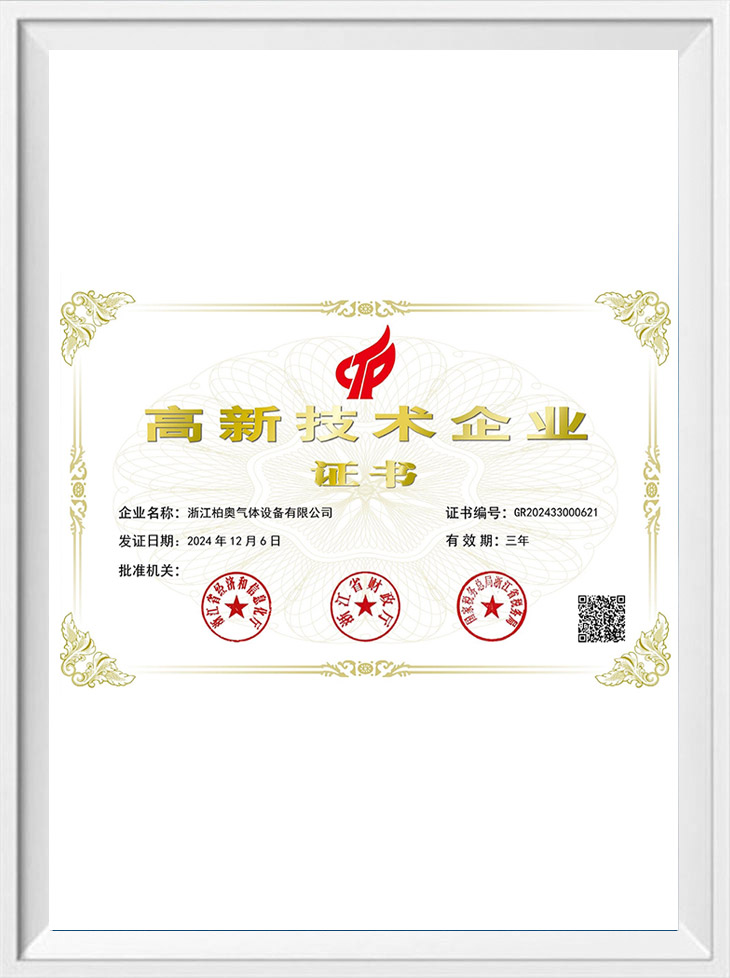
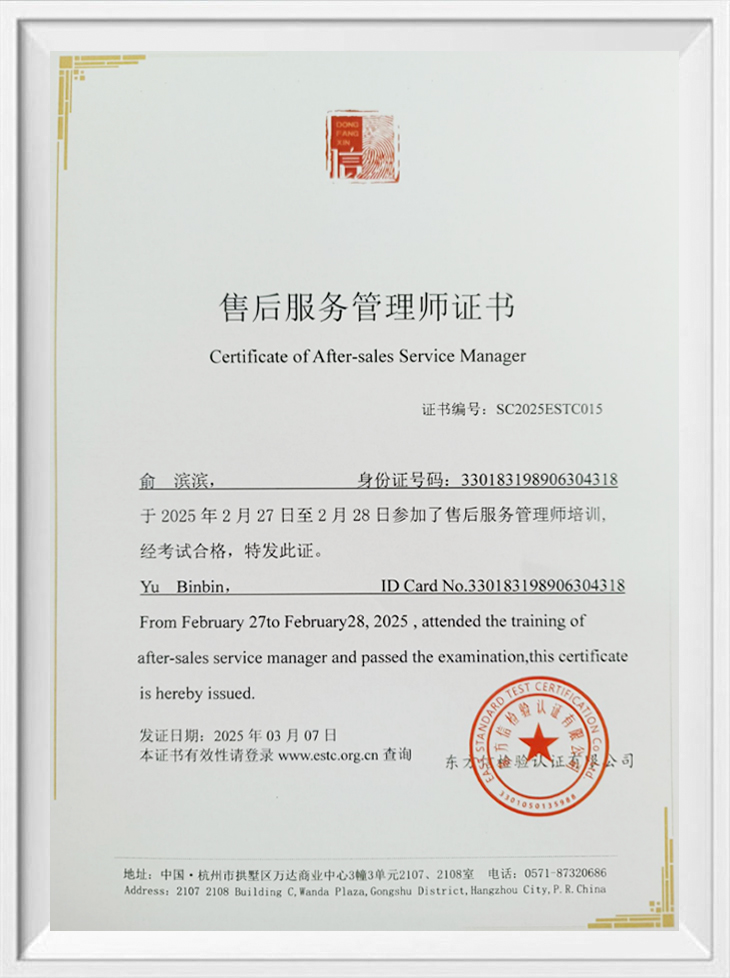
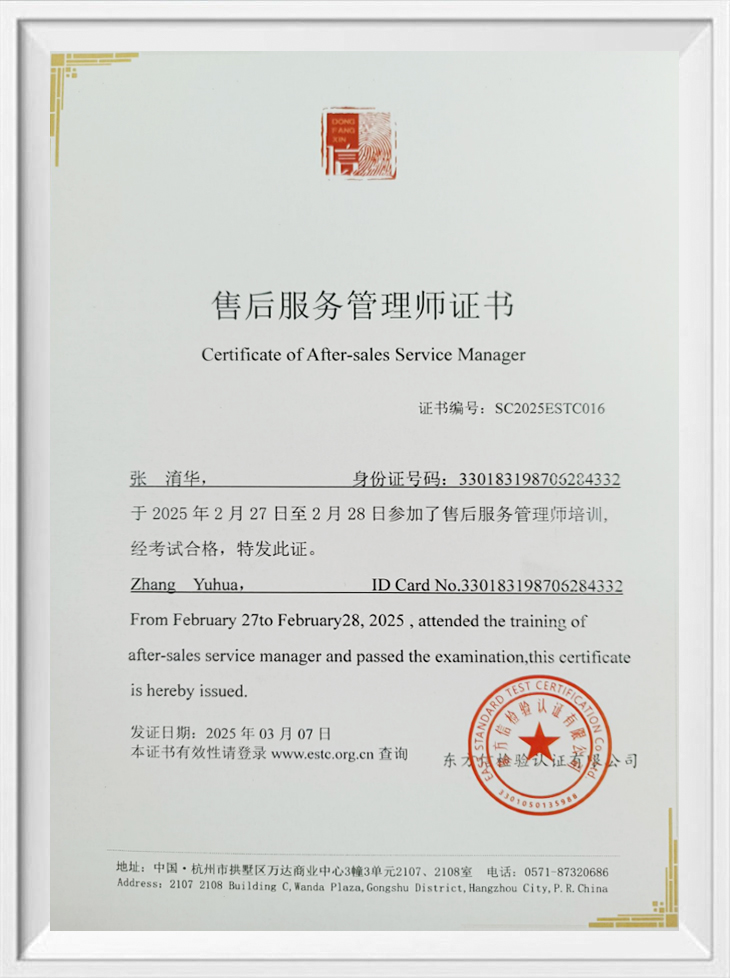
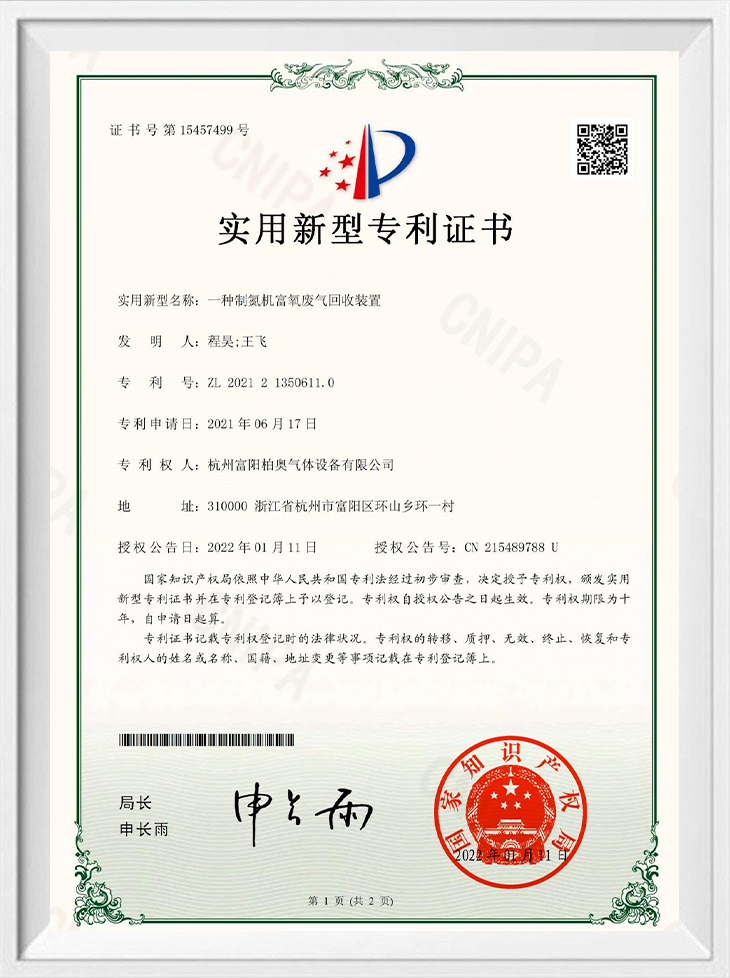
Certificate Of Honor
News & Insights
Stay updated with our latest developments and industry technology trends.
Message Feedback
Industrial Air Compressor Industry knowledge
An industrial air compressor is typically specified around three variables: compression technology, required air quality, and installation type. The sections below outline how these variables relate to the compressor series listed on this page, to help narrow down a model before comparing detailed specifications.
Screw, Piston, or Centrifugal: How Do Compression Technologies Differ?
A rotary screw air compressor uses two meshing helical rotors to compress air continuously, which suits continuous industrial duty at low-to-medium pressure ranges. A piston (reciprocating) air compressor compresses air using a piston moving inside a cylinder — a technology that scales well to higher pressures and intermittent or lower-duty-cycle use. A centrifugal air compressor uses a high-speed rotating impeller to accelerate air and convert that kinetic energy into pressure, generally suited to larger, continuous-flow applications where oil-free air and high volumes are required.
These are three different mechanical approaches to the same task, not tiers of the same product — the right choice depends on duty cycle, pressure, and required air purity rather than on scale alone.
Oil-Injected or Oil-Free: What Air Quality Does Your Process Need?
Oil-injected compressors use oil to lubricate, seal, and cool the compression chamber; the oil is then removed from the compressed air downstream. This design is a cost-effective choice for general workshop and utility compressed air where trace oil carryover is acceptable.
Oil-free compressors are built so no lubricant contacts the air stream during compression, avoiding oil carryover entirely. This is typically required for applications with strict air-quality classifications under ISO 8573-1, such as food and beverage, pharmaceutical, and electronics manufacturing. In practice, deciding between these two categories is usually the first filter applied before comparing individual models.
Fixed Installation or Portable: Matching the Compressor to the Site
Fixed rotary screw compressors are installed in a plant room and connected to a permanent compressed air network, suited to continuous production environments. Portable air compressors, driven by diesel engines or electric motors, are built for mobile or temporary use — construction sites, pipeline maintenance, or field service — where compressed air is needed away from a fixed utility connection.
Why Variable Speed Drive (PM VSD) Models Reduce Energy Consumption
A fixed-speed (FSD) compressor runs its motor at constant speed and unloads excess capacity rather than slowing down, which wastes energy whenever demand falls below full load. A permanent magnet variable speed drive (PM VSD) compressor adjusts motor speed to match real-time air demand, reducing energy consumption during partial-load operation — the normal condition for most compressed air systems, since demand fluctuates through a production cycle rather than staying constant.
This is why several models in this range are offered in both PM VSD and FSD configurations, allowing the drive type to be matched to a site's actual load profile rather than defaulting to one or the other.
Sizing Compressor Capacity for Downstream Equipment
Compressor flow rate and pressure should be sized not only for direct compressed-air tools, but for any downstream gas purification equipment or air separation unit it feeds — undersized compression is a common bottleneck in nitrogen and oxygen generation systems. Where a compressor is being specified as part of a larger gas generation system rather than as a standalone utility, it is worth reviewing compression, purification, and separation together rather than sizing each stage in isolation.
Baiao manufactures oil-injected, oil-free, portable, and centrifugal air compressors within one product range, allowing capacity, air quality class, and installation type to be specified together rather than compared across separate suppliers.
Get In Touch
Follow Us
Quick Links
Product Category
Contact Us
- Tel: +86-15057127179
+86-13588382771 - Email: huang.yifan0215@gmail.com
- Address: Huanshan Township, Fuyang District, Hangzhou City, Zhejiang Province
Copyright © Zhejiang Baiao Gas Equipment Co., Ltd. All Rights Reserved.
Privacy
Wholesale Industrial Air Compressor Manufacturer
China Industrial Air Compressor Supplier
